
Waterfalls in Great Smoky Mountains National Park

Great Smoky Mountains National Park has over 2,000 miles of running water, and its folded topography allows for rocky slopes at every elevation and almost literally around every corner. Water plus sloping rock equals waterfall – and the park has them in abundance.

The majority of the popular waterfalls are on the Tennessee side of the park, and Gatlinburg makes an almost perfect center for visiting these falls.
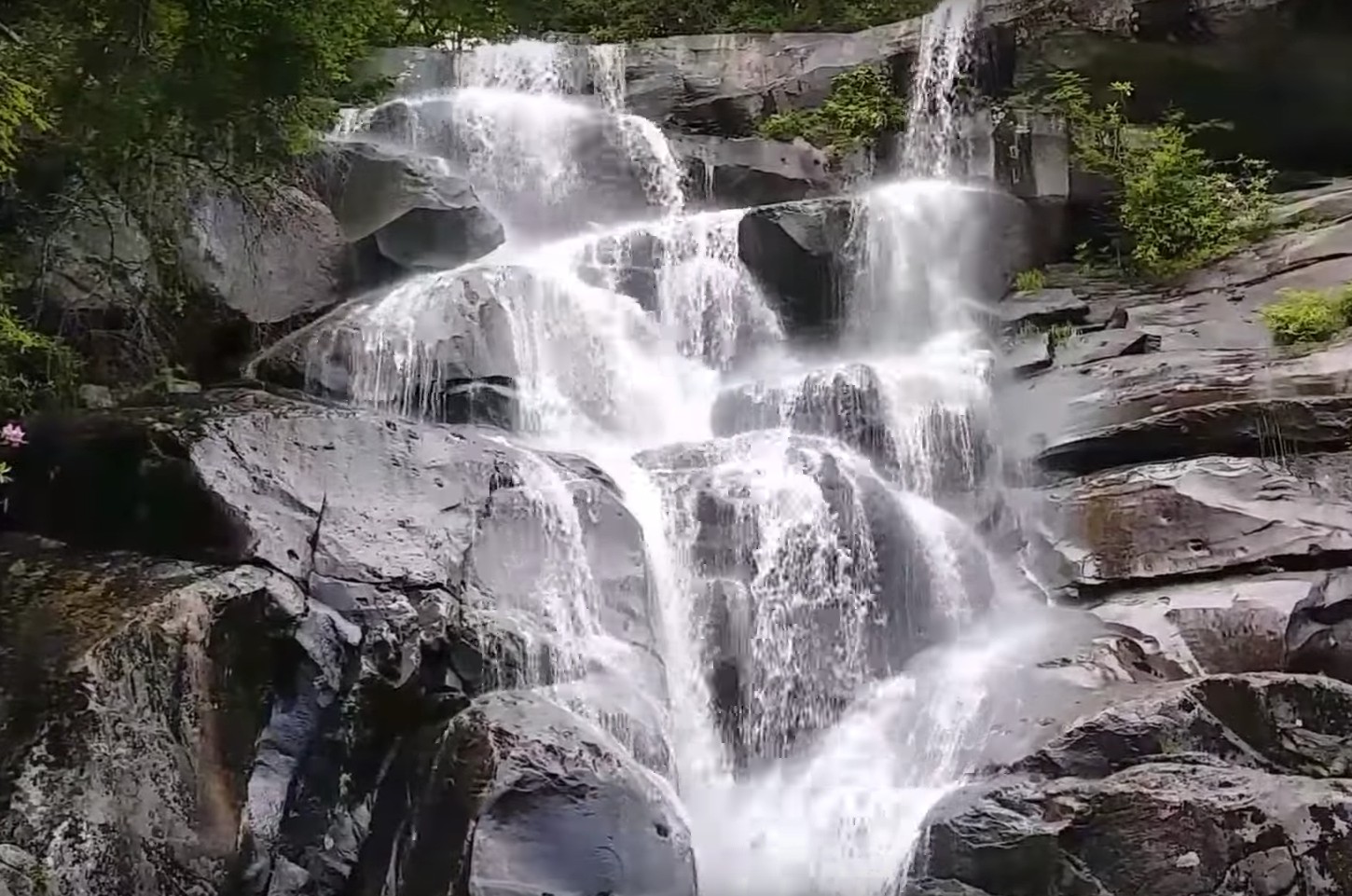
Rainbow Falls in Great Smoky Mountains National Park

Most of the falls take a hike to get to – ranging in difficulty from strenuous through moderate to easy.

There are two waterfalls, however, that you can see and approach easily from the roadside – a great help to the physically challenged or families with small children (and large cameras!). See our articles on Place of a Thousand Drips and also Meigs Falls.

Here are some of the most visited, photographed and remembered waterfalls.

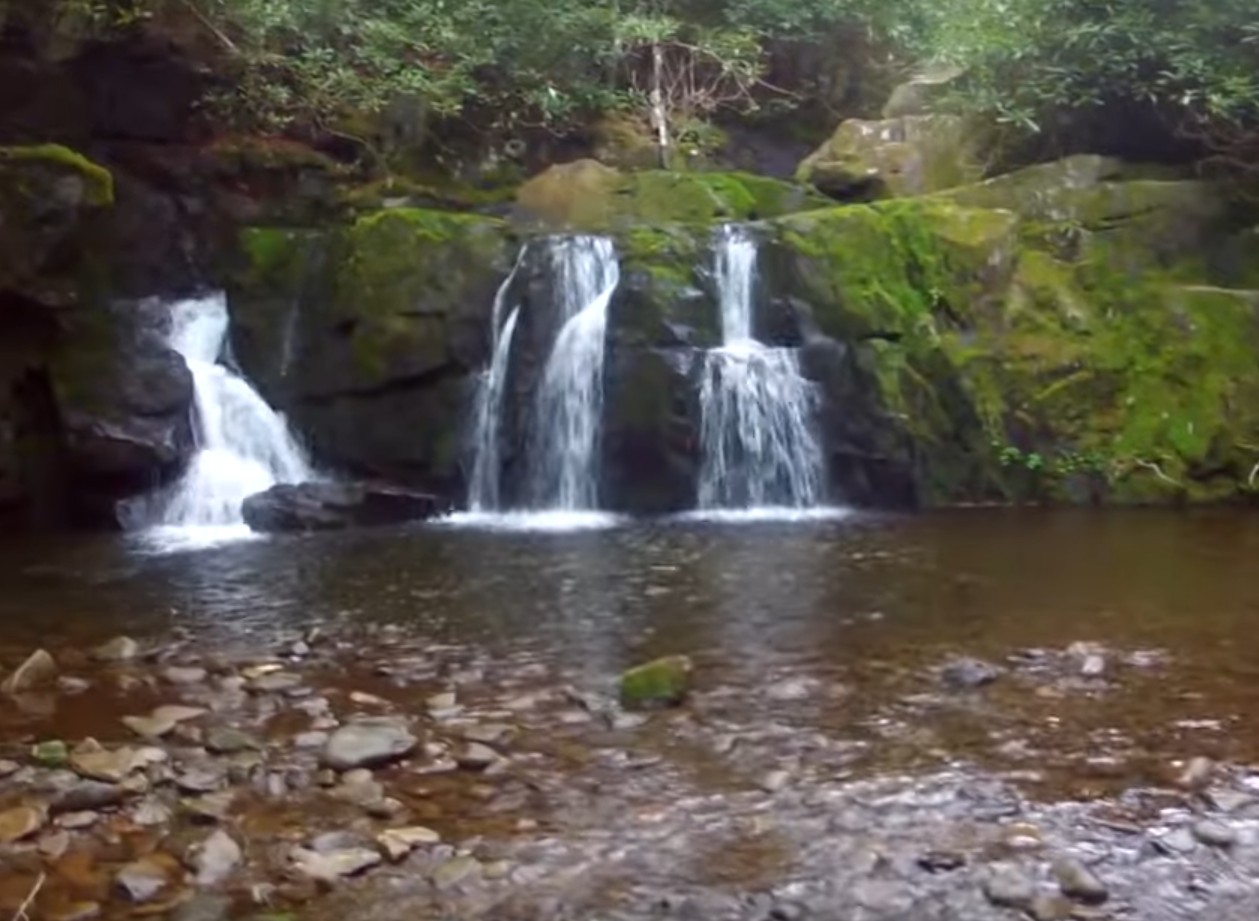
Waterfalls in Great Smoky Mountains National Park.

Abrams Falls
5 Mile Round Trip – Moderate Hike
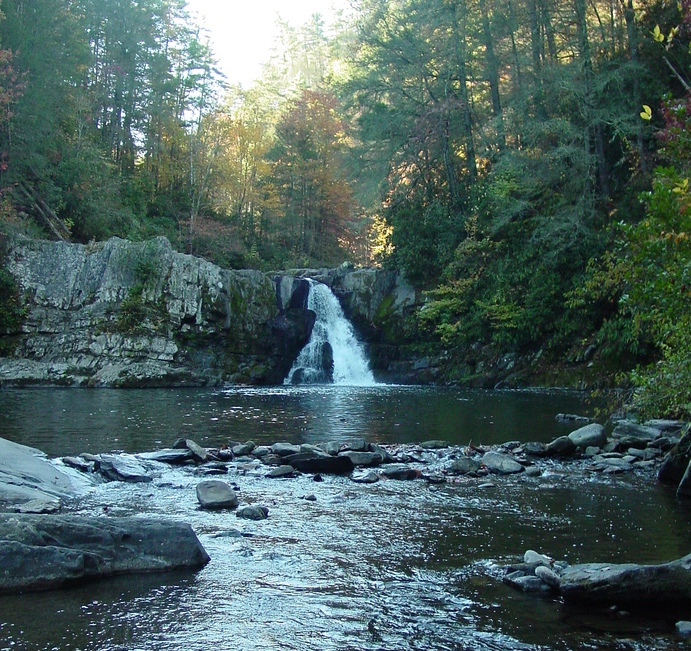
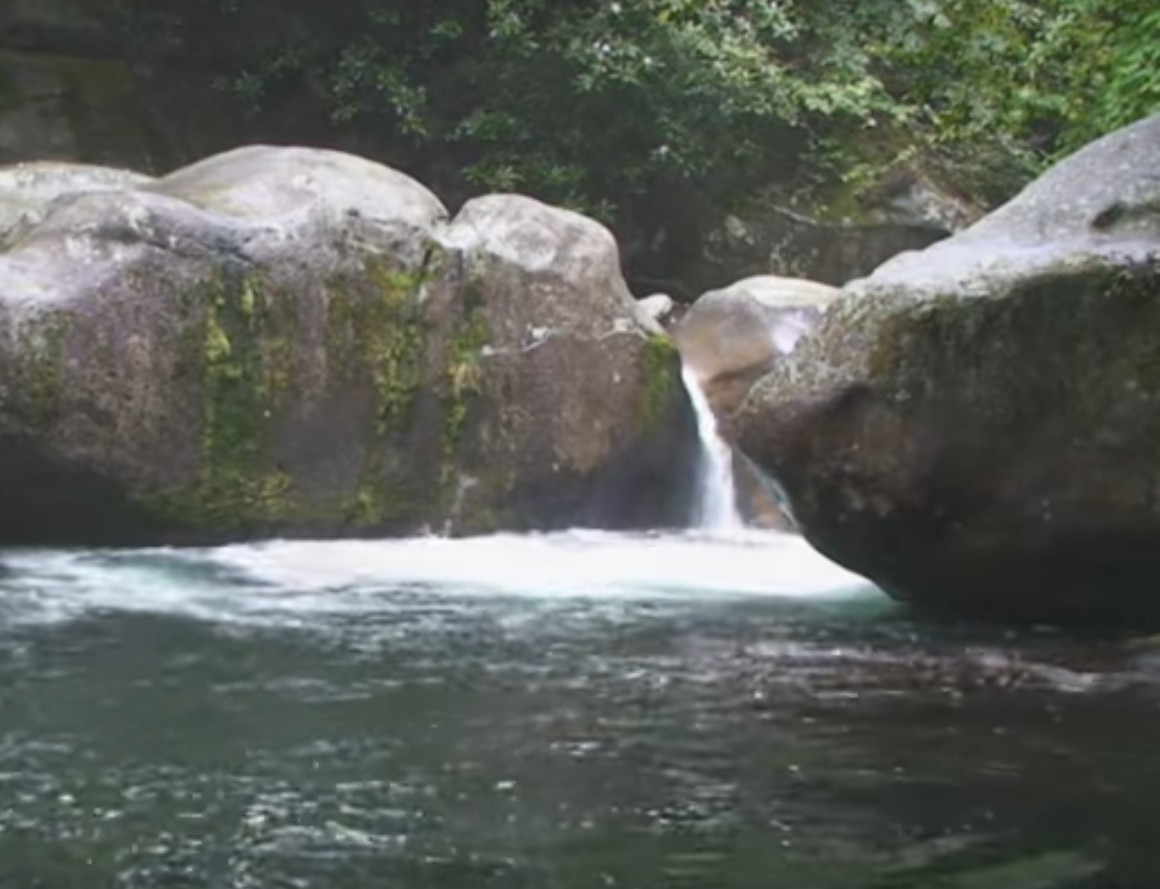
The trail begins in the back of Cades Cove loop road and is a moderate hike. This wide trail climbs two ridges and follows Abrams Creek to Abrams Falls, a 20-foot fall into a large pool perfect for swimming and wading. Abrams Falls has the largest water volume of any park fall, and is among the most photogenic.

Grotto Falls
3 Mile Round Trip – Easy Hike
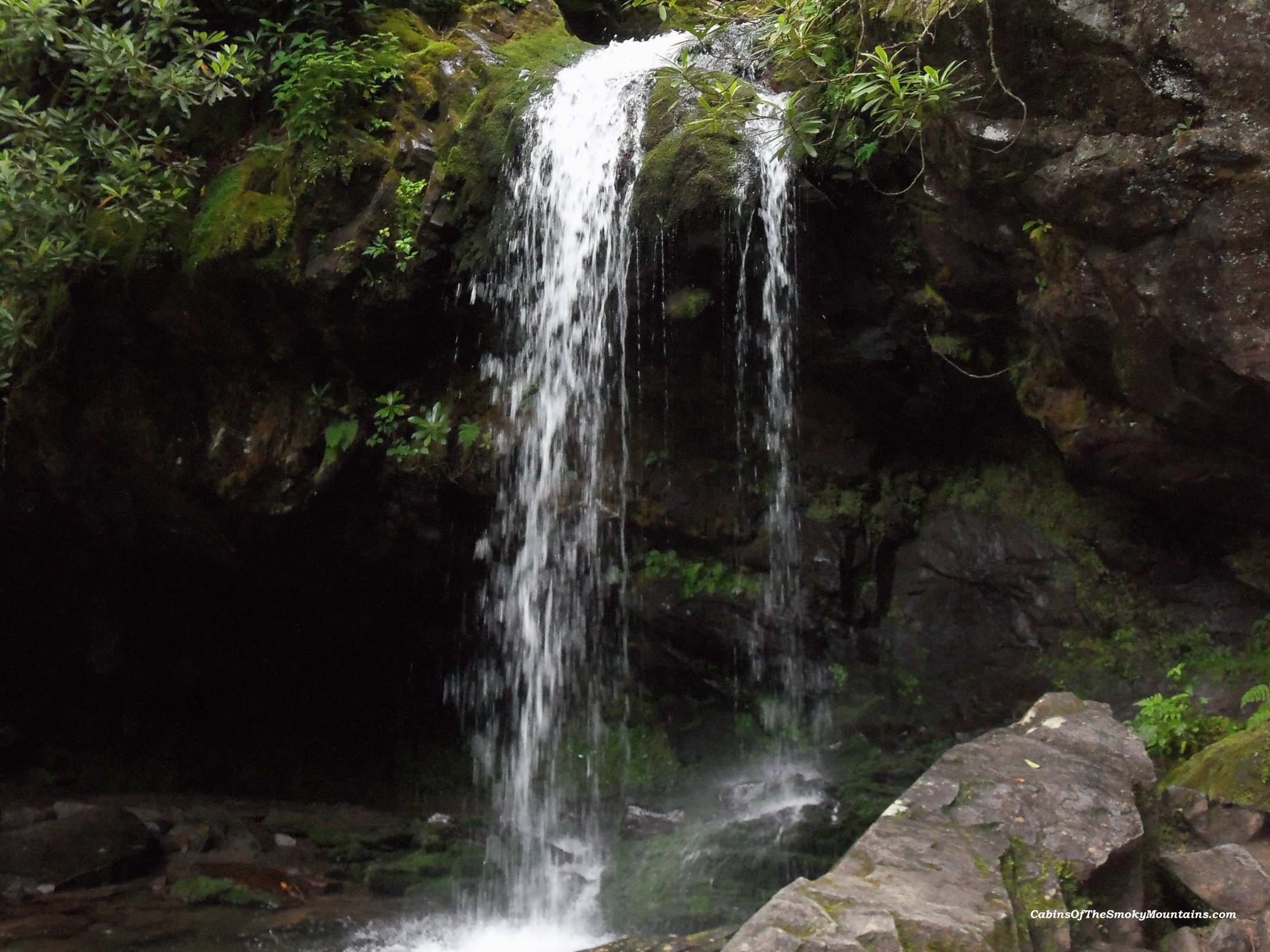
This trail is located off the Roaring Fork Motor Nature Trail, through a hemlock dominated forest. Grotto Falls crosses three small streams and is distinctive as the only waterfall in the park one can walk behind.

Hen Wallow Falls
4 Mile Round Trip – Moderate Hike
Near Cosby Campground, south of Cosby, Tennessee. The main trail leads to the top of the falls and a steep, narrow side trail leads to the bottom. Although it does not carry a high volume of water, Hen Wallow is a beautiful cascade that fans out as it slides down sheer rock for almost 100 feet.

Laurel Falls
2.6 Mile Round Trip – Easy Hike
The easiest waterfall hike on the Tennessee side of the park, which follows a paved trail. The trail cuts through the middle of a series of cascades. Laurel Falls is 60 feet high.

Rainbow Falls
5.5 Mile Round Trip – Moderate to Strenuous Hike
At 80 feet, this is the highest single plunge water takes in the park. This trail makes a good challenge and reveals a beautiful fall.

Spruce Flats Falls
3.8 Mile Round Trip – Moderate Hike
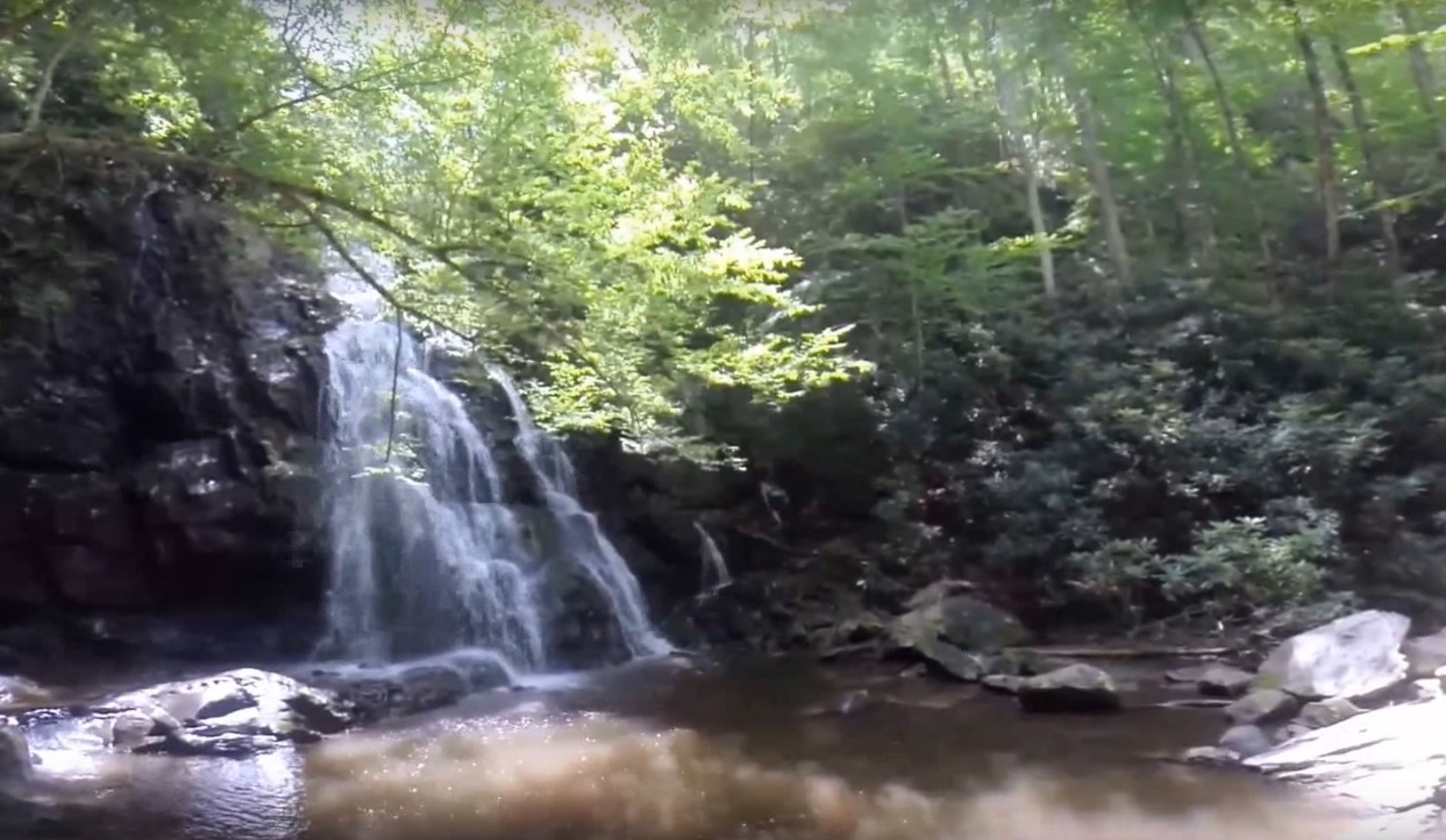
This is a hidden gem of a falls. The trail is not enormously strenuous but it is tricky with a steep fall possible for the careless. The falls is a rewarding, four-tiered waterfall in a picturesque setting.

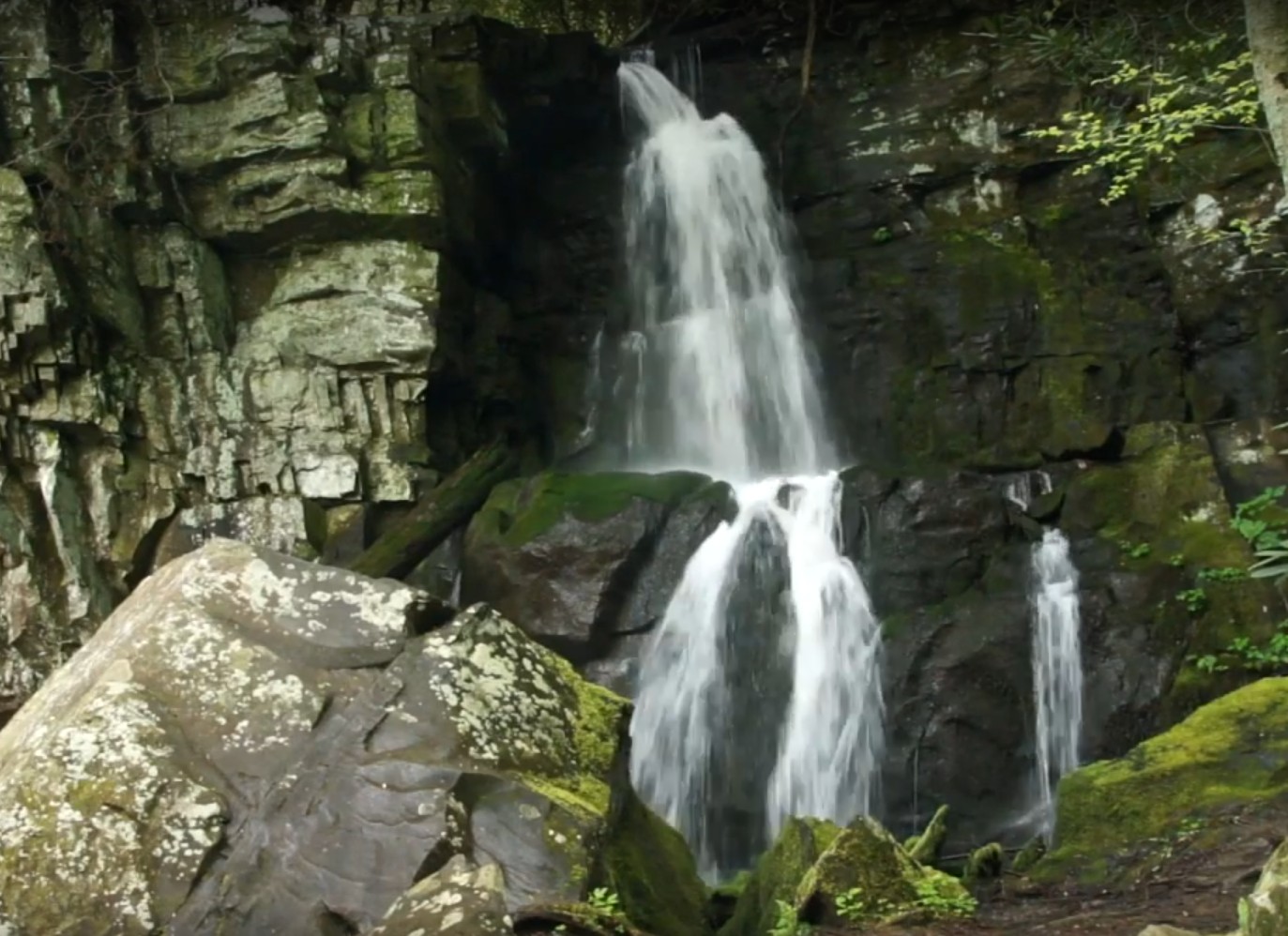
Baskins Creek Falls
3.0 Mile Round Trip – Moderate
Another less well known (therefore less crowded), two-tiered, 40-Foot waterfall. The trail in goes downhill, which means the harder work is coming back – so be prepared for that extra exertion. Worth the visit.

Fern Branch Falls
8.0 Mile Round Trip – Moderate
Porters Creek Trail leads to this falls along a creek and through some very scenic settings deep and quiet in the forest. Very peaceful. The falls are a beautiful, 50-foot waterfall – bring a camera, and maybe lunch.

Cataract Falls
1 Mile Round Trip – Super Easy, great for families
This short trail is located just behind Sugarlands Visitor Center, so it’s close to amenities and good for younger children. It’s a 25-foot waterfall, very pretty. The trail connects to a nature trail if the family wants to explore further after the falls.

Ramsey Cascades
7.5 Mile Round Trip — Strenuous Hike
The trail head begins in the Greenbrier Area. The trail passes through an old growth deciduous forest before reaching the 100 foot high Ramsey Cascades, the park’s tallest waterfall.

And on the North Carolina Side:

Mouse Creek Falls
4.2 Mile Round Trip – Easy Hike
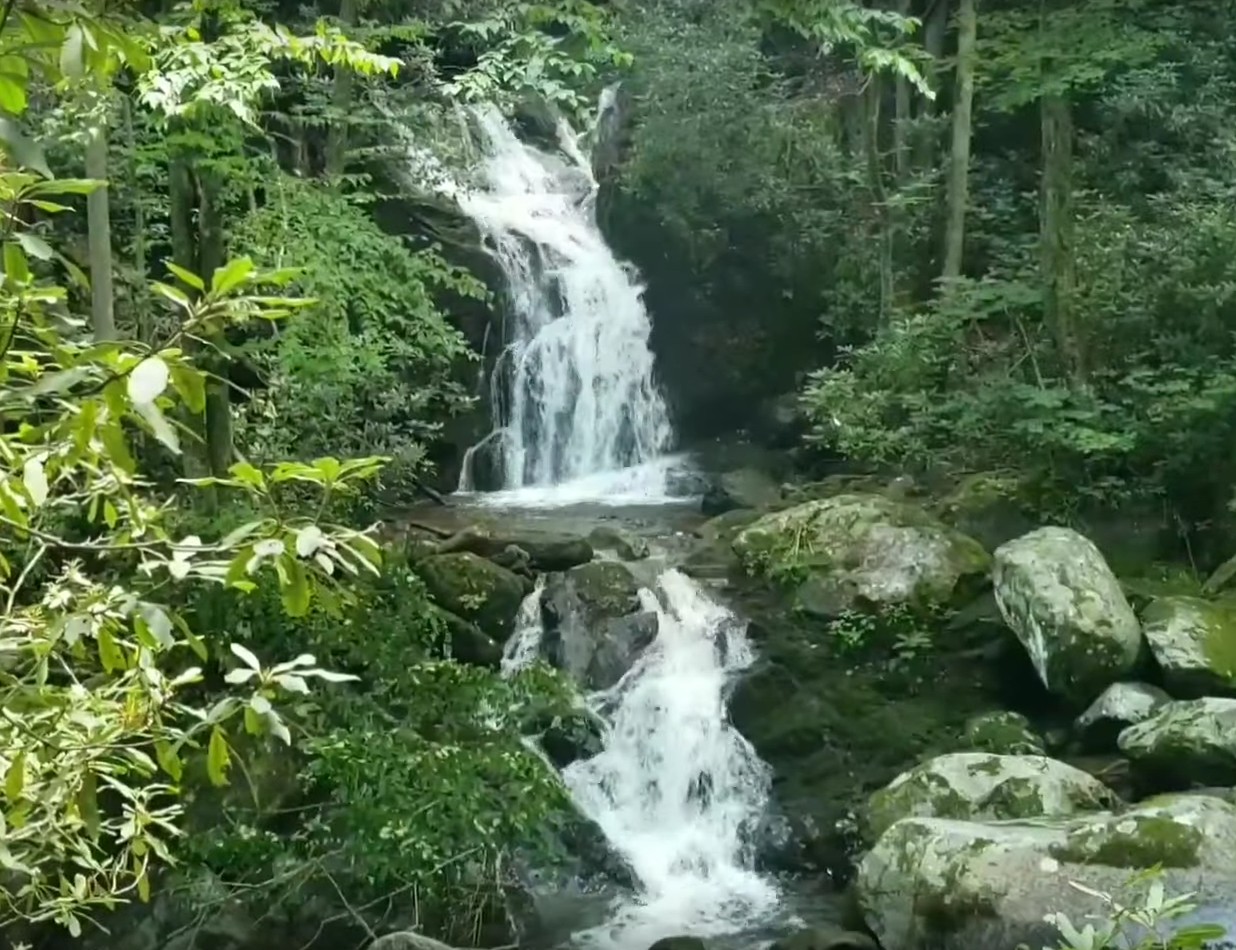
This one also has a nice swimming hole about 1.5 miles along the trail, but the falls are worth the extra jaunt – 45 feet of gentle waterfall, and very pretty, quite tranquil if you can find a good time. Easy trail, good for most anyone. Just over the border, an easy drive from the Tennessee side.

Indian Creek Falls
2 Mile Round Trip — Easy Hike
Start the hike out of the Deep Creek Area. This flat trail leads to picturesque Indian Creek Falls, which cascades 60 feet down a series of ledges into a wide pool.

Juneywhank Falls
1.5 Mile Round Trip — Moderate Hike
The trail is located about one-fourth mile beyond the Deep Creek campground Amphitheater. The trail leads uphill through pine-oak forest to a lovely cascade.

Chasteen Creek Falls
4 Mile Round Trip — Moderate Hike
Hike out of the Smokemont Campground. A small, but graceful falls, this area makes a good moderate hike.

~~

For more trails, with and without waterfalls, see our Hiking in the Smokies guide for a Great Smoky Mountains National Park map that shows all the trails, with our listing of some of the best Smoky Mountains hiking trails. It’s all free to explore. And also see our guides to Gatlinburg Hiking Trails, and more outdoor ideas in our Smoky Mountains Activities guide.

Also check out our Things to Do in the Smoky Mountains guide as well, and Things to Do in Gatlinburg With Kids. We have cabins all over the area, so you can plan your stay in our Wears Valley cabins, our Pigeon Forge rental cabins or our Gatlinburg cabins – and if you want to bring the family pet along, check our latest list of pet friendly cabins in Gatlinburg and Pigeon Forge.
The Quiet Walkways of Great Smoky Mountains National Park

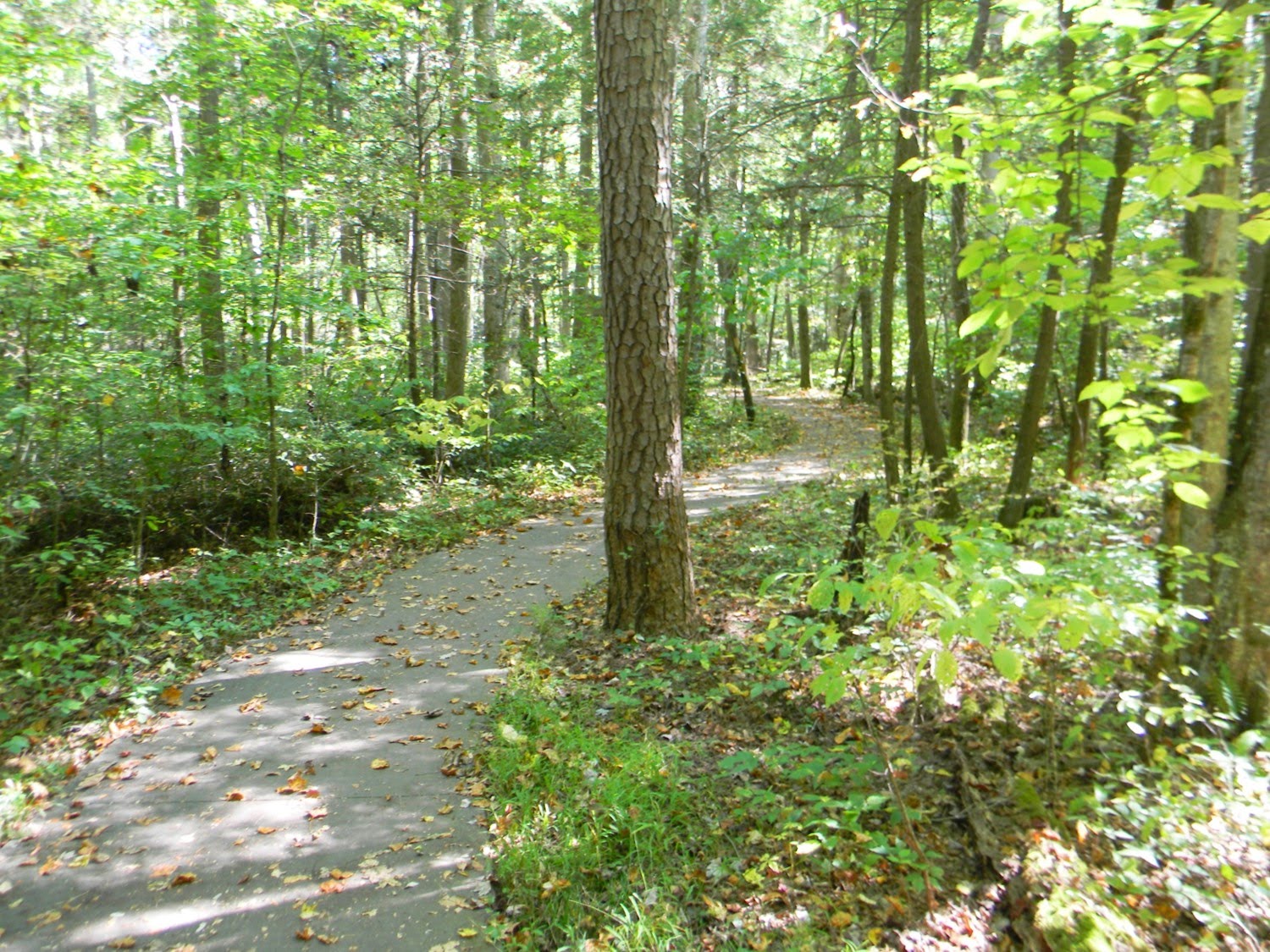
The Quiet Walkways of Great Smoky Mountains National Park are short and relatively easy trails that lead directly from the road and plunge quickly into selected areas of natural beauty. They offer a peaceful and rewarding experience, and some of them are easy enough for any non-hiker to take a walk in the woods.

There are around 14 of these special trails in the park, and each one is unique. They’re scattered throughout the park, but several of them can be found along Highway 441 and Little River Road. The Quiet Walkways are a great way to see some of the distinctive beauty of Great Smoky Mountains National Park up close, whether or not you’re an experienced hiker.

You don’t need a backpack or hiking boots to explore these hidden gems (although sturdy footwear is always a good idea), but what you do need is to spot the signs.

The Quiet Walkway

Image by J. Stephen Conn ©

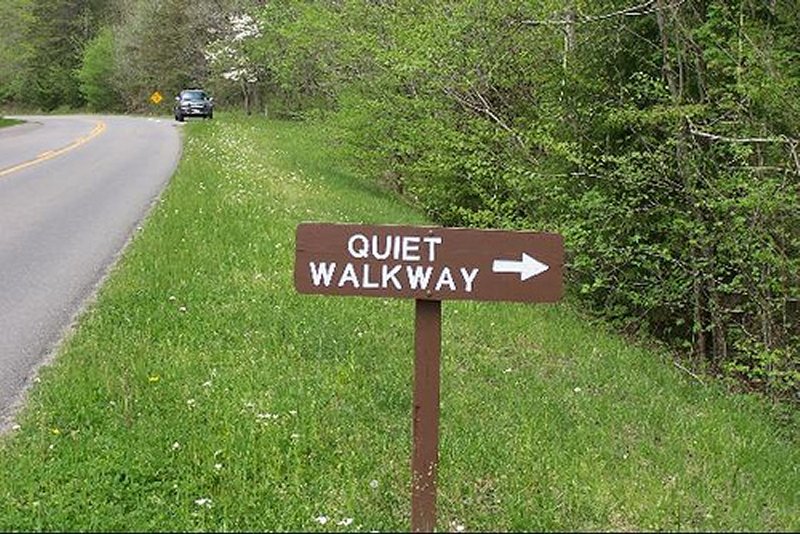
These trails are marked by inconspicuous signposts labeled “Quiet Walkway” that direct you to turn off the main road at various spots. They’re easy to miss., and many people drive right by. Typically you’ll find a small parking area big enough for one or two cars to pull off the road. This is your trailhead. From here, you quickly immerse into a deep and quiet part of the park, often quite alone.

Most of the Quiet Walkways are approximately 1/4-mile to 1/2 mile in length, and they are designed to be easy enough for anyone who can walk on a trail. They serve equally well as a way to stretch your legs and take a break from driving, and as a destination in their own right.

If you’re looking for a peaceful day trip from your Smoky Mountains cabin, consider taking a drive that includes checking out one or more of the Quiet Walkways. They are perhaps the most charming and gentle way to get a taste for hiking the park, and may easily lead to trying some longer trails over time.

The Quiet Walkways of Great Smoky Mountains National Park are the unsung heroes for those who are looking for a more accessible trail experience, and they prove that humble doesn’t have to mean boring. Here are some Quiet Walkways to get you started, but there are several more worth exploring.

Quiet Walkways between Sugarlands Visitor Center and Cades Cove

On several of the roads that wind between Sugarlands Visitor Center and Cades Cove on the Tennessee side of the park, you’ll find serene Quiet Walkways that you can explore at your leisure. Most of the walkways in this region are located off of either Little River Road or Laurel Creek Road, although there are a couple of others in various spots.

Hickory Flats Quiet Walkway

The area between the Sugarlands Visitor Center and Cades Cove on the western end of the park is where you will find several of the quiet walkways. As you drive west from Sugarlands on Fighting Creek Gap Road, the second walkway you come upon will be the Hickory Flats Quiet Walkway. This path takes you near a small creek known as Hickory Flats Branch, which is one of the main routes for water to drain down off of Cove Mountain. It also crosses over Whistlepig Branch as well. The trail is listed as being 0.3 miles one-way in length, and it is over non-strenuous terrain.

Laurel Branch Quiet Walkway

Afterwards, if you drive a little further west on Fighting Creek Gap Road you will see the Laurel Falls Quiet Walkway. This 0.3-mile loop will allow you to see some of the terrain around the Laurel Falls area without having to hike the more strenuous and time-consuming Laurel Falls Trail. Both of these quiet walkways are easy drives from the town of Gatlinburg or the Sugarlands Visitor Center.

Quiet Walkways off U.S. Highway 441

This highway cuts all the way through the middle of the Great Smoky Mountains National Park, and you can stop at several of the Quiet Walkways on it even if you’re just driving through. You can find four of them on the Tennessee side of the highway, between the Sugarlands Visitor Center and Newfound Gap, which is near the Tennessee – North Carolina border. An additional five are accessible between there and the Oconaluftee Visitor Center, on the way down to Cherokee, NC.

Balsam Point Quiet Walkway

Heading south from the Sugarlands Visitor Center on US Highway 441, towards the North Carolina border, you will discover several more quiet walkways. One is the Balsam Point Quiet Walkway, which is just a bit north of the popular Chimney Tops overlook. This path has an ample number of lined parking spaces, and it provides several close views of Steep Branch creek and the West Prong of the Little Pigeon River. This path is also approximately a 0.3-mile loop, and it features a clearing with a log bench where you can relax and enjoy the scenery.

Thunderhead Prong Quiet Walkway

If you’re heading out west and you’re up for a longer walk, this walkway is a great option. It is located in the Tremont area, and it provides some beautiful river scenery. This walkway is 1.4 miles each way (2.8 mi. round trip), but it is suitable for all skill levels. It’s a longer trail, but it offers a good example of the flora of the national park’s backcountry without having to travel there. You can find the trail by going past the Institute on Tremont Road, up the 3-mile gravel road known as Upper Tremont Road, parking at the Middle Prong Trail trailhead, and starting on that trail. Very soon, the trail splits to open on the right to the Thunderhead Prong Quiet Walkway.

TIP: Also see our Insider’s Visual Guide to the National Park – and with an abundance of different cabins close to the park to choose from, check out our tips on How to Find an Affordable Gatlinburg Cabin, How to Find a Gatlinburg Cabin With Spectacular Views and How to Find a Secluded Gatlinburg Cabin.

Easy Walks in the Smoky Mountains: Get Outside Without Breaking a Sweat

When you visit the Smoky Mountains, there are numerous things to see and do, with numerous outdoor activities, including scenic trails to hike. But not everyone is super fit or experienced in the outdoors. Here are some easy walks you can take that will fit your schedule and your abilities, and also get you in nature and the beauty of the Smoky Mountains,

The following trails are designed for all ages and walking levels to take advantage of. They’re especially useful to know about for families, small kids, disabled or frail people – or those who just want to be lazy on their vacation time, and prefer just to stroll easily through their stay here.

Sugarlands Valley Nature Trail

Sugarlands Valley Nature Trail – source unknown.

Sugarlands Valley Nature Trail

This is an all-access trail – which means it’s even wheelchair accessible – and it’s the only one with this designation in all of Great Smoky Mountains National Park. It’s a paved and practically flat loop trail, only about a half-mile long but packed with rewarding things to see. Tall trees, water holes for wading, trout fishing, remnants of old homesteads from the 1920s, an abundance of plants and flowers, and wildlife, including bears, deer, and wild turkeys. The trailhead is just under half a mile south on Hwy 441 past Sugarlands Visitor Center, the gateway to the national park just outside Gatlinburg.

Gatlinburg Trail

You can walk to the Sugarlands Visitor Center from Gatlinburg if you want, along Gatlinburg Trail, a nice and easy walking experience running alongside and into Great Smoky Mountains National Park. The surface varies from paved to packed, but it’s easy and it allows dogs – on a leash and under certain rules. The trail meanders alongside the river offering a scenic and quiet respite for unwinding. A bridge crosses the river – great place to take pictures – then continues on past a cemetery and a nostalgia-inducing homestead. The 1.9-mile trail can be accessed either from the Sugarlands Visitor Center end or the River Road end just off Parkway in Gatlinburg. The whole family can walk this trail, and it’s one of only two national park trails that allow dogs. See our Pet Friendly Hiking Trails guide for more.

Fighting Creek Nature Trail

This trail starts formally at Sugarlands Visitor Center. It’s 1.1 miles each way – you go and come back. The surface is packed dirt and almost flat, but there’s a hiking feel with occasional tree roots to watch out for. It’s a comfortable and family-friendly walk through the forest, with a famous old cabin to explore along the way. For being so close to civilization, the trail also offers glimpses of lots of wildlife – including bears, so study up on how to stay away from these wild creatures (see our Black Bears & Wildlife guide).

The Fighting Creek trail has a branching trail offering a side-trip to Cataract Falls, a waterfall that all the family can enjoy because of its short, half-mile trail leading up to it. This trail is mostly flat, and rates as an Easy walk for almost any age. Read more in our guide to Cataract Falls – Super Easy Waterfall & Super Fun.

Elkmont Nature Trail

A few miles west from Sugarlands, along Fighting Creek Gap Road, is the famous Elkmont area. One way to plunge into this deeply historical ecosystem – which is also host to the annual synchronous fireflies phenomenon – is to walk the Elkmont Nature Trail, a family-friendly, 1.1 mile loop trail. You should encounter minimal foot traffic while enjoying the cool greenery of Elkmont Nature Trail as it winds its way through the forest. Dotted along the way are seasonal wild flowers and many things to see. From the trailhead, purchase the brochure (for 50 cents and the honor system, as with many trails in the park) that explains each of the 13 interpretive markers displayed around the loop. Also note that close by is the Little River Trail, one of the easiest and most pleasant trails, wide and flat.

Public Parks

There are some excellent public parks in the area. Herbert Holt Park is located near downtown Gatlinburg. It has everything needed for a day adventure that can include fishing from the pier, smoking on the grill, enjoying a picnic lunch by the creek, horseshoes, and a kid’s playground. The park also has walking trails for leisurely strolls.

Two other public parks, Mills Park and Mynatt Park, have picnic tables, grills, play area, tennis, and horseshoes. Mynatt Park also has a 9-hole Disc Golf course. Pigeon Forge has Patriot Park, a beautiful area by some quiet shopping and dining attractions, and with a nice walk along the river – also reachable by trolley. See our guide to Public Parks in Gatlinburg & Pigeon Forge.

Other Easy Options

There are numerous other easy ways to get outside, not just in the park but in the surrounding area – make sure to see our guide to Easy Outdoor Adventures: Fun Places for Everyone, which also contains attractions and rides in the mountains. And there are many scenic drives, some of which also lead to great hikes, picnic areas and waterfalls. See our guide to Scenic Drives and be sure that you know about the unique drive from Gatlinburg along the Roaring Fork Motor Nature Trail.

And don’t neglect the many Quiet Walkways that the national park has provided as a way to stretch your legs in an easy stroll that also leads you into quiet forest. They have simple signposts that most people drive past. One way to take a scenic drive and visit some quiet walkways is to drive along Little River Road from Sugarlands to Cades Cove or Townsend – a gorgeous drive with numerous features along the way.

Also note that while Gatlinburg and Pigeon Forge are the heart of the visitor experience, the Townsend area to the west, and the Cosby campground area to the east are both more quiet, if you’re averse to crowds. For lots of ideas, see our Outdoor Activities guide and also our definitive guide to Great Smoky Mountains National Park.

While the beauty of the trails will create memories of a lifetime, remember to be safe. Bring along sufficient water, watch out for slippery rocks around waterfalls and river banks, be aware of steep drop-offs, don’t let kids wander, and observe wildlife from a distance. Always watch where you’re stepping, and bring a camera for everything you’ll see.

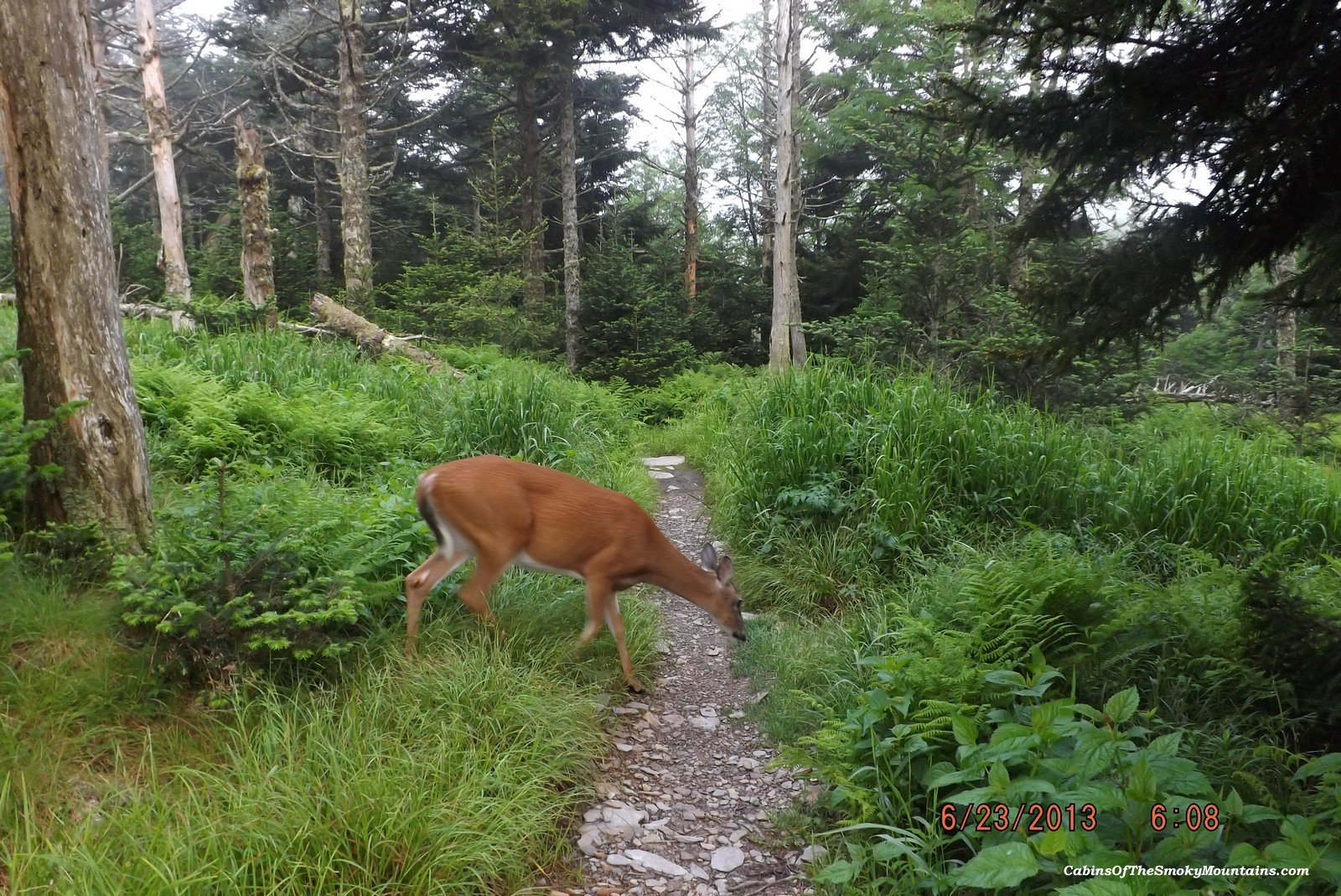
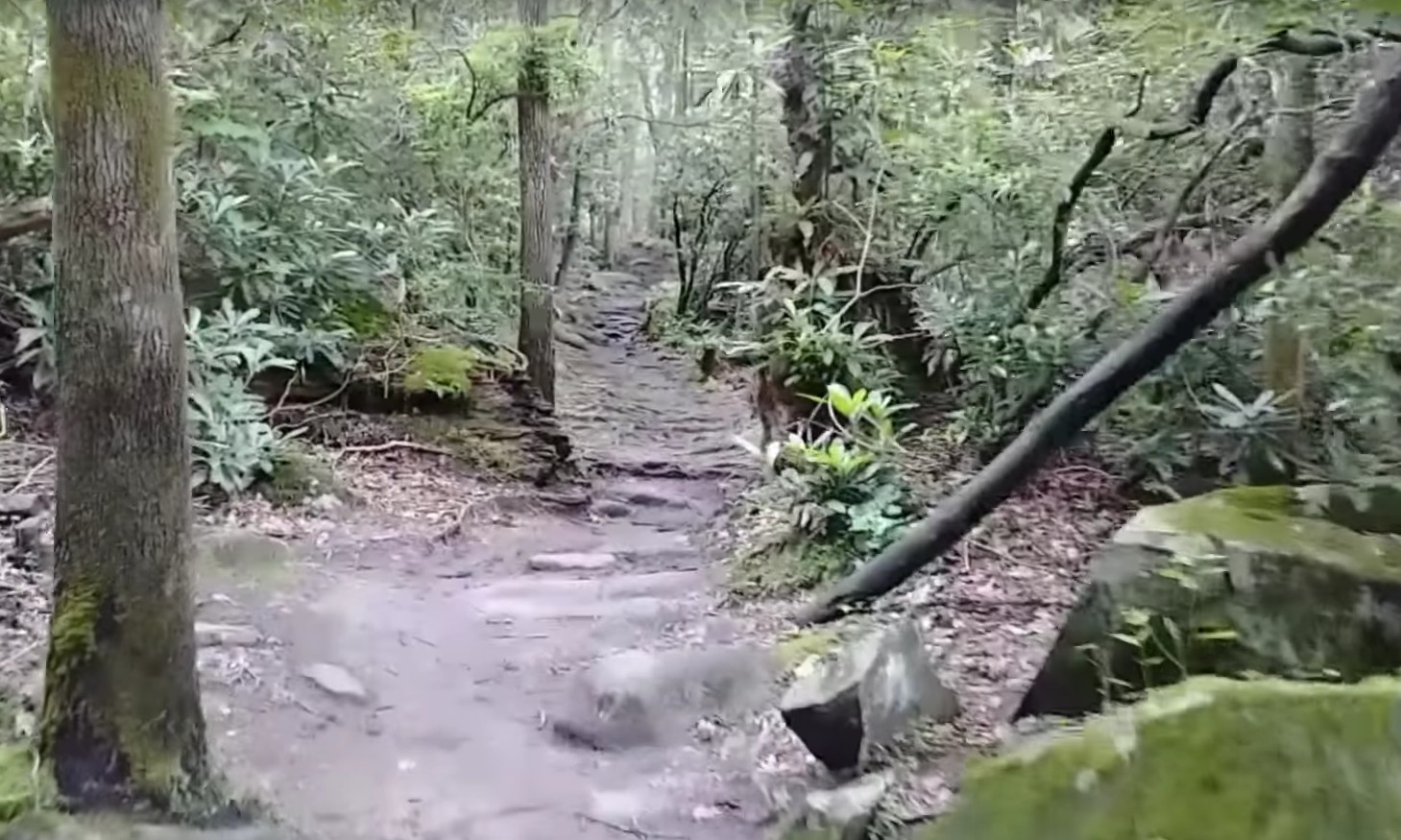
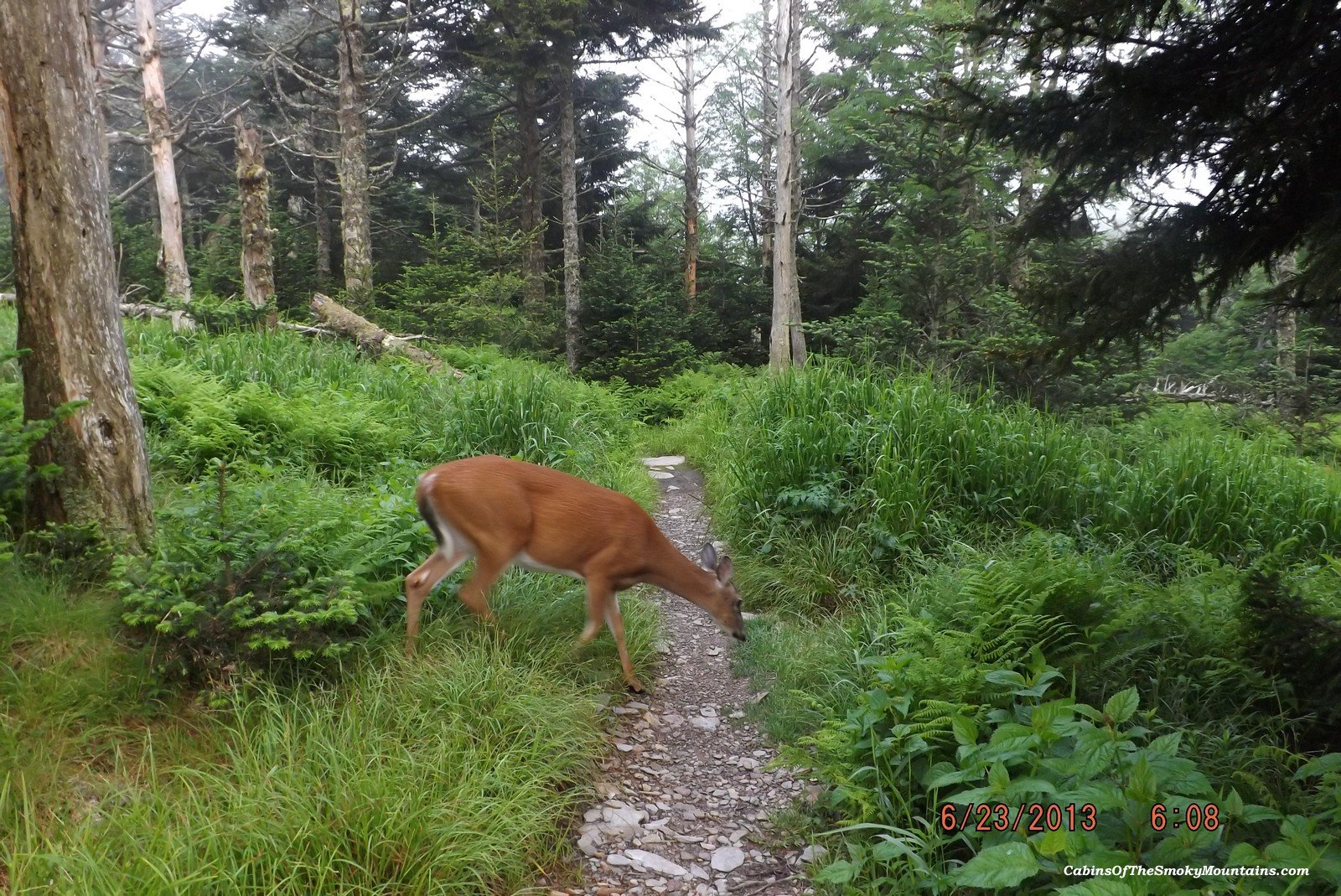
Deer crossing hiking trail heading up to Mt. LeConte

TIP: For more outdoor adventures in the Smokies, check out our Gatlinburg Hiking Trails, and our Smoky Mountains map page. And besides hiking, there are many fun outdoor things to do, which you can find in our Smoky Mountains Activities guide.

And wherever you target your activities in the park and the area, you can make it close to your cabin. We have rental cabins all over the area, including Wears Valley cabins, as well as our Gatlinburg cabins and our Pigeon Forge cabin rental.


Save

Spring Wildflowers in Great Smoky Mountains National Park

Great Smoky Mountains National Park is a designated world biosphere with a rich diversity of plant and wildlife. One of its more spectacular displays is the amazing profusion of wildflowers that bloom each year in the springtime, predominating in April.

The national park contains more than 1,500 flowering plants in its half-million acres, and more than 800 of those species are wildflowers. Commonly seen everywhere during wildflower season are trillium, bloodroot, violets and many more, including very rare flowers such as White Irisette and Gentian. The park is sanctuary for many endangered species, including some of the wildflowers.

The Understory

Why are there so many wildflowers in the national park? Half of the answer is sunlight. There are more than 100 species of tree in the park, and much of the time the forest floor is covered with dense shade from the tree canopy. For a brief time each year, the warming begins and the sunshine reaches the forest floor – the “understory”.

During this window of opportunity, millions of wildflowers seize their moment to bloom in the rich soil and abundant moisture of the forest floor. Eventually the trees will leaf out sufficiently to block this bright sunlight – except in the higher elevations where in June the Flame Azalea flourishes with its stunningly bright red and orange blooms.

But from late March, when the early Daffodils appear in Cades Cove, through the vast fields of flowers everywhere in April, and into the closing of the tree canopy in mid-May, we humans get an eyeful of color. In the end the trees win – but oh, the points scored by the petals during this competition of plant life!

With so much old-growth forest in the park, it’s easy to take for granted how fecund the soil is. But the wildfires of 2016 showed us an amazing natural recovery by foliage in the years following this tragedy, helped in part by the mycelium – actually the Mycorrhizae. The abundant rains of the Smoky Mountains healed many wounds.

Wildflower Watching

Over 800 miles of hiking trail in the national park offer plenty of ways to gaze at the wildflowers in season. Many of the trails are easy, and it’s useful to know about the Quiet Walkways of the national park, and the Nature Trails – as well as the Easy Walks in the Smoky Mountains and the Easy Outdoor Adventures throughout the area.

And people come from all over, and sign up sometimes a year in advance, to join the annual Spring Wildflower Pilgrimage, a series of tours, classes, photo guidance, motorcades and more, all conducted by experts in the local terrain and its hidden gems.

Chimneys Picnic Area in Great Smoky Mountains National Park

Chimneys Picnic Area is a popular section of Great Smoky Mountains National Park that features picnic tables and grills for visitors to utilize. It is located on U.S. Highway 441 between Gatlinburg, TN and Cherokee, NC, easily accessible from both sides of the park. The area has 68 picnic sites, some of which are situated directly on the riverside, and features many shady and cool spots that are ideal to relax in.

Lunch by the river

One of the reasons Chimneys Picnic Area is so popular with visitors is that many of the picnic sites go right up to the banks of the Little Pigeon River. The sites are level and with raised grills, and some of the parking is right next to a site. The area is a sheltered and leafy spot, with huge boulders in the water for clambering on or dipping your feet. On a warm day you might even want to take a dip in the river after you finish having lunch.

Lunch by the river at Chimneys Picnic Area in Great Smoky Mountains National Park

If you’ve been out since early morning for an extended hike in the park, Chimneys Picnic Area makes a great spot to stop for sustenance. It’s located just a short drive away from several of the longer trailheads in the area, including Chimney Tops Trail and Alum Cave Bluffs Trail.

Many people aren’t able to take long hikes, and for them this picnic spot makes an excellent destination to get into nature. Even better, take advantage of the Cove Hardwood Nature Trail just off the beginning of the Chimneys Picnic Area loop. Most people can complete this 0.8-mile walking trail in less than 30 min, so your whole group can stretch its legs after lunch.

Part of a full day of fun in the park

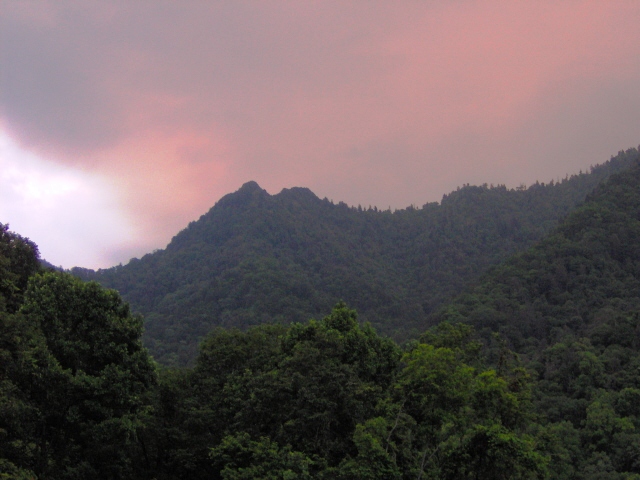
The central location of Chimneys Picnic Area makes it a convenient place to recharge if you are driving the entirety of U.S. 441 through the park. It’s near such attractions as Chimney Tops Overlook, which provides some of the most majestic views of the mountains in the park.

Tips for safe picnicking in the Great Smoky Mountains

Chimneys Picnic Area is a favorite resource for many park visitors, well chosen by park rangers for its features. But to enjoy it safely and responsibly, here are some guidelines to follow:

  • Park only in the designated spaces and do not drive off-road.
  • Dispose of all food and trash properly in the bear-proof bins – this is an active black bear habitat.
  • Clean your picnic area thoroughly when you are finished, including the grill.
  • Use caution when walking on the river rocks, because they can be slippery.
  • Always be cautious around flowing water in the park. It can surge unexpectedly after rains.

Planning your visit to Chimneys Picnic Area

Chimneys Picnic Area is open seasonally, and it is usually available from mid-March through November, although exact opening and closing dates vary form year to year. From May 1 through august 31 Chimneys Picnic Area closes at 8:00 PM every night; every other night during open season the area closes at sunset. There is no pavilion located in Chimneys Picnic Area, but the 68 picnic sites are located on level pads right next to the parking spot, making it accessible for most wheelchairs, walkers, etc. Each of the sites has a picnic table and charcoal grill. There is also a public restroom on site.

Chimneys Picnic Area is located on U.S. Highway 441, approximately 5 miles south of the Sugarlands Visitor Center. If you are coming from the north, simply head south of U.S. 441 until you reach a turn-off on the right for Chimneys Picnic Area Rd., then follow that loop road around to the picnic sites.

For a complete list of picnic sites in the park check out their page: Picnicking in Great Smoky Mountains National Park. And here’s our page where you can find a Smoky Mountains map to get oriented in the park.

And if you’re wondering about accommodations in the area, the best way to be peacefully surrounded by nature with a roof over your head is to stay in a cabin. Call us at 855 91 SMOKY anytime to explore our Pigeon Forge Cabin Rentals as well as our Gatlinburg Cabins and our Wears Valley cabins.

River in Great Smoky National Park

Little River Trail – An Easy and Fun Walk

Little River Trail is perfect for people with no hiking experience. We recommend it for families, and it’s a great trail for all ages, although not suitable for baby strollers or wheelchairs. There’s no need for hiking boots or any other special gear beyond a small backpack, some water bottles, and maybe some snacks. Wearing sneakers and shorts is fine.

Many people walk as far as the place where the Little River Trail crosses the Cucumber Gap Trail, and then they turn back and return, for a walk that is just under five miles round-trip. For this leg of the trail, there is a gradual elevation gain on the way out, and a relaxing down-slope on the return journey. The path is wide enough for people to walk side-by-side, and it has easy footing; the well-maintained trail was an old gravel railroad bed and road used for logging in the early 1900s.

Image courtesy of The Peaceful Side of the Smoky Mountains

Image courtesy of The Peaceful Side of the Smoky Mountains

If you are feeling more ambitious, you can continue the walk instead of turning back. There are many connecting trails to choose from. You could also go out on the Little River Trail and return on the Cucumber Gap Trail for a more challenging loop walk that is longer and harder than going both ways on the Little River Trail alone.

Although the trail is easy, walkers are richly rewarded with beautiful sights, sounds, and aromas. Throughout this leg, the trail runs alongside or near a pretty cascading stream where water rushes over large boulders. You will pass several small waterfalls. At 2.2 miles in, shortly before the turnaround point, you will cross a small footbridge that goes over Huskey Branch Falls, a 20-foot waterfall. There are also plenty of places along the river where you can stop and fish or dip your feet into the rushing water. You might even spot a river otter!

The trail offers different special treats for its visitors in different seasons. Mid-March through April is the Park’s famous wildflower season. You’ll see a host of wildflowers and maybe some butterflies as you walk along the trail. In the early summer, you may be lucky enough to see the renowned synchronous fireflies, where male fireflies flashing in unison create an unusual light show. The foliage along the path in spring and summer is a lush green that erupts into spectacular colors starting in October. At any time, you might see wildlife, including deer or turkeys.

An unusual feature of this trail is the sight of old ruined cottages that provide a taste of history. These were the summer resort homes of wealthy people from Knoxville, built in the 1920s. You can’t go inside – in fact there are severe penalties for trespassing in these historic buildings – but you can admire the cottages’ striking exteriors as you pass by. The trail is also known for the “troll bridge” a little off the trail – it’s unmarked but can be discovered by the adventurous, taking the gravel path to the right that appears just a few hundred feet into the trail.

Directions: Drive to the Elkmont Campground. Turn left at the entrance and drive 0.6 miles to the trail-head’s parking area. When you are done with your Little River Trail walk, there are lots of other great things to do in the Elkmont area, including exploring the nearby town of Gatlinburg.

Image courtesy of Faye Sykes Photography ©

Image courtesy of Faye Sykes Photography ©

TIP: For more outdoor adventures in the Smokies, check out our Gatlinburg Hiking Trails, and our Smoky Mountains map page. And besides hiking, there are many fun outdoor things to do, which you can find in our Smoky Mountains Activities guide.

And wherever you target your activities in the park and the area, you can make it close to your cabin. We have rental cabins all over the area, including Wears Valley cabins, as well as our Gatlinburg cabins and our Pigeon Forge cabin rental.

Cataract Falls – Super Easy Waterfall and Super Fun

Cataract Falls is one of several natural waterfalls in Great Smoky Mountains National Park that can be accessed via a hiking trail. This particular trail is a short and easy walk, which means it’s a great option for all the family, including small children who may tire easily, and inexperienced hikers.

Cataract Falls

The Smoky Mountains teems with beautiful waterfalls that reward the journey to get to them, but many of them are only accessible by a moderate-to-difficult hike that isn’t feasible for everyone. Thankfully there’s also Cataract Falls, which is a 25-foot tall waterfall cascading down a rocky cliff that just about anyone can get to.

See the wilderness without having to stray too far

The short trail that leads to Cataract Falls is located just behind Sugarlands Visitor Center, which is one of the main entry points to the park from Gatlinburg and Pigeon Forge. Sugarlands Visitor Center is a great place to explore if you are new to the park, because it has some excellent resources to help you learn about many of the most popular attractions and get you started on your journey. Once you’ve explored there you can head down the short trail to Cataract Falls, providing you with a chance to see some of the wilderness the Smokies are famous for, without having to go too far away from the amenities of the visitor center.

Enjoy a beginner’s hike that is perfect for the entire family

One of the best things about going to see Cataract Falls is that the trail leading there is a short and easy hike that still lets you experience some of the singular beauty of the region. The length of the trail is only about 1 mile round trip, which makes it accessible for younger and older visitors who may have difficulty traveling longer distances on foot. There are even many people who bring strollers along on the walk, but keep in mind there may be some spots where you briefly have to pick them up.

The terrain of the trail is easy to manage as well, and the relatively short hike means you can visit the falls and still have plenty of time in the day to explore the surrounding areas and see other attractions. Even for more experienced hikers who may find the trail lacking in challenge, it’s still worth the quick trip to see the falls in person.

The trail itself branches off of Fighting Creek Nature Trail, and if you If you get the taste for more nature, when you return you can continue on down the Fighting Creek trail, which is easy and also not very long. The nature trails are special routes picked out by park rangers, usually for their ease, but always for their deep plunge into nature. We include the Fighting Creek Nature Trail in our guide to Easy Walks in the Smoky Mountains.

Learn about some native wildlife on your journey

Cataract Falls is the star of the show on this trail, but there are also other interesting things to see along the way. The trees in particular that line the trail are a great intro to the type of forest life that the Smokies is well known for, and you will also find several informational plaques along the way that identify certain plants and provide you with some background. It’s an enormously easy way to get close to nature, and a positive learning experience for the kids as well.

Make Cataract Falls a memorable part of your Smoky Mountains vacation

Whether you’re staying in a cabin in or around Gatlinburg or Pigeon Forge, Cataract Falls and Sugarlands Visitor Center are just a short drive away. If you and your family are interested in getting outdoors during your stay without doing anything too strenuous, consider adding a quick hike to Cataract Falls to your itinerary.

~~

Some of the more popular trails also lead to waterfalls – the most popular destination of all in the park. See our guide to more Waterfalls in Great Smoky Mountains National Park. And see more outdoor ideas in our Smoky Mountains Activities guide.

For more information see the Things to Do in the Smoky Mountains guide and also Things to Do in Gatlinburg With Kids. We have cabins throughout the area, so you can make your home-away-from-home base  station during your stay from among our Wears Valley cabins, our Pigeon Forge rental cabins or our Gatlinburg cabins If the family pet is coming too, see our lists of pet friendly cabins in Gatlinburg and Pigeon Forge.
Little River Road: Filled With Scenic Wonders

Little River Road is best known as the road to Cades Cove from Gatlinburg. It starts at Sugarlands Visitor Center in Great Smoky Mountains National Park, just a very short drive south from Gatlinburg. It begins as Fighting Creek Gap Road, and changes its name to Little River Road past the turnoff to Elkmont campground, until it reaches the Townsend Wye (a “Y” road junction), where for most people it becomes Laurel Creek Road as it splits off to the left towards Cades Cove and Tremont.

Along the way, this road meanders along the Little River (with year-round fishing) for much of the distance, and offers spectacular mountain and forest scenery, popular overlooks, waterfalls and other unique natural attractions.

Little River Road

Enjoy a scenic and relaxing drive near some beautiful areas of the park

Scenic drives are important for people with families or pets, or anyone who can’t easily get out and hike. This drive is on the way to Cades Cove from Gatlinburg, so it’s useful to know the features along the way. Along Little River Road you can access several scenic areas of the park without having to stray too far from your vehicle.

Sugarlands Visitor Center is itself a great place to start exploring the national park. With friendly park rangers and lots of materials and guides for nominal charges, it’s a good first visit to open up the park for you.There are also several easy walks and trails accessible from Sugarlands, including a Nature Trail that is flat and paved, accessible by wheelchair and baby stroller. See our guide to Easy Walks in the Smoky Mountains for great options close to the visitor center.

If you’ve finally set off to drive along Little River Road, you may want to bring a picnic lunch, because it’s home to several scenic spots that are perfect for a family picnic. Along the way, look for 7 numbered signposts that indicate scenic stops you may want to make:

  1. Maloney Point – overlook
  2. Laurel Falls – easy hiking trail to beautiful and very popular waterfall
  3. Elkmont – campground, hiking trails (and the fun & easy Little River Trail)
  4. Metcalf Bottoms – great picnic area
  5. The Sinks – waterfall
  6. Meigs Falls – waterfall (visible from road)
  7. Townsend Wye

Take a break from the car to enjoy some Quiet Walkways

The many Quiet Walkways are among the hidden gems of the Great Smoky Mountains, and several of them are located just off Little River Road. These paths are short but lead directly into selected special places in the park, often immersing surprisingly quickly, deep into pristine forest settings. The walkways are great to stretch your legs for a little while and get away from the main roads, without having to take a full-scale hike.

Just look for small signs on Little River Road reading “Quiet Walkway” with an arrow in order to find them. There will be a pullout close by for one or two cars where you can park and start walking.

Meigs Falls

Meigs Falls is one of only two drive-up waterfalls in the park. It’s located approximately 13 miles west of Sugarlands Visitor Center off Little River Road. It’s a picturesque area that is often passed by. Just look for a parking area off the side of the road about a mile west of the Sinks, and you can pull over and enjoy the view. Be aware that in the height of summer the foliage can sometimes block the falls.

Cool off at the Townsend Wye on scorching summer days

At the road junction of the Townsend Wye, two streams of water also join up – the west and middle prongs of the Little River. Here also is a quaint swimming hole that is a favorite among locals when the temperatures climb in the summer. There are several shady spots where you can lie near the riverbank, and there are areas that offer both gradual entrances into the water as well as a drop-off.

Townsend Wye

Continue your journey to Cades Cove and beyond

The Townsend Wye offers a fork left down Laurel Creek Road to Cades Cove, one of the most popular areas of the park. Or you can curve around to the right and go into the town of Townsend, which is a less crowded town with many of its own attractions, and a strong connection to local history and the national park.

This area calls itself “The Quiet Side of the Smoky Mountains”, and includes Townsend and Wears Valley, both removed from the bustle of Pigeon Forge and Gatlinburg. Visitors from Pigeon Forge will often take Hwy 321, Wears Valley Road, to get to Cades Cove. From this road, you can either jog down from Wears Valley to join Little River Road, or drive on through to Townsend and come into the national park that way.

Either way, the scenery is spectacular, and if you’re here in the late fall when the leaf color changes have settled into the lower elevations, this drive out west will reward you handsomely.

There are many Wears Valley cabins available in this quiet side of the Smokies, just as there are the Gatlinburg rental cabins and the Pigeon Forge cabins. And for other guides to enjoying the national park, try our Smoky Mountains map page, and our scenery guide to Driving in Great Smoky Mountains National Park.


Fall Colors in Great Smoky Mountains National Park

Autumn leaf color changes in Great Smoky Mountains National Park is for many people the event of the year. The rolling mountain landscape forested with more than 100 varieties of trees provides a display of changing colors that lasts for almost 7 weeks. (For tips on where to go to view the colors, see our guide to Where to See the Fall Colors in the Smoky Mountains.)

Fall Colors in Great Smoky Mountains National Park Fall Colors in Great Smoky Mountains National Park

Mid-September

The leaves begin to turn on the mountain tops and higher elevations around 6,000 feet as early as mid-September. The latter half of this month is a good time to be up in the mountains, hiking and driving to the scenic overlooks that provide good mountain panoramas.

Scenic drives in late September include Newfound Gap Road and Clingmans Dome. Higher elevation hikes good for this time include Andrews Bald and Mt. LeConte.

Early October

Images courtesy of NPS

In the first part of October, the mountain tops have passed their peak but still have color, while the middle elevations above 4,000 feet come alive with leaf changes. By mid-October, the large swath of elevations between 3,000 and 5,000 feet will fill to their peak with colors. At this time the more accessible and moderate hikes can yield enormous rewards in scenery.

During the first half of October, scenic drives include Clingmans Dome Road, Foothills Parkway and Blue Ridge Parkway. This time presents the largest and most spectacular vista of colors as landscape and photo memories. Further down towards Gatlinburg and Cades Cove elevations, everything is still mostly green.

As the color moves gradually down the slopes to the lower elevations, the earlier yellows and more sparse reds give way to richer colors in greater profusion and variety, with many reds and golds appearing.

Late October

During the last half of October the peak color usually occurs in the lower elevations. When the lower elevations hit their peak there is also the feel of being surrounded by color everywhere you turn. This is a great time to be in Gatlinburg and driving along Little River Road towards Cades Cove. Hiking the trails from Cades Cove is one of the best ways to enjoy this color – the one to Abrams Falls is very popular.

A great scenic drive is Roaring Fork Motor Nature Trail, a one-way loop road that starts right in Gatlinburg. There are many walks and overlooks, with gorgeous waterfalls, all relatively accessible, some even visible from the car.

For many people, the last half of October is the peak time to visit the area. The weather affects the times of color peaks, but usually a lot of color will last into early November regardless.

Cold weather and rain both enhance the fall colors – the cold hastens the leaves turning, and the colors appear more vivid in rain. The only weather upset that people wish against is strong winds that can blow leaves off the trees.

What to Do When

The scenic opportunities are vast in the area. See our guide to Scenic Driving in Great Smoky Mountains National Park, and also our guide to Hiking in Great Smoky Mountains National Park. And for some sure-fire great destinations, here are some top ones situated all along the same road:

  • Drive to Newfound Gap Overlook. US 441 through the Park is a spectacular scenic roadway and crosses the border from Tennessee into North Carolina here at the highest point of Newfound Gap Road. This point 15.5 miles from Sugarlands Visitor Center along the scenic route affords unsurpassed views of both states as far as the eye can see.
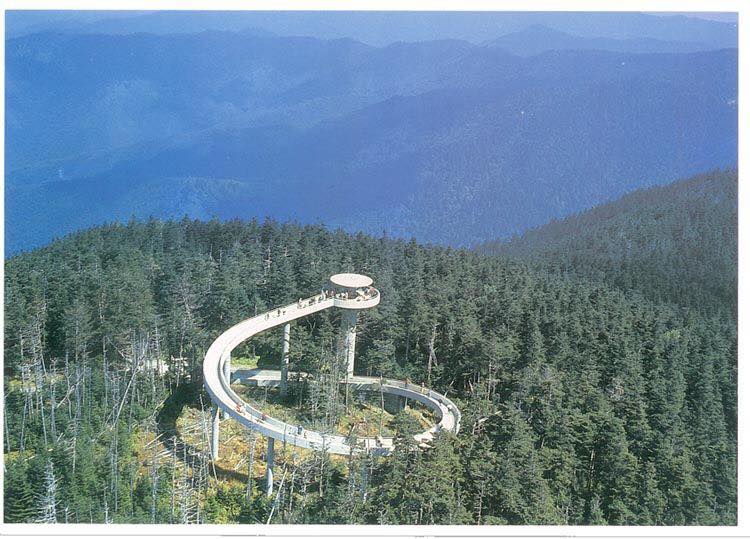
  • Drive to Clingmans Dome. This is the highest point in the Park. Depending on visibility, 7 states can be seen from this observation point. Turn off Newfound Gap Road 0.1 mile south of Newfound Gap and follow the 7-mile-long Clingmans Dome Road to the large parking area at the end. When you get to the large parking lot, it’s a half-mile walk along the path to get to the observation tower. Check out our Clingmans Dome page for more information.
  • Hike to Inspiration Point on Alum Cave Trail. This is actually the first stop on the itinerary, 10.5 miles south on the journey. Consider making the hike if you feel comfortable with your clothing, footwear and physical ability.The hike is 1.8 miles in EACH direction, there and back. It’s called a moderate hike, a fairly gentle climb. It’s very interesting all the way, through a rich old-growth forest with great views of the surrounding mountains.
  • Carlos Campbell Overlook. If you’re short on time, you can bail out early on this trip just 2-3 miles along Newfound Gap Road. The Campbell Overlook has one of the best vistas in the Park, and perhaps the very best view for the minimal effort involved of Mt. LeConte. This place is worth a stop in its own right whenever you have time.

Crowds and traffic are the burden of being popular. To avoid these, try some of the less well known but equally beautiful places to drive and hike. The park rangers have this figured out for you also, see their Off the Beaten Path page. The Cosby end of the park is less visited and more tranquil. Parson Branch Road is well worth exploring, with the quiet feel of old forest.

And finally, when you’re in the area, there are some fun ways to see the fall colors both inside and outside the national park: see our guide to Where to See the Fall Colors in the Smoky Mountains.

Photo by Kahli Reynolds

Photo by Kahli Reynolds

TIP: Also see our Insider’s Visual Guide to the National Park – and remember that whatever part of the park interests you the most, we have vacation cabins all over the area: see our Gatlinburg cabin rentals, Pigeon Forge cabins, and Wears Valley cabins.

Laurel Falls: Easy, Awesome (and VERY Popular)

Laurel Falls Trail is one of the most well known hiking trails in the national park, and it leads to the beautiful 80-foot titular falls that are on many visitors’ must-see lists. This is a fairly easy trail – possibly the easiest one leading to a great waterfall. It’s a paved path that features relatively small elevation changes, so it’s a good choice for families or inexperienced hikers.

Image courtesy of smokymountains.com

Image courtesy of smokymountains.com

Explore one of the most popular trails in the Smokies

The trail leading to Laurel Falls draws scores of park visitors every year, and it’s easy to see why. Even before you get to the end of the trail and actually see the waterfall, you’ll find plenty of natural beauty along the path and get to experience some of the classic flora of the Smokies. This includes the mountain laurel for which the trail is named, which is usually in bloom in May, but there is plenty of other vibrant plant life to be seen throughout the trail. There are many good spots for photos along the path, and mornings and afternoons typically produce some fantastic light coming through the trees that can help set you up for the perfect shot.

Laurel Falls and the trail are very popular, which means you may have to deal with some crowds during the peak times – it can get VERY crowded and with people who are not well versed in nature etiquette or the rules of the park. Your best bet for avoiding the heaviest traffic is to complete the hike earlier in the morning if possible and then move on to other attractions that don’t get quite as many visitors.

Enjoy a pleasant hike with the whole family

Aside from its beauty, one of the main reasons why the Laurel Falls trail is so popular is because it’s a relatively easy hike that can be completed by just about everyone regardless of skill level. The trail runs 1.3 miles each way (so the round trip is 2.6 miles), but there is only 314 feet of elevation rise, so it’s a fairly easy-to-moderate hike even though it provides some challenge. The trail is paved but the surface is also broken and uneven, so wear appropriate hiking footwear – and this is not a suitable path for strollers and certainly not wheelchairs. It’s a great trail for kids, just make sure that they stay on the paved path because there are some steep areas if you venture off that could be dangerous. This is bear country so please follow the proper procedures for wildlife in the park.

See the beauty of Laurel Falls up close

Once you’ve completed the 1.3-mile journey you come face-to-face with Laurel Falls itself, an 80-foot waterfall flowing down mountain rock that is well worth the journey. The trail continues past the falls and is worth exploring a few more hundred feet to reach the top of the falls for a magnificent view. As long as you’re not looking for a deserted trail that makes you feel like you’re alone in the deep wilderness, you’ll find the journey and the destination very rewarding. Additionally, the drive to the trailhead takes you down Little River Road, which is another spot filled with some scenic treasures of its own. From Sugarlands Visitor Center, the trailhead parking area is approximately 3.5 miles along this road.

The Laurel Falls hike round trip need take no more than a couple of hours, and it’s in a very accessible location within the national park, which makes it easy to pair this brisk hike with another activity. The trail itself extends to other places if you’re a hiker, or returning to your car puts you back close to Gatlinburg, or back on the road towards Cades Cove.

TIP: Also see our Insider’s Visual Guide to the National Park – and with an abundance of different cabins close to the park to choose from, check out our tips on How to Find an Affordable Gatlinburg Cabin, How to Find a Gatlinburg Cabin With Spectacular Views and How to Find a Secluded Gatlinburg Cabin.

Meigs Creek Trail: Leading to Meigs Falls and Beyond

From one of the most popular swimming holes in the Smokies to a majestic waterfall and more, Meigs Creek Trail has plenty to offer in terms of diverse scenery and unique experiences. Find out more about what awaits you throughout this lovely hike and learn how you can make the most of your time around Little River Road in the park.

Meigs Creek Trail

Experience a different view of a classic Smokies waterfall

Among the many waterfalls in the Smokies that warrant a visit, all but two require at least some duration of a hike in order to see them. Meigs Falls is one of the unique ones that is visible from a car pull off, about 300 feet off of Little River Road between Gatlinburg and Townsend. It’s quite the view, and it’s a great way for people with accessibility issues or who are physically unable to hike to see a fantastic example of a waterfall in the Great Smoky Mountains.

If you want to get any closer, however, you’re out of luck from the parking area. What you can do is make your way to the Meigs Creek Trail trailhead, where a beautiful 7-mile round-trip hike takes you up close to Meigs Falls and beyond, crossing numerous water features and venturing into the backcountry. The falls themselves are only just over a mile along this trail, so you can turn back if you want, for a short 2-3 mile round trip, but many people continue on because the trail is so nice.

Spend some quiet time deep in the woods

The trailhead for Meigs Creek Trail begins at the Sinks, a swimming hole that has been cooling off visitors to the park in the hot summer months for decades. The Sinks is incredibly popular, but fewer people undertake the journey into the woods on the hiking trail, making it a relatively peaceful excursion. Meigs Creek Trail is moderate in difficulty and famous for its abundance of water crossings.

After just over a mile and a half you’ll reach the closest views of Meigs Falls, and many people choose to turn back at this point. This section alone makes for a rewarding hiking experience, but you can continue an additional two miles deeper into the forest for additional stream views and access to backcountry trails and a campsite. In any event, you’ll be up close and personal with some spectacular scenery that epitomizes the Great Smoky Mountains.

Practice safety in this water-filled area

Meigs Creek Trail is typically categorized as a moderate hike, and features approximately 800 feet in elevation gain. True to its name, it is home to many different crossings of its namesake creek, and therefore water safety should be a primary concern for this hike. Make sure you bring appropriate footwear, extra socks, and trekking poles if you need added stability. Some crossings can become too strong to pass in the rainy seasons, so do not attempt a crossing if the water is moving too fast – and please take seriously the park’s warnings on water safety in its many rapidly flowing waters.

Meander through the scenic beauty of Little River Road

Meigs Creek Trail is one of the gems of backcountry beauty on Little River Road, but it is far from the only sight that you can check out. Little River Road is one of the most notable areas of the park, famous for attractions such as Laurel Falls hiking trail, The Townsend Wye, and of course a dip in the Sinks. You can also plan for a picnic after your hike at the lovely Metcalf Bottoms Picnic area, located not too far from the Meigs Creek Trail trailhead. However you choose to spend your time here, it will no doubt be a memorable part of your Smokies excursion.

TIP: Also see our Insider’s Visual Guide to the National Park – and with an abundance of different cabins close to the park to choose from, check out our tips on How to Find an Affordable Gatlinburg Cabin, How to Find a Gatlinburg Cabin With Spectacular Views and How to Find a Secluded Gatlinburg Cabin.

Fishing in Great Smoky Mountains National Park

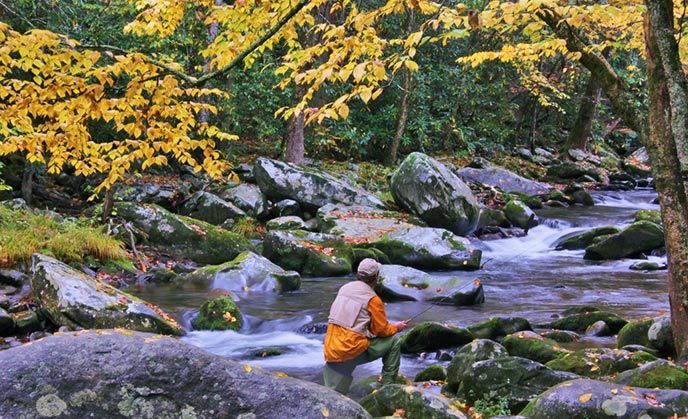
Fishing in Great Smoky Mountains National Park is allowed year-round, every day, from 30 minutes before until 30 minutes after official sunrise and sunset respectively. The park is one of the last habitats in the eastern US for wild trout.

Fishing in Great Smoky Mountains National Park

Warren Bielenberg photo courtesy of NPS


The park doesn’t stock fish, but with almost 3,000 miles of running water throughout the national park, there’s about 600 miles of streams supporting wild trout. As with everything in the park, there’s a large variety of angling challenges, with topography ranging from mountainous headwaters harboring trout, to slower and larger cool-water streams for bass.

Generally spring is a great time for fishing throughout the park, while the heat of the summer means more limited, upstream work. Fall and the returning cool open the fishing again, and all through winter there are some great opportunities for peaceful and rewarding fishing.

You can fish anywhere you can find a stream, unless rangers have the area marked off at the time, for various reasons. There’s no charge to fish in the park, but you’ll need a state license – not available in the park, but you can purchase one online at the Tennessee and North Carolina websites.

The best places to fish depend on your skill and your objective – studying a guide book or hiring a local guide may be the best way to consider all the opportunities. In general, the further away from the roads you get, the less you’ll run into other anglers.

You can buy or rent tackle, as well as hire guides, from local outfitters such as Smoky Mountain Angler in Gatlinburg and Rocky Top Outfitters in Pigeon Forge.

It’s worth knowing also that Gatlinburg actually stocks its local streams with trout, and has 2 designated kid-safe areas to fish, if you’re looking for a family-friendly place to get the kids started on the world’s best sport! See our Fishing in Gatlinburg page for details.

Fishing in GSMNP

To learn more about the requirements for fishing in Great Smoky Mountains National Park, see the park’s Fishing page.

The daily limit on trout of the correct size is 5, and 20 bass. You can only fish using a hand-held rod, and artificial lures – with a single hook, no multiple hooks. The park encourages best practices to preserve the lives of fish that you’ll have to release – which happens frequently, either from under-size or over-limit fish.

Let’s quote in full from the park’s own FAQ on how to release a fish:

  1. Play a fish as rapidly as possible, do not play to total exhaustion.
  2. Keep fish in water as much as possible when handling.
  3. Handle fish with a wet hand, even when using a mesh landing net.
  4. Remove hook gently; do not squeeze fish or put fingers in gills. Use long-nosed pliers to back the hook out gently. Use of barb-less hooks is encouraged.
  5. If deeply hooked, cut the line, do not pull the hook out.
  6. Gently hold fish upright facing upstream and move slowly back and forth in the water.
  7. Release fish in quiet water.

Water Safety

Finally, be sure to check out and teach your family the basic rules of water safety contained in the park website. It’s always worth remembering that the park is WET. It gets lots of rain and has a vast range of sloping, folded terrain. You can experience sudden surges of very fast water occurring from upstream without any warning or rain in your immediate vicinity. Always keep an eye on the water in Great Smoky Mountains National Park – drowning is actually one of the larger hazards in the park.

The park is slippery when wet! Be careful on rocks, along riverbanks and by waterfalls. Aside from fishing, immersive water sports are not encouraged in the park. The streams are best left to the photographer, the hiker – and the ever-prudent angler!

For more on Fishing see:


TIP: Also see our Insider’s Visual Guide to the National Park – and with an abundance of different cabins close to the park to choose from, check out our tips on How to Find an Affordable Gatlinburg Cabin, How to Find a Gatlinburg Cabin With Spectacular Views and How to Find a Secluded Gatlinburg Cabin.

Camping in Great Smoky Mountains National Park

Camping is abundant in Great Smoky Mountains National Park, and the options range from rugged to luxurious. Full information on the variety of options and campsites can be found at the park’s website. Here’s our quick guide to all your options.

Images courtesy of Park Service

Images courtesy of Park Service

Backcountry camping involves hiking to a camp site located deep in the park away from other roads. This is the most pristine experience, and also the most physically demanding of course.

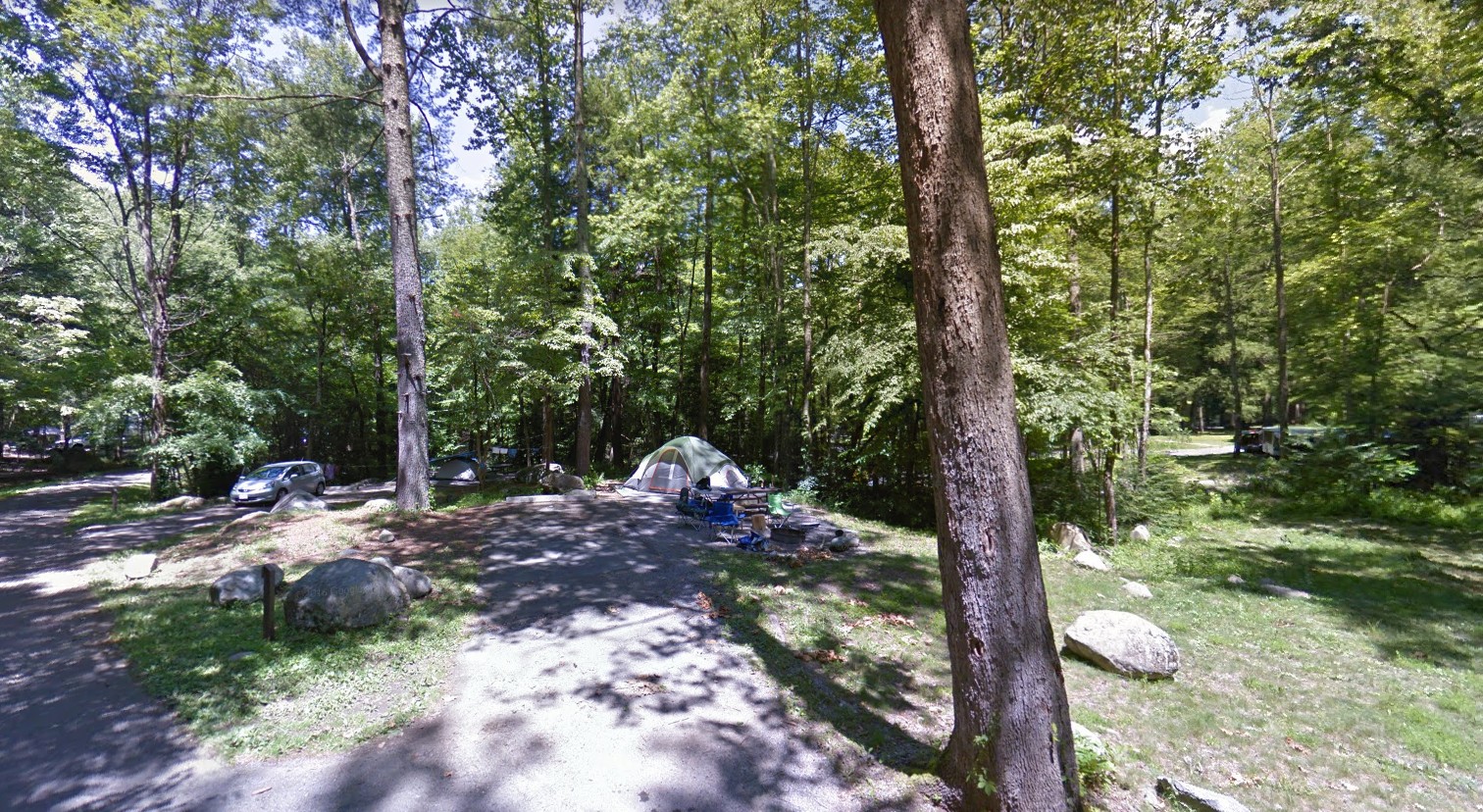
By contrast, there’s frontcountry camping. You can drive your car to these sites, which are more developed, with water and toilets. Each individual space has a picnic table and a fire grate.

Many of the frontcountry campgrounds allow RVs, trailers and motor homes. Permitted sizes differ, so it’s important to plan ahead. In general, there are no electrical hookups in the park, except for medical emergencies, and no shower facilities.

Extending the frontcountry options are several larger campgrounds with communal sites for groups of 7 or more people. Most sites will accommodate 20 to 30 people. These campsites are for tents only, and no RVs or sleeping facilities on wheels are allowed. Wheels are only for driving to and from the site.

There are also horse camps, that you can reach by car, with minimal facilities for tent camping. Regulations are strict regarding stabling. Horse camps are situated with ready access to backcountry trails.

horsecamp

Most campgrounds in the park are not gated, and late arrivals are permitted to arrive, being considerate of other campers of course. All campers must register and pay a fee. Not all places require reservations, but many do, and it’s best to make reservations in all cases – look for the ways to do this as you select your sites in advance.

Pets are usually allowed in frontcountry campgrounds, kept on a 6-ft leash. They’re not allowed on trails, so they also can’t get to backcountry campsites. Generators are often allowed, with noise restrictions at set hours. Alcohol is generally permitted in campgrounds, although open containers in vehicles are of course prohibited by law. Weapons (including fireworks) are not permitted and hunting is forbidden.

If you want to camp in Great Smoky Mountains National Park, the facilities are extensive and provide great variety, so you should plan ahead. You’ll want to know:

  • Is the campground open during my visit?
  • Are reservations required?
  • What’s the cost?
  • How do I get to it – driving or hiking?
  • Where can I find maps and tout guides?
  • Sudden closures can occur – where can I check that roads and trails are open?
  • What water and other facilities are available?
  • What firewood is permitted?
  • Where’s the nearest food to purchase?
  • Where’s the nearest medical facility?
  • What are the rules and regulations for the site?

The park is a nature preserve, which is why people love it. The best way to enjoy it is to leave it better and cleaner than you found it, with the wildlife and settings undisturbed. There a good etiquette that’s worth learning. Even more, there are strict regulations, with penalties, that apply to park visitors and you should know what’s expected of you before you go.

Useful Links

Camping in GSMNP homepage


Mount LeConte and Its Many Trails and Attractions

In a region defined by its rolling peaks and captivating scenery, Mount LeConte holds a special place for many visitors to the Smoky Mountains. While its summit is not quite the tallest point in the range, Mount LeConte is enjoyed for the numerous hiking opportunities that surround it. The trails offer a plethora of excellent photogenic spots and beautiful attractions that make the journey equally rewarding with the destination.

To reach the summit of Mount LeConte, you have a choice from among five hiking trails, each with unique features that make them worth traveling. Here is a little about each of the trails that lead to the top, and what you can expect to see on your way there.

Mount LeConte and Its Many Trails and Attractions

Alum Cave

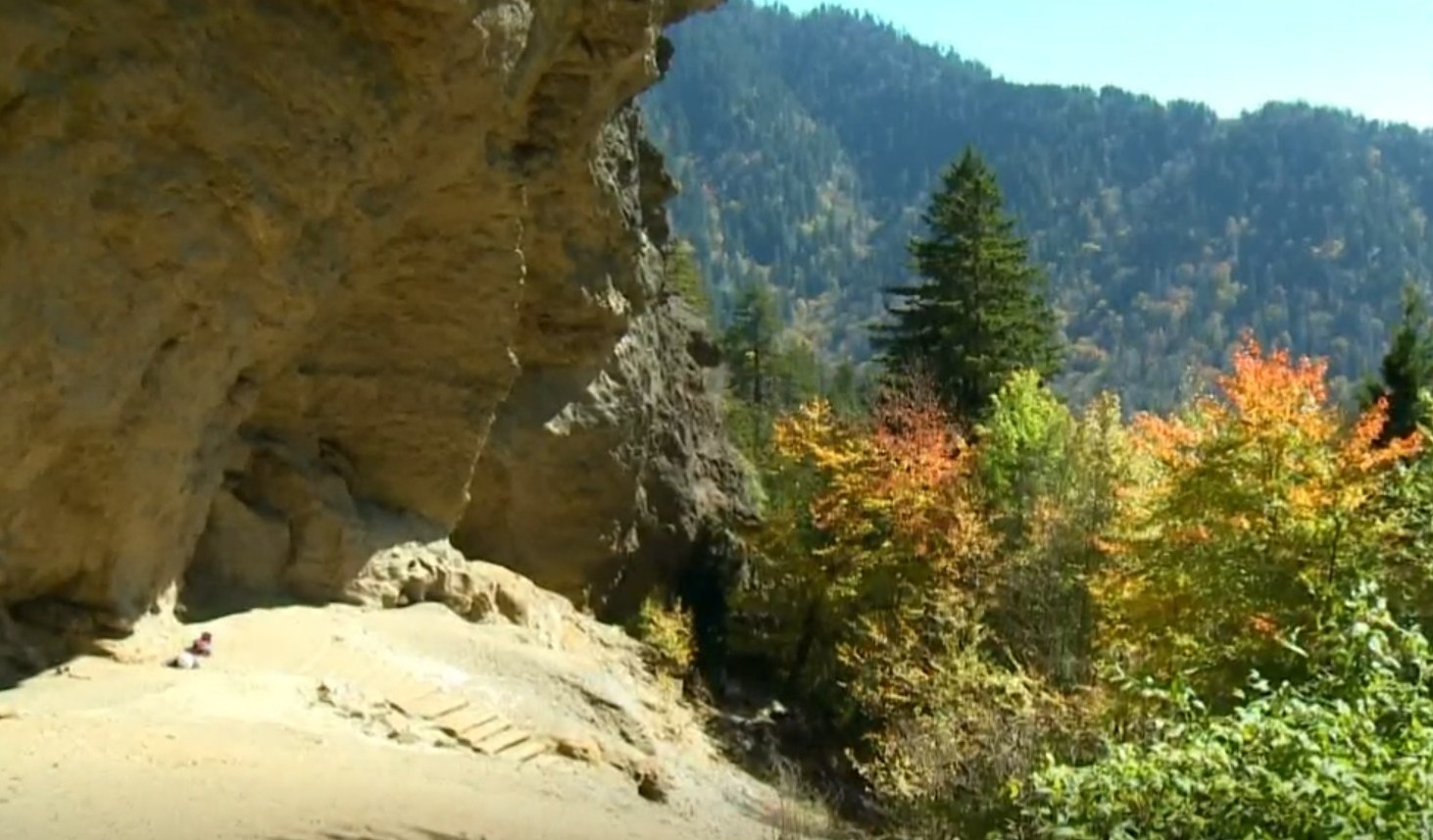
At 11 miles up and back (5.5 mi each way) with elevation gains surpassing 2,700 feet, the full Alum Cave Trail is definitely not for inexperienced hikers, although the easier first part of the trail leading to the iconic and popular Alum Cave Bluffs is manageable by most people. If you are able to make the full trail, however, you will be rewarded with some singular views that will remind you why the route is so popular. Begin by passing over gentle streams and through dense forests, before ascending to notable landmarks such as Arch Rock and Inspiration Point – a favorite for people looking to capture a photo op. The Bluffs are a great place to rest and fire up the camera, on your way to the summit.

Boulevard Trail

The Boulevard Trail connects to the Alum Cave trailhead and is also known for some serious elevation gains, taking you on a climb of approximately 3,000 feet. You can reach the trail from the Newfound Gap parking lot by following the Appalachian Trail for just over 2.5 miles, an area known for wildflowers during the warmer months. Much of the trail straddles the Tennessee/North Carolina border, and it provides plenty of vantage points for you to gaze into the dramatic North Carolina peaks along the way. Many seasoned hikers call this one their favorite approach to LeConte.

Rainbow Falls

Rainbow Falls Trail gives you the chance not only see the views from the top of Mt. LeConte, but also to savor the experience of the tallest single-drop waterfall in the Smokies. Hiking the entire trail will take you over a distance of nearly 7 miles – one way, and the same for the return journey – so a day trip to the summit and back takes a very full day. You will be required to climb nearly 4,000 feet, but you don’t have to hike all the way to the summit to experience a lot of beauty on this trail. It traverses deep forest with plenty of deer and other wildlife. You will reach Rainbow Falls at approximately 2.7 miles from the trailhead, and it makes for a spectacular (and very popular) destination all its own.

Bullhead Trail

If you want to immerse yourself deep in the woods and score some fantastic views of both the peaks and valleys on your ascent, check out the Bullhead Trail. This trail shares some of the route with the Rainbow Falls Trail, and you can actually combine the two to make for a challenging loop through the Mt. LeConte area. One of the most notable sights on Bullhead Trail is “rhododendron tunnel,” a long corridor shrouded by greenery that will make you feel as if you’re alone in the forest.

Mount LeConte and Its Many Trails and Attractions

Trillium Gap

Trillium Gap Trail is considered by many the least arduous trail, although at about 7 miles long it’s not the shortest (Alum Cave is the shortest). The trail offers sights aplenty along the way for those who are able to make the journey. You can see the views from Myrtle Point – which many consider to be the most sweeping in all of the Smokies – and then spend some time lounging at the beautiful Grotto Falls, . Traveling on to the summit, you reach the LeConte Lodge, which is only accessible by hiking. Rooms at the lodge must be pre-booked, and are often reserved up to a year in advance, but you can drop in for lunch – a nice treat before beginning your descent.

No matter which path you choose and how far up you decide to go, the trails to Mt. LeConte are among the most rewarding in the park for serious hikers. Check out some photographs taken from a hike, here and here. Mt. LeConte has a prominent appearance and you will see it from many a Gatlinburg cabin deck, visible from afar. Now you know how to get closer.

Mount LeConte and Its Many Trails and Attractions

Fern Branch Falls and Porters Creek Trail: Great Trail, Great Waterfall

Fern Branch Falls is a beautiful 50-foot waterfall that lies along Porters Creek Trail, which is a moderately difficult 4-mile round-trip (2 miles each way) hike in the eastern part of Great Smoky Mountains National Park. This trail features some wonderful natural scenery and is one of the less traveled trails that you can drive to, so it’s definitely worth a visit if you crave a walk in the woods.

Fern Branch Falls and Porters Creek Trail: Great Trail, Great Waterfall

Scenery of the Smokies

When most people think of the Great Smoky Mountains they conjure up images of majestic vistas, cool rushing streams, and dense forest. Well, Porters Creek Trail leading to Fern Branch Falls features these kinds of scenes in abundance. Early in the journey you’ll travel alongside Porters Creek and see some of the moss-covered stones and trees that are characteristic of this ecosystem.

As you cross over a log bridge that will take you deeper into the forest towards the waterfall, you’ll also pass by a cemetery and some of the remnants of the Greenbrier Cove settlement. These old structures are also common throughout the area and give you a good sense of the history of this place before the national park was established. Finally you’ll come to Fern Branch Falls, a 50-foot high waterfall that’s the perfect place to stop for a bite to eat, some relaxation, and some memorable photos. The trail continues for another 1.7 miles to Campground 31, a back country camping area.

The park a little less traveled

If you’ve ever visited the Great Smoky Mountains National Park, you know that some of the most popular sections of the park can see heavy visitor traffic during busy seasons and especially holiday weekends. This certainly holds true for the more famous hiking trails, but Porters Creek Trail is located in the eastern part of the park near Greenbrier, and it’s an area that sees fewer visitors than some of the others. You’ll still see other people on the trail, but it usually feels a little more sedate than the more crowded places in the park. The entrance to the national park at Greenbrier is actually a nice way to slip into the park and avoid some of the crowds.

Stop and smell the wildflowers

Every season presents its own unique beauty on this trail, but if you want to catch some spectacular wildflowers in bloom you should make a point to visit in the spring, especially in late April or early May. Approximately 40 different species of wildflowers grow in the areas surrounding this trail, and they can make for some great photo ops when they’re at full bloom. This time of the year also happens to coincide with pleasant hiking temperatures to make things even better.

Also, since it’s named Fern Branch Falls you would expect there to be some lush ferns on the trail, and you’d be right. Overall, it’s a beautiful trail and waterfall with plenty of opportunities to see some spectacular natural settings.

It’s a world away without going too far

The peaceful hike along Porters Creek Trail to Fern Branch Falls takes you through some very scenic sections of the park and feels removed from the activity of Gatlinburg. But it’s still easy to get to from most places and makes for an excellent day trip that you can combine with a variety of other activities. Pack up your car with your hiking gear, head off on a lovely scenic drive from your cabin, and get ready for a peaceful hike down a special path in the Smokies.

Fern Branch Falls and Porters Creek Trail: Great Trail, Great Waterfall

Rich Mountain Road in Cades Cove: A Great Scenic Drive

Rich Mountain Road offers an alternative way to leave Cades Cove if you want to take a break from the traffic. It’s a one-way, 7-mile journey on a twisting gravel road that leads north out of Cades Cove and ends in the town of Townsend. The road winds through quiet forest that often features excellent opportunities for wildlife viewing and nature photography.

Rich Mountain Road: A Secluded Drive Through The Smokies

The Smoky Mountains are one of the most visited natural areas in the country, and there’s no denying that during the busy seasons the traffic on the main thoroughfares can get a little thick. Thankfully, there are several quieter, less traveled roads that you can find throughout the area that offer some of the same opportunities for scenic vistas and wildlife-watching opportunities.

Despite the fact that it is easily accessible from the popular Cades Cove, Rich Mountain Road feels far away from the activity of the national park, and more like a secluded nature preserve. It’s one of the most unfrequented areas of the park that is open to public car traffic. The winding road passes by waterfalls, streams, and cliff sides as it travels up Rich Mountain and down the other side toward Townsend.

There is also a scenic overlook on the road that provides an outstanding view of the Primitive Baptist Church in the valley below. It’s a signature view of Cades Cove, so have your camera at the ready.

What you need to know about the conditions of Rich Mountain Road

Rich Mountain Road is more primitive than many of the main paved roads in the park, so there are some issues you need to be aware of depending on the conditions. The road is covered in gravel and usually suitable for all passenger vehicles, but heavy rains for an extended period of time can render parts impassable for some or all vehicles. You can inquire about the current conditions with a park ranger before traversing the road.

Additionally, the road is seasonal, and is usually open from April through mid-November. Buses, RVs, vans longer than 25-feet, and vehicles towing trailers are always prohibited on Rich Mountain Road.

Spend some time on the peaceful side of the park

There is plenty to see in Gatlinburg, Pigeon Forge, and the other busy areas of the Smokies, but sometimes you want to get away and see a different side of the region. Not only is Rich Mountain Road a lovely quiet drive, but it also leads directly into Townsend, which is a charming town that gets a fraction of the visitors of its neighbors.

This western end of the area is sometimes known as the Peaceful Side of the Smoky Mountains, and it can be a great respite if you’re looking to get away for a bit. Rich Mountain Road, Townsend and the entire area are just a short drive from our cabins in Wears Valley.

And remember we have cabins all over the area, so besides Wears Valley you can pick your vacation headquarters from our Pigeon Forge rental cabins and our Gatlinburg cabins too. And if you’re bringing a pet check our latest list of pet friendly cabins in Gatlinburg and Pigeon Forge.

Also see our guides to Gatlinburg Hiking Trails, and our Smoky Mountains map page, as well as more outdoor ideas in our Smoky Mountains Activities guide. Check out our Things to Do in the Smoky Mountains guide as well and the all-important, Things to Do in Gatlinburg With Kids.

Spruce Flats Falls: Beauty Worth Hiking For

Waterfalls are one of the most popular sights to visit in Great Smoky Mountains National Park. Most of them require a hike – although there are two that can be seen by car. But the park has more than 150 hiking trails, offering over 850 miles of hiking, so choosing the right trail for you and your family can be an adventure in itself.

If you’re in the mood for discovery, one of the hidden gems of the park requires a short – but tricky – hike with some beautiful views, on a less well known trail that leads to a stunningly beautiful waterfall. This is Spruce Flats Falls trail.

Spruce Flats Falls: Beauty Worth Hiking For

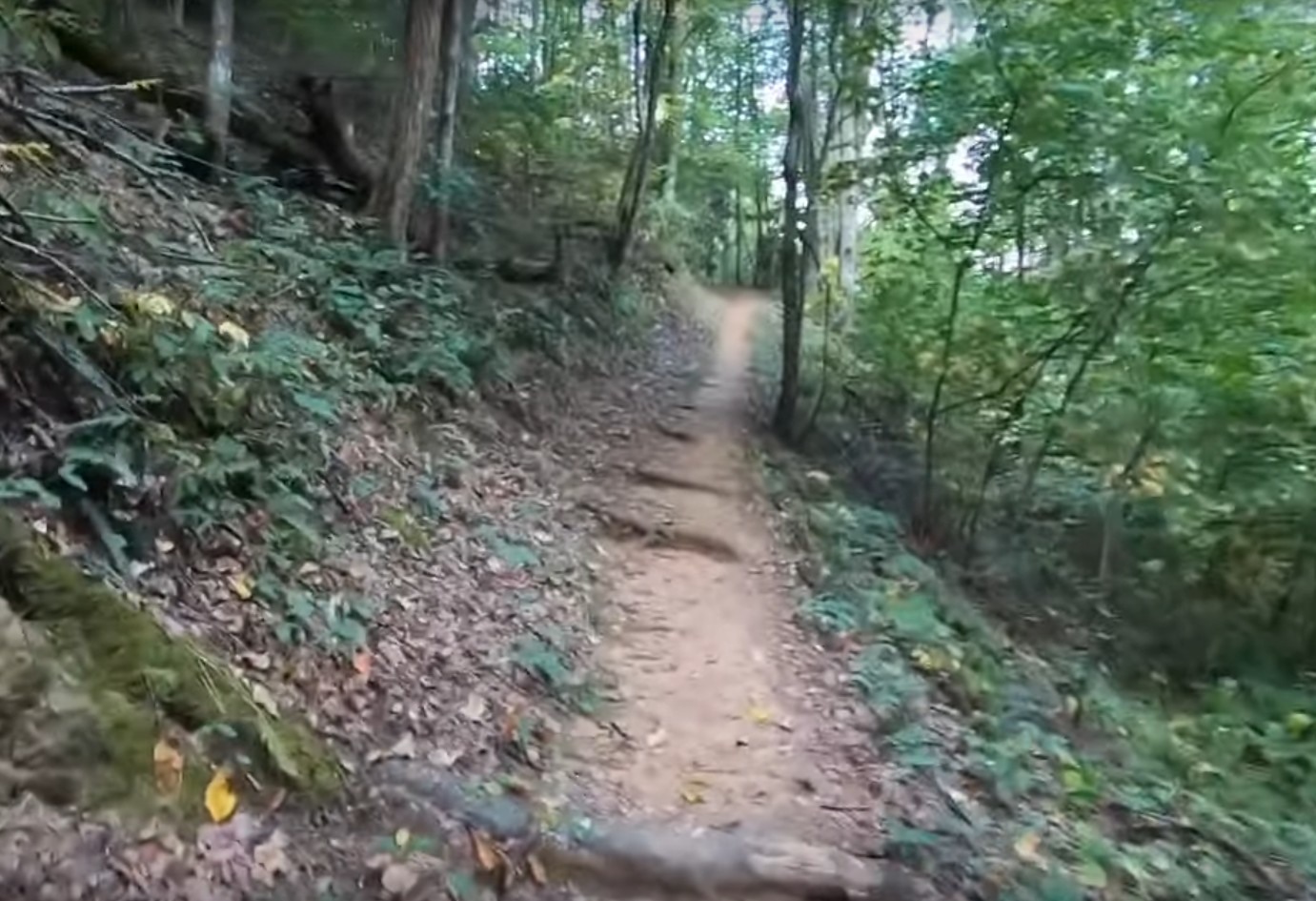
The trail up to Spruce Flat Falls covers approximately 1.9 miles. It shouldn’t take you more than an hour to traverse the distance. Why is it tricky? It’s rated “moderate”, which is already harder than “easy”, so if you have young children or difficulties getting around, this one may not be for you.

It’s a narrow trail, with rocks and tree roots to get over, and after a rain it can be slippery. There’s a steep drop-off, so while we don’t want to discourage you from taking the trail, we do want to warn that if you’re careless, it is possible to slide off the trail – this has happened, and the hiker required professional rescue. But if it’s a dry day, and your group is fit and serious about tackling the outdoors, then by all means take this perfect half-day excursion, and claim the reward of Spruce Flat Falls.

Hiking to Spruce Flats Falls

On your journey up to the falls you will traverse through a young forest, which means that you’ll have plenty of opportunities for viewing ferns, all types of deciduous trees, and wildlife. And if you’re not fond of crowds, since this trail is less well known, you might see very few people on your hike to the falls.

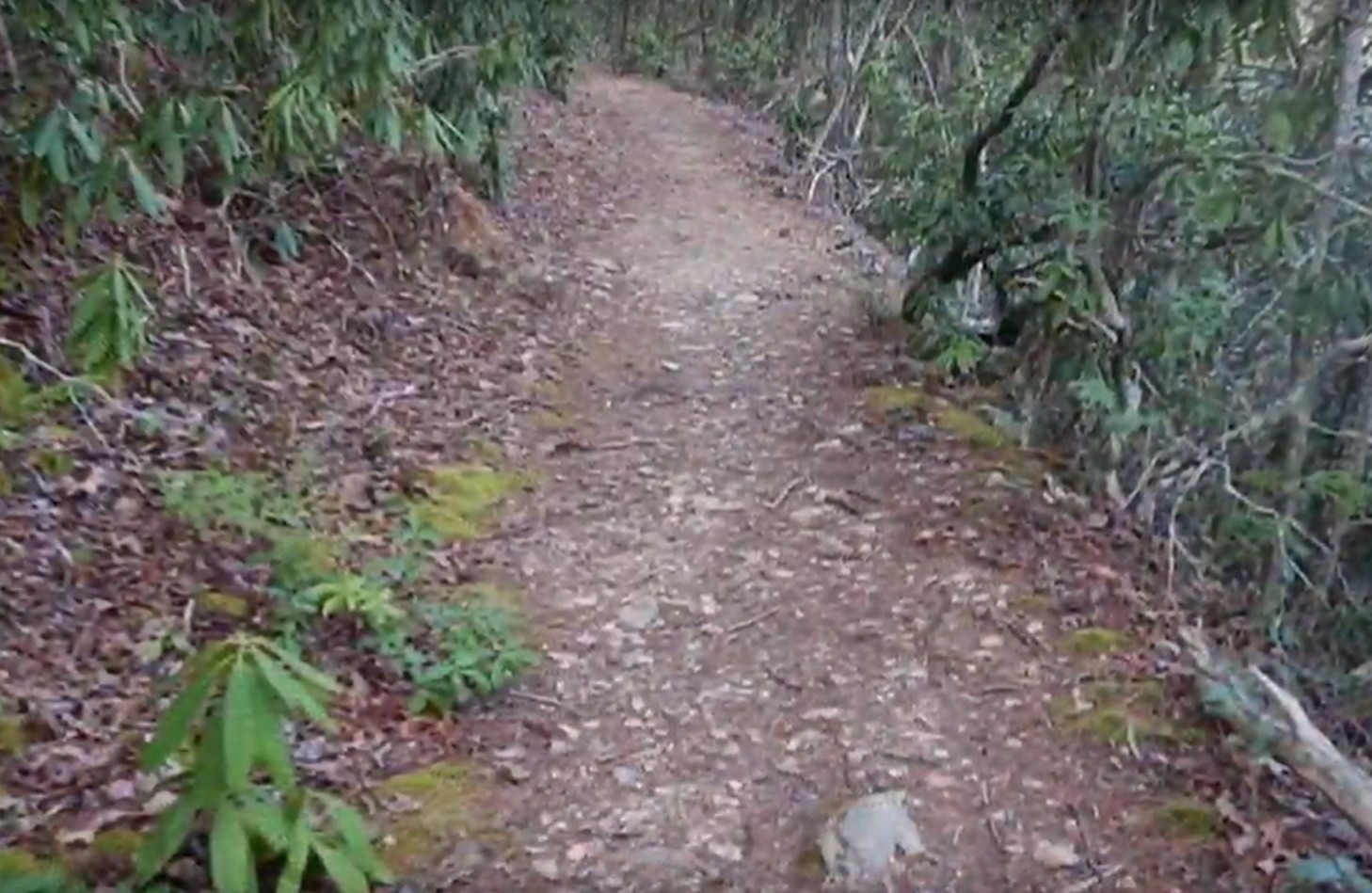
The trailhead is found at the Great Smoky Mountains Institute at Tremont. After parking, follow the gravel trail towards the dormitories, and find trail signs off to the left. Watch your step, especially in the winter and spring months, when the trail is more likely to suffer from erosion. As the trail winds its way up the hill, you’ll come to a portion that is covered in rocks of different sizes and shapes. Past the rock scramble, you can catch your breath and enjoy the scenic overlook of the Little Greenbrier Fault Line.

Next comes another scenic view, the Middle Prong of the Little River, a favorite trout fishing spot. The trail will start to descend towards the falls. As you come out of the trees, you’ll be able to see the impressive Spruce Flats Falls. Depending on the season, you might experience a bit of mud at the end of the trail.

Throughout the year you’ll always have an opportunity to brave the chilly water as you dip your feet in to get closer to the falls. TIP: carry a pair of dry socks and a towel with you on this trip. You’ll get your feet wet, either because you wanted to dip them, or because you had no choice!

Always be aware of how to treat rushing water in the national park, and remember that the rocks and steep drop-offs on the trail will be particularly slippery after a rain and in the morning as fog and evening precipitation begins to lift.

This moderate hike offers a chance for you to view a beautiful four-tiered waterfall. The highest point on Spruce Flats Falls is almost 40 feet in the air. Once you reach the falls, you’ll want to spend some time walking around to view it from different angles. The falls are best photographed before midday – in the morning the shadows and lighting will create dynamic shots that can be captured by anyone with a camera. And as with everything in the park, starting early in the morning is always good advice to avoid crowds.

Hiking to Spruce Flats Falls is a great opportunity for individuals and families alike to create some special memories. Keep in mind that the conditions of this moderate hike will vary depending on the season and recent weather conditions. Good footwear, a diligent attitude, and some hiking experience will make the trek to and from Spruce Flats Falls a good excursion.

Many people from the Institute at Tremont have made this hike, and one of them was good enough to film it for the rest of us. Here’s a step-by-step view of the terrain:

TIP: Also see our Insider’s Visual Guide to the National Park – and with an abundance of different cabins close to the park to choose from, check out our tips on How to Find an Affordable Gatlinburg Cabin, How to Find a Gatlinburg Cabin With Spectacular Views and How to Find a Secluded Gatlinburg Cabin.

Abrams Falls – One of the Park’s Most Photogenic Waterfalls

Abrams Falls is a beautiful natural water feature in Great Smoky Mountains National Park, located near the popular Cades Cove area. Getting there requires a moderately difficult hike, but the path covers some tranquil wilderness in the park that gives you a true sense of the Smokies. And the reward is one of the most photogenic waterfalls in the park.

Abrams Falls - One of the Park's Most Photogenic Waterfalls

Take full advantage of your visit to Cades Cove

There are plenty of reasons why Cades Cove is the most popular destination in the Great Smoky Mountains National Park, including the ease of getting there and the variety of attractions and scenic spots that populate the area. One of those is Abrams Falls, a 20-foot high waterfall that many people describe as one of the most beautiful in the Smokies, and the trailhead that leads to it is right off the main Cades Cove Loop Road, just past stop #10.

The falls themselves and the hike to get there are relatively well-trafficked, which makes sense as they are close to the area that sees more visitors than any other in the park. That said, the hike and the falls can still make for a great excursion as long as you are prepared, and combined with trips to see some of the other sights of Cades Cove it can give you a full day in the park at some of the most noteworthy scenic spots. We recommend you allow for approximately 4 hours of time to complete the hike and to linger to enjoy the falls.

Embark on a moderate hike that still provides some challenges

The trail to and from Abrams Falls is approximately 5 miles round trip, and you reach the falls at the 2.5-mile mark before turning around and heading back to the trailhead. Although the total distance is not very long, the hike is classified as of moderate difficulty. Most hikers should be able to handle the trail, but there are some important safety concerns that need to be noted.

It’s recommended that you wear appropriate hiking footwear for this trail, because there are some rocky areas and exposed roots throughout the path that must be navigated. There are also some ascents and crossings you need to manage, but overall as long as you follow guidelines and use common sense you should have a great time on this hike.

Get some great photos at and all around the falls

As you would expect, when you reach Abrams Falls you will have ample opportunities to take some great photos and videos of the roaring waters cascading down the cliff. It is possibly one of the most picturesque spots in a national park known for its scenery, and it’s also a great place to stop for a picnic and enjoy the water around you.

When you’re at the falls, be careful around the rocks – things get slippery and many people have had accidents here. Also, moving water carries more force than it seems, and although this waterfall is not especially tall, it carries the highest volume of water of any waterfall in the park.

Note that the pool is NOT a swimming hole, even if it looks like one. Because of the undertow and water volume, swimming would be extremely dangerous. People who didn’t heed the warnings have drowned here. Please be warned. This is a great place to enjoy by looking rather than clambering around. And it always pays to heed the park’s standing advice about being careful around all water.

Don’t neglect the many opportunities to take photos on the trail itself. You follow the creek for the majority of the trail and can get some fantastic shots of the water rushing alongside you, and you’ll find plenty of geological formations, beautiful plant life, and possibly even some animals along the way as well.

Enjoy the beauty of the falls without traveling far from your cabin

Abrams Falls is a great opportunity to see one of the most scenic spots in the Smokies, and because of its location near Cades Cove it’s simple to get to from your Smoky Mountains cabin. If you’re open to a slightly more rigorous hike compared to some and you can follow the proper safety guidelines, you’ll find Abrams Falls a rewarding hike that you can easily fit into your schedule.

~~

You can find more waterfalls along some of the popular trails in the park. See our guide to more Waterfalls in Great Smoky Mountains National Park. And see more outdoor ideas in our Smoky Mountains Activities guide.

For more information see the Things to Do in the Smoky Mountains guide and also Things to Do in Gatlinburg With Kids. We have cabins throughout the area, so you can make your home-away-from-home base  station during your stay from among our Wears Valley cabins, our Pigeon Forge rental cabins or our Gatlinburg cabins If the family pet is coming too, see our lists of pet friendly cabins in Gatlinburg and Pigeon Forge.
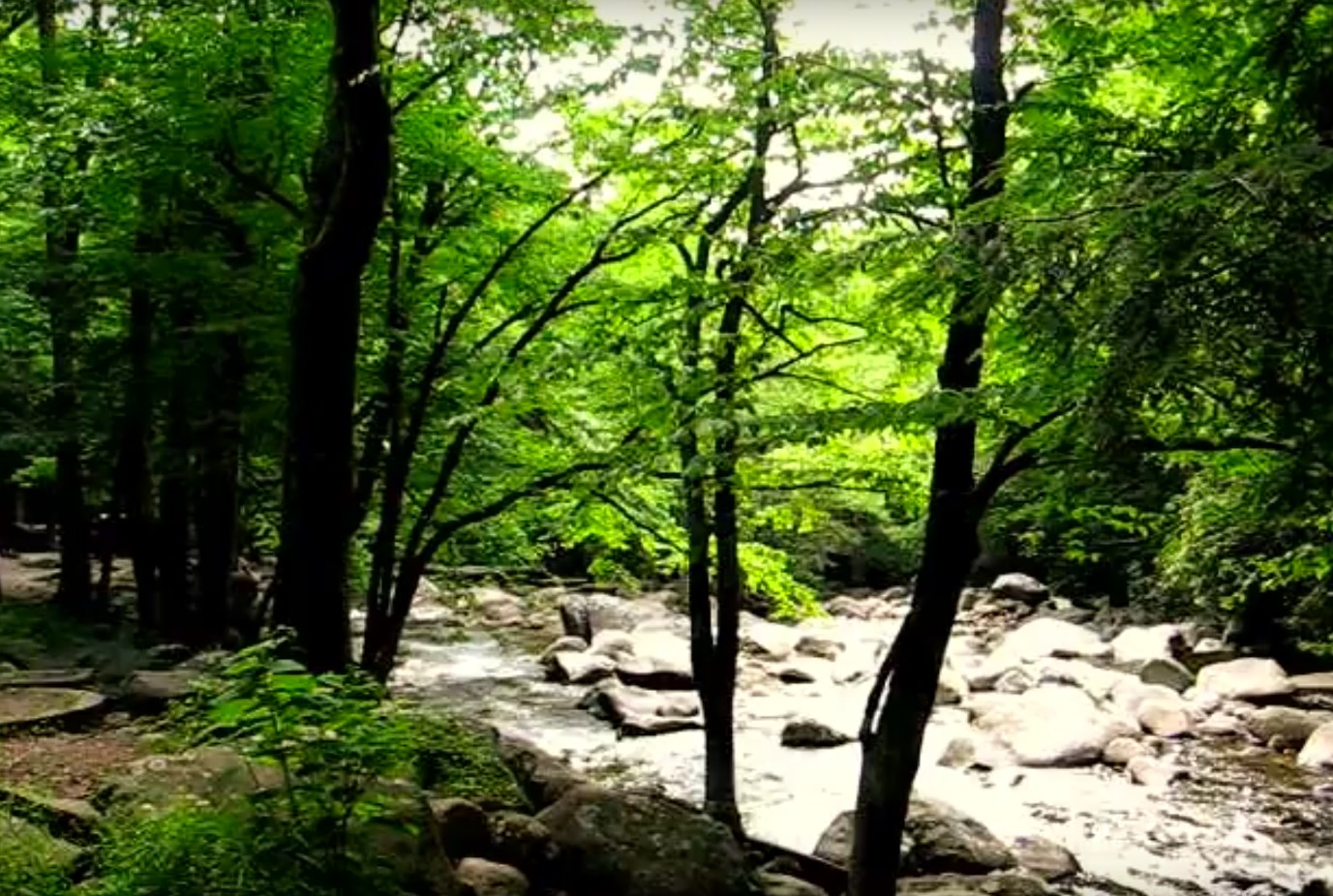
Metcalf Bottoms Picnic Area and Trail

From the Metcalf Bottoms Picnic Area you can access the Metcalf Bottoms trail, which is an easy-to-moderate hike that goes 1.5 miles out and back (3 miles round trip) and should be passable for almost all members of the family. The trail meanders along the river and provides views of some of the classic rolling hills, wildflowers, and lush forest that the Smokies are known for.

Metcalf Bottoms Picnic Area and Trail

Take a pleasant and historical short hike in the park

Hiking the Metcalf Bottoms Trail also gives you an opportunity to learn more about the history of the area. At the end of the trail you’ll come upon the 19th century schoolhouse of the Little Greenbrier School, which still contains a blackboard and some desks that were used by teachers and students. If you wish to continue on, the Little Brier Gap Trail also connects to the schoolhouse, and will take you further to the Walker Sisters’ Cabin.

Have fun in the water responsibly

One of the great things about Metcalf Bottoms Picnic Area and Trail is that there is plenty of easy access to the water throughout the area. During the warmer times of the year it’s a great spot to do some swimming or fishing in the gorgeous environs of the national park, but there are some safety guidelines and conservation rules that must be followed.

The swimming areas of the river can have slipper surfaces and uneven terrain, so make sure to take caution when you are standing or walking and watch out for the children in your group. The rivers and streams throughout the Great Smoky Mountains National Park are popular spots for anglers from all over, but it’s important to remember that fishing in these waters requires a valid state fishing license at all times. Violations are frequently enforced and fines can be steep, so have your license on your person whenever you grab your gear and hit the water.

Plan a picnic, but be sure to follow regulations

Sharing a picnic with your family and friends at Metcalf Bottoms amidst the mountain scenery is a great way to spend an afternoon in one of America’s most beloved national parks. Whether you bring a home cooked meal prepared in your cabin or stop to pick something up at a local restaurant or store, it’s all about creating memories with your loved ones against the backdrop of one of the most unique regions in the country.

Metcalf Bottoms has two main picnic areas, and both feature great views of the Little River, plentiful picnic tables, and charcoal grills for cooking. There is also restroom access, drinking water provided, and a 70-seat pavilion available for rent if you are hosting a gathering. Wildlife, including bears, live in and around this area, so please be sure to clean up all of your food and waste, as well as the grill, before you leave. Feeding the wildlife in the park is against the law, and violations of these rules cause bears to leave the safety of the backcountry and come to human-populated areas more frequently in search of food – this in turn forces the park service to euthanize them, so feeding bears results in their death.

Make Metcalf Bottoms a part of your journey down Little River Road

Metcalf Bottoms is simple to reach from any of the areas surrounding the national park. You can get to it by traveling south from Wears Valley on Wears Cove Gap Road, or you can include in your tour of Little River Road, which features many popular scenic areas and trails that deserve a spot on your itinerary. Keep in mind that Metcalf Bottoms is a popular area in the park, and that the best time to visit during busy periods is generally earlier in the day.

~~

If you’re looking for more outdoors adventure, see our guides to Gatlinburg Hiking Trails, and our Smoky Mountains map page, as well as more outdoor ideas in our Smoky Mountains Activities guide. Check out our Things to Do in the Smoky Mountains guide as well and the all-important, Things to Do in Gatlinburg With Kids. And remember we have cabins all over the area, so pick your vacation headquarters from our Wears Valley cabins, our Pigeon Forge rental cabins and our Gatlinburg cabins – and if you’re bringing a pet check our updated list of pet friendly cabins in Gatlinburg and Pigeon Forge.
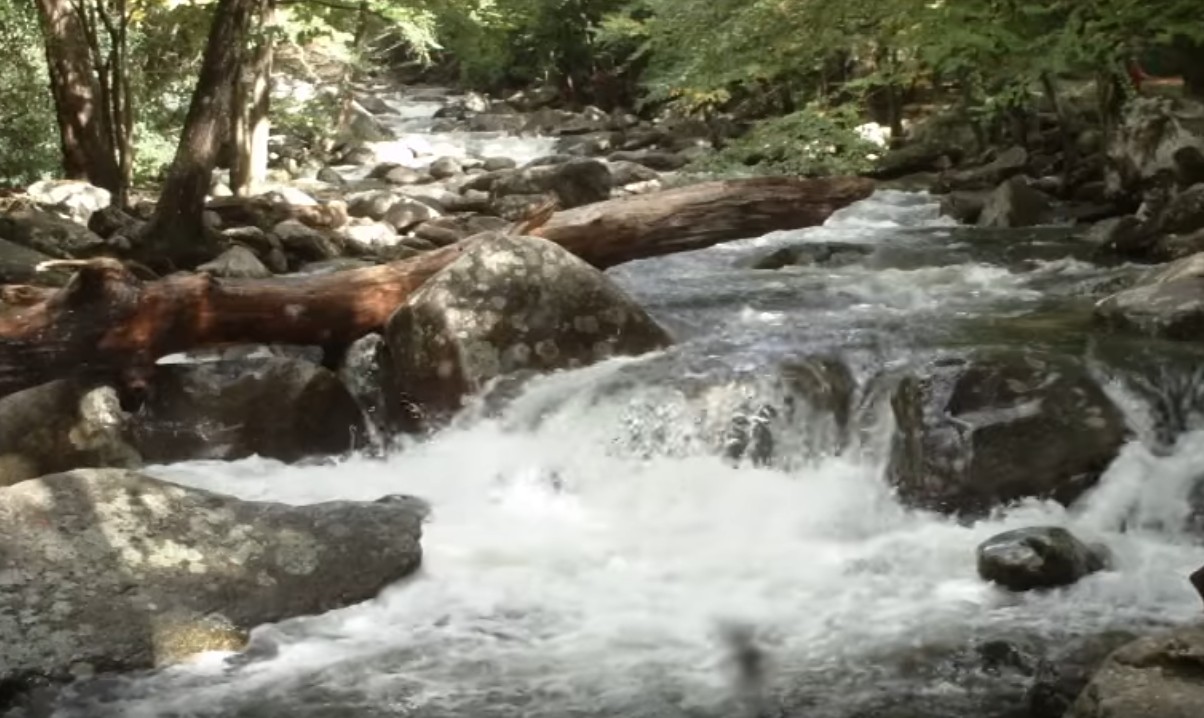
Ramsey Cascades – Spectacular Falls, Tough Trail, Scenic Area

Even in an area known for its abundance of beautiful waterfalls, Ramsey Cascades stands out as one of the premier attractions in the Great Smoky Mountains. Not only are the falls themselves the tallest in the park and among the most beautiful, but the hiking trail that takes you there is a worthy experience all its own. Discover more about why Ramsey Cascades may be your next can’t-miss destination in the Smokies.

Ramsey Cascades - Spectacular Falls, Tough Trail, Scenic Area

Savor the views of the tallest waterfall in Great Smoky Mountains National Park

If seeing a great waterfall is on the agenda for your next Smoky Mountains vacation, it will be tough to pick a more dramatic option than Ramsey Cascades. At approximately 100 feet high, this waterfall is the tallest in the park and has earned a reputation as one of the best examples in the region of this classic Smokies geographical feature.

At the falls, crystal clear water rushes down several outcroppings of rocks until it collects in the pool at the base. This water source is known to be a habitat for salamanders which can camouflage themselves to hide from predators. All in all it’s a spectacular sight, and one of the true natural gems of the Great Smoky Mountains National Park.

Put your skills to the test on a challenging but incredibly rewarding hike

To reach Ramsey Cascades you must first travel an approximately 4-mile hiking trail (8.1-mile round-trip) that wanders deep into the woods through some one of the largest old-growth forests in the area. You’ll walk amongst some of the oldest trees in the park on your journey, and also partly follow the Ramsey Prong of the Little Pigeon River for a complete experience in the Smokies wilderness.

The key point to note about this trail is it is rated moderate-to-strenuous, and shouldn’t be attempted by children and inexperienced hikers. It features over 2,000 feet of elevation gain, and contains a variety of obstacles such as narrow footbridges and difficult rocky terrain in spots.

Remember to practice safety first, scenery second

Because the trail to Ramsey Cascades is no simple stroll, you’ll want to make sure that you prioritize safety before you begin your journey deep into the beautiful forest. Make sure everyone in your group is physically fit enough to handle the demands of this trip. Proper hiking footwear such as boots or sturdy trail runners are an absolute necessity in order to safely navigate the terrain of this trail. You should also consider trekking poles to help stabilize you on some of the more rough terrain.

When you reach Ramsey Cascades, please heed the signage that instructs no climbing on the rocks, even if you see other people breaking the rules, as some hikers have died by attempting this. Hornets nests can also be present in the summer, so stay alert. As long as you practice proper safety, you’ll have a memorable trip to and from Ramsey Cascades.

Explore more of the wonder of the Greenbrier area of the park

Ramsey Cascades is located in the Greenbrier area, a section of the park renowned for its dense forests and stunning streaming waters. The Greenbrier entrance is located six miles east of Gatlinburg on Highway 321, and you’ll then follow Greenbrier Road just over 4.5 miles to the Ramsey Prong to reach the trailhead. This is a wonderful scenic drive in  its own right: check out some of the other notable attractions in this area, including a bridge across the Little Pigeon River that is perfect for photos, and another exceptional hiking opportunity in the trail to Fern Branch Falls. This popular yet accessible area contains some of the most notable landmarks in the Great Smoky Mountains, so there is plenty to explore!

Ramsey Cascades - Spectacular Falls, Tough Trail, Scenic Area

Alum Cave Bluffs and Trail

One of the premier hiking trails in Great Smoky Mountains National Park is Alum Cave Trail. This popular trail features dramatic views and unique natural features, and culminates in a vista at Alum Cave Bluffs that will give you memories for life, and will leave you wanting to return.

Alum Cave Bluffs and Trail

Enjoy a challenging and rewarding hike

The trail to Alum Cave Bluffs is a moderately difficult hike that stretches approximately 4.6 miles round trip (2.3 miles each way). It does feature some difficult terrain and gains over 1,200 feet in elevation on a relatively short way out, and gets more challenging as you head up the mountain. While most hikers should be able to complete it, you should make sure everyone in your party is prepared for more than a casual woodland stroll.

That being said, most visitors find the trail well worth the effort, as long as you are physically capable of hiking it safely. The trail is steep in spots and often closely hugs the ridge of the mountain, offering hikers stunning views of the lush woodlands and creek below. As you ascend, you’ll get to see aspects of the park that you can’t view from any other vantage point. Even experienced mountain hikers have been known to be awed by some of the scenery on the voyage to Alum Cave Bluffs.

Spend some time at various natural landmarks during your journey

It’s definitely not all about the destination on the Alum Cave Trail. During the trek to Alum Cave Bluffs, you’ll pass by several unique geological features that are worth a stop in their own right. For instance, you will ascend Arch Rock, a beautiful feature carved by nature out of black slate that froze and thawed over time. You pass this by means of a set of steep rock stairs and cable handrails. At the heath bald known as Inspiration Point, you can gaze on the surrounding mountains from a height of approximately 4,700 feet and take pictures of the amazing panorama before you. When the weather is amenable, you may be able to spot the “Eye of the Needle” from this point, a small (from this perspective) hole in a rock near the highest part of Little Duck Hawk Ridge.

Savor the unique views of Alum Cave Bluffs

Just so there’s no confusion, Alum Cave Bluffs isn’t exactly a “cave” per se, but that doesn’t make it any less beautiful to look at. The massive black slate bluff hangs 80 feet above the valley below, and makes for a perfect spot to stop, rest, and soak up the sun on clear days.In case that doesn’t sound impressive, the place is BIG – very hard to get in a single photograph – and well worth the hike.

Alum Cave Bluffs is so named because the structure somewhat resembles the opening of a cave, and deposits of the chemical compound alum were discovered in the walls. Once you reach Alum Cave Bluffs you can retrace your steps to return to the parking area, or you can continue on an additional trail leading to Mount LeConte – but be warned that the trail gets steeper and more challenging from here.

Plan your hike accordingly

The hike to Alum Cave Bluffs is not overly difficult, but you should take some simple precautions. First make sure you have appropriate trail footwear, especially if it has rained recently because the rocks on the trail can get slippery. Because of the elevation changes, you may want to bring an extra layer when hiking in the shoulder seasons. As always, normal day hiking protocols such as bringing water, snacks, and a trail map are recommended.

The Alum Cave Bluffs Trail is one of the more popular hikes in the national park, which means it can get crowded during busy times. If you want to beat the crowds, it’s usually best to set out earlier in the morning since the trail gets more populated as the day goes on.

And actually Alum Cave Trail does not culminate in the Bluffs. It’s one of the five trails leading to Mt. LeConte, and is also the shortest trail to the summit – although perhaps not the easiest. Check that link to our guide to see the options for the trek to the LeConte summit.

TIP: Also see our Insider’s Visual Guide to the National Park – and remember that whatever part of the park interests you the most, we have vacation cabins all over the area: see our Gatlinburg cabin rentals, Pigeon Forge cabins, and Wears Valley cabins.

Mouse Creek Falls: Easy Trail, Good Swimming Hole

Mouse Creek Falls stands at 45-feet high, and showcases gentle cascades of mountain water coming down an impressive rock face. It features an easy trail and a nice swimming hole along the way. You’ll be treated to some spectacular views of this natural beauty, so be sure to bring a camera to get some memorable shots.

Mouse Creek Falls: Easy Trail, Good Swimming Hole

Mouse Creek Falls

A tranquil waterfall a little off the beaten path

Every waterfall in the Smokies is a unique experience, and many of the most highly-trafficked falls draw throngs of visitors for good reasons. But sometimes it’s good to check out a spot that doesn’t get quite as much attention, and Mouse Creek Falls is an excellent opportunity to see a waterfall just over the border on the North Carolina side of the Great Smoky Mountains.

A hiking adventure for practically everyone

Mouse Creek Falls is a very accessible waterfall, thanks to the relative ease of the Big Creek Trail that leads there. The trail is a moderate 4.2 miles in round-trip length, and one of the most interesting things about it is that it follows an old railroad grade which was built as a part of the early 20th logging boom in the mountains, and was used to transport lumber out of the region. The elevation changes are fairly gentle, so you definitely don’t need to be an experienced hiker in order to make it safely to Mouse Creek Falls and back. Don’t be afraid to bring the family, but you should ensure that everyone has appropriate footwear because of the rocky terrain in some parts of the trail. Serious hiking boots aren’t necessary; just bring some solid shoes with good structure—your feet will thank you!

Unique sights of the Smokies

Mouse Creek Falls is a worthy destination all its own, but the journey on Big Creek Trail offers a host of other interesting sights to enjoy on your way to the star attraction. Throughout the trail you’ll be able to see parts of Big Creek flowing alongside you, providing a wonderful aural and visual accompaniment during your trip. Also note that this is one of the prime areas in the park for viewing wildflowers, so you will be in for a colorful treat if you are hiking this trail in the spring or early summer.

Mouse Creek Falls: Easy Trail, Good Swimming Hole

Midnight Hole

Near the 1.5 mile mark you will see a deep swimming area known as Midnight Hole. This is a popular spot for a dip, so don’t be surprised to see a lot of people hanging out here when the weather is nice. The crisp mountain water keeps this swimming hole cool even in the warmest months, so wade in if you’re up for it.

To reach Big Creek Trail and Mouse Creek Falls, head into North Carolina on I-40, and take the exit for Waterville Road. The trailhead is only a few miles off the interstate, so if you are staying on the Tennessee side of the Smokies you will have an easy trip back to your cabin.

~~

For more outdoors adventures in the Smokies, see our Gatlinburg Hiking Trails, and our Smoky Mountains map page. You can find more great outdoor things to do in our Smoky Mountains Activities guide. And for even more tips, see our Things to Do in the Smoky Mountains guide, and especially Things to Do in Gatlinburg With Kids.

We have cabins all over the area, so pick your vacation headquarters from our Wears Valley cabins, our Pigeon Forge rental cabins and our Gatlinburg cabins – and if you’re bringing a pet, review our lists of pet friendly cabins in Gatlinburg and Pigeon Forge.
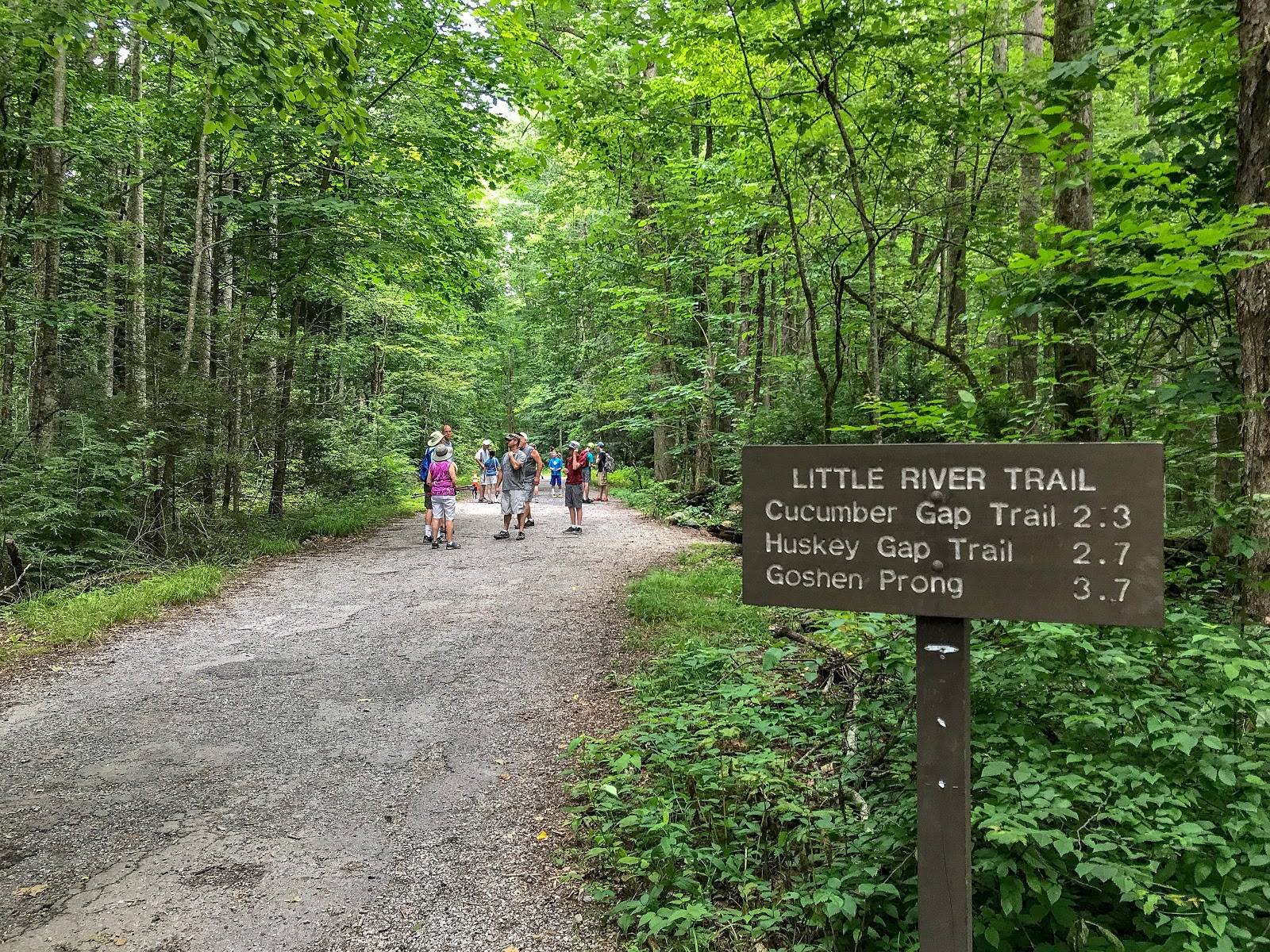
Chimney Tops Trail: Views Worth Working Hard For

The twin peaks of Chimney Tops present some of the finest panoramic views in Great Smoky Mountains National Park. Chimney Tops trail is one of the most popular trails in the park, and yet it’s not exactly easy. Although fairly short, the trail is very steep and quite challenging, but the rewards are what people remember about it, and the reason they keep coming back.

Here are some things you should know before you try the trail yourself.

Image by Brian Stansberry, CC license courtesy of wikimedia

Image by Brian Stansberry, CC license courtesy of wikimedia

It’s a 4-mile hike round-trip, 2 miles each way. Pick a dry day, and leave yourself plenty of daylight to return in, because you’ll want to linger at the top, and it’s not a trail you want to take in failing light or bad weather. At the top it can get very slippery in the wet.

Carry water to drink and snacks for a picnic at the top – you’ll be tired when you get there and you won’t want to leave the stunning views anytime soon. It goes without saying you want to bring your camera along. Also, no pets of course.

From the Sugarlands Visitor Center at the entrance to the park from Gatlinburg, the Chimney Tops trailhead is 6.7 miles along Newfound Gap Road. (At 4.4 ,miles you’ll pass the Chimneys Picnic Area, which is a different place.) You can see the peaks as you approach the area.

The trail ascends 1400 feet in two miles, most of it in the 2nd mile. The first mile is easy, with several level places during the ascent, and great scenic views, as well as 3 stream-crossings by bridge. The mountain stream has lots of large boulders and pools, perfect to sit and cool the feet. The second mile, where the trail forks to the right, is where the work starts.

Chimney Tops Trail is recently renovated, which is useful, but still there’s a lot of loose rock, and hiking boots with ankle protection would be the best footwear. Gloves may be useful too. The trail can be crowded, so bring your steady patience to the task of climbing up to the summit. This climb is very steep, definitely arduous – it’s a workout that takes a bit of stamina.

The Chimney Tops are a pair of rocky outcrops. As the trail arrives at the base of the taller of the two pinnacles, it relents a little and gives you a breather with a bit of down slope. There’s a trail to the side of the pinnacle that works its way around towards the top, and if it’s open this is the way you want to follow. The views are magnificent.

People at this juncture do climb to the top of the pinnacle directly, and it’s definitely a scramble – close to actual rock climbing in places, although no technical gear is required. Even so, falling would be dangerous. The bare rock is slippery in the rain or ice, and not recommended – you could easily injure yourself, and people do.

On dry days, many people including kids clamber up it wearing sneakers – having ignored all suggestions about hiking boots with their far better grip – while others turn away. It’s okay to hang out at the base of the pinnacle, and for that matter, many people treat the first mile of this trail as their playground, and resist the fatiguing climb of the peak.

If you don’t get vertigo, the 360-degree views of the Smoky Mountains from the peak are exhilarating to experience, although arguably not much different from other scenes slightly lower down. Know your capabilities and play safe around the Chimney Tops. From the first outcrop, you can also work the saddle to the lower chimney, which does require some experience and skill.

Chimney Tops Trail is open year-round except for the periodic, weather-related closures that can happen anywhere in the park. If you’re not fond of crowds, start early and avoid the weekend, as with everywhere in the park. And if you play in the stream along the trail, make sure you read the park’s advice on Water Safety.

UPDATE: This area was badly harmed during the wildfires of 2016, and the trail was closed for a while, as volunteers did an amazing job of restoring it. However, as of early 2021, there is a gate barring entry to the outcropping summit. This is temporary as nature restores the mountain top, but we have no word on when this restriction might be lifted. But, the views up to the gate are still spectacular, and make the hike well worth it..


TIP: Also see our Insider’s Visual Guide to the National Park – and with an abundance of different cabins close to the park to choose from, check out our tips on How to Find an Affordable Gatlinburg Cabin, How to Find a Gatlinburg Cabin With Spectacular Views and How to Find a Secluded Gatlinburg Cabin.

Save

Curry Mountain Trail: Close to Metcalf Bottoms

Curry Mountain Trail is a moderate, 3.3-mile (6.6 mi round trip) hiking trail near the Metcalf Bottoms Picnic Area in Great Smoky Mountains National Park. This trail is known for its solitude and copious wildflowers, and it is worth checking out if you are looking for a quiet hike in the wilderness.

Curry Mountain Trail: Close to Metcalf Bottoms

Embark on a hiking experience away from the crowds

The most popular areas in the Great Smoky Mountains National Park tend to see plenty of visitors, especially during the busy seasons and on weekends. And while you can have a great experience in the park seeing the highlights, sometimes you’re just looking for a quieter way to connect with nature, and that’s one area where Curry Mountain Trail excels. It’s one of the less well known hiking trails in the area that doesn’t require going into the backcountry, so most people can easily access it and enjoy a little solitude while seeing some beautiful scenery and staying active.

With this solitude comes an increase in difficulty when compared with the easiest trails in the park. Most sources tend to rate Curry Mountain Trail as moderate, and it runs approximately 6.6-miles in roundtrip length. There are plenty of rocks and roots throughout the trail, so you definitely want to wear appropriate hiking footwear and make sure you are capable of traveling over rough terrain. As long as you are prepared, you should be in for a rewarding hike.

Travel through some quintessential Smoky Mountains nature

The hike through Curry Mountain Trail puts you right alongside some of the scenic beauty that defines the Great Smoky Mountains. Dense forests and clearings with wildflowers are characteristic sights on this trail, and you’ll likely spot rhododendrons, red flame azaleas, crested dwarf iris, and more. You may also come across some stone formations where early settlers inhabited the area and built homes. As you make your way higher up the mountains you can get some decent views of the surrounding peaks, but oftentimes the dense foliage around you is the most prominent view. Nonetheless, Curry Mountain Trail still offers plenty of natural beauty and opportunities for seclusion.

Be as adventurous as you want to be

You can complete the roughly 6.6-mile Curry Mountain Trail during a day and still have time left over to explore other parts of the park or head out for some dining and attractions in Gatlinburg. However, if you are more inclined towards backpacking, this is also a trail you might want to check out. At the farthest point on the Curry Mountain Trail you will reach a backcountry campsite and find the intersection with the Meigs Mountain Trail, which you can take and string together with other trails such as Lumber Ridge or Meigs Creek to create a longer backpacking experience. This is a versatile and accessible trail that is great for everyone from day hikers to hardcore backcountry enthusiasts.

See more of what makes the Smokies so unique

The entrance to the trailhead is located at Metcalf Bottoms Picnic Area off of Little River Road, which is an interesting area to explore beyond Curry Mountain Trail. Waterfalls are especially numerous in this area, including popular destinations such as Laurel Falls, the Sinks, and Meigs Falls. There are also several stunning overlooks you can stop at to complete your exploration of this section of the Smokies.

~~

For more outdoors adventure, see our guides to Gatlinburg Hiking Trails, and our Smoky Mountains map page, as well as more outdoor ideas in our Smoky Mountains Activities guide. Check out our Things to Do in the Smoky Mountains guide as well and the all-important, Things to Do in Gatlinburg With Kids. And remember we have cabins all over the area, so pick your vacation headquarters from our Wears Valley cabins, our Pigeon Forge rental cabins and our Gatlinburg cabins – and if you’re bringing a pet check our updated list of pet friendly cabins in Gatlinburg and Pigeon Forge.
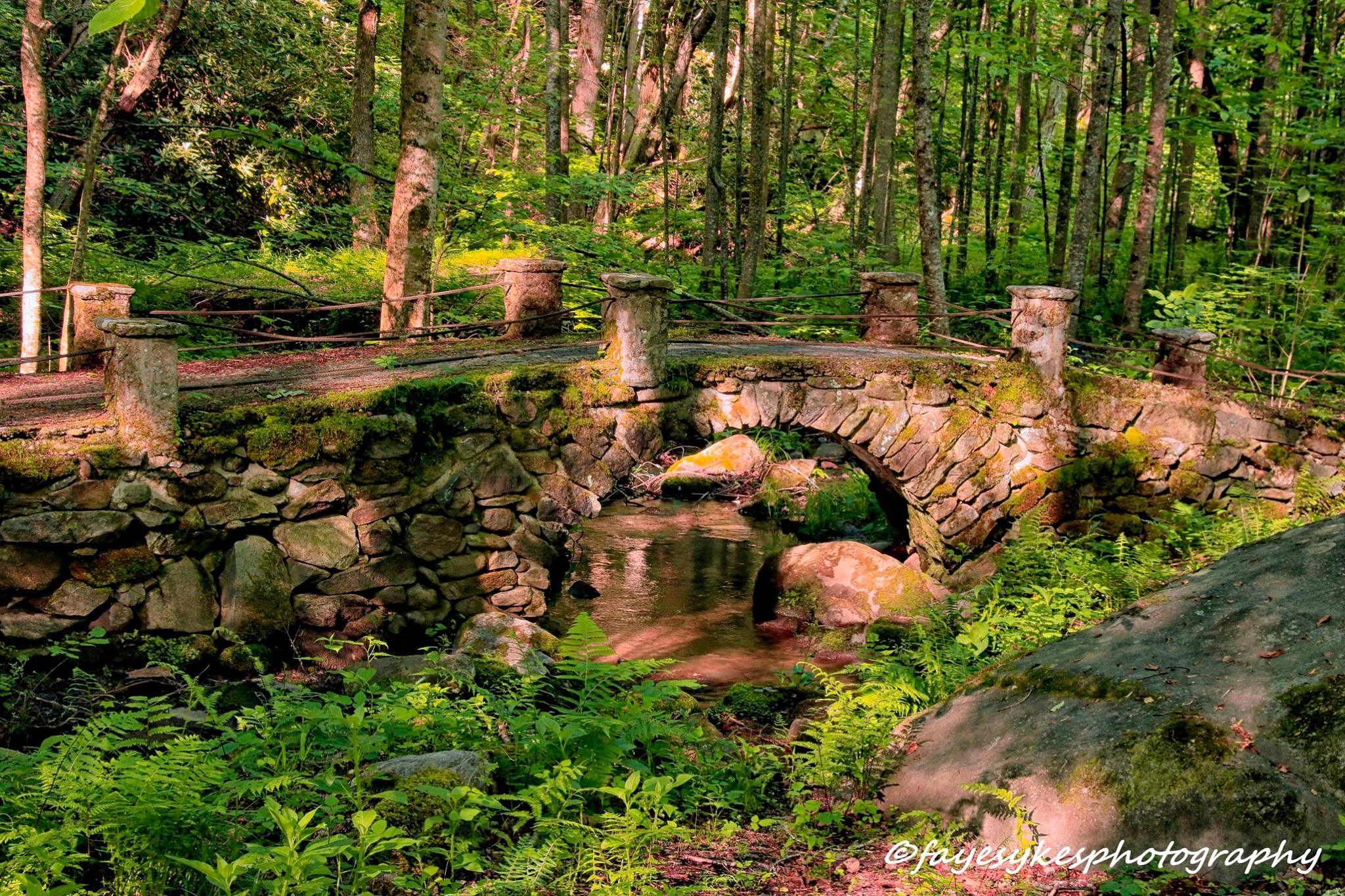
Hen Wallow Falls

Hen Wallow Falls and the Gabes Mountain Trail that lead out to it are located near Cosby, TN, a beautiful section of the northeastern area of Great Smoky Mountains National Park. One of the main benefits of this area is that it is generally a little less crowded than some of the more popular spots near Cades Cove and Gatlinburg. This gives you an opportunity to soak up some of the scenic mountain beauty without having to fight through the multitude of visitors during the peak visiting times.

Hen Wallow Falls

Hike out to Hen Wallow Falls

In order to get to Hen Wallow Falls, you need to hike Gabes Mountain Trail, a moderate 4.4-mile round-trip path (2.2 miles each way) that rewards you with up close views of one of the many charming waterfalls that the Smokies are famous for. The trailhead is located at the Cosby Picnic Pavilion, and most of it winds through dense forest. As a bonus, it’s a great place to observe the fall colors if you come during the right season.

Eventually you will come to Hen Wallow Falls, which may not contain the largest volume of water of any falls in the park, but it more than makes up for it with its dramatic height and cascading flow that fans out for 20 feet. The top of the falls reach 90 feet, and it’s a great place to stop for a snack or a light meal before returning to your car or venturing on for a more strenuous hike if you’re up for it. The main trail leads to the top of the falls, and if you want to see it from the base you can take a side trail that veers down some steeper switchbacks.

Enjoy the beauty of the area safely

Hen Wallow Falls and the entire Cosby area contain some truly lovely examples of indigenous Smoky Mountain natural features, and it’s important for everyone to stay safe whether you are taking a quick walk on a nature trail or venturing out for a backpacking adventure. Appropriate footwear is recommend for the hikes in this area. Because many trails in this area connect to the backcountry it’s a hot-spot for wildlife, so remember never to feed any animals, and always properly dispose of or pack out your food and waste. There’s plenty of water features to enjoy responsibly around here, and you’ll want to bring a swimsuit and towel if you plan to explore it. Also, it’s always a good idea to pack a dry pair of socks in case your feet get unexpectedly wet (they will).

Explore more of the natural attractions near the Cosby area

One of the main draws of Cosby is that it offers something for everyone, whether you want to drive up and have a nice afternoon picnic or embark on a serious hike. Even if you aren’t up for the hike to Hen Wallow Falls, there’s still plenty to do and see in the Cosby area that makes it well worth the trip, including the easy-to-walk 1-mile loop Cosby Nature Trail that is perfect for all ages.Consider making your way to a part of the park that some visitors pass by, and you’ll find a wealth of natural beauty and scenic spots that give you a true taste of the Smokies.

~~

You can find more waterfalls along some of the popular trails in the park. See our guide to more Waterfalls in Great Smoky Mountains National Park. And see more outdoor ideas in our Smoky Mountains Activities guide.

For more information see the Things to Do in the Smoky Mountains guide and also Things to Do in Gatlinburg With Kids. We have cabins throughout the area, so you can make your home-away-from-home base  station during your stay from among our Wears Valley cabins, our Pigeon Forge rental cabins or our Gatlinburg cabins If the family pet is coming too, see our lists of pet friendly cabins in Gatlinburg and Pigeon Forge.
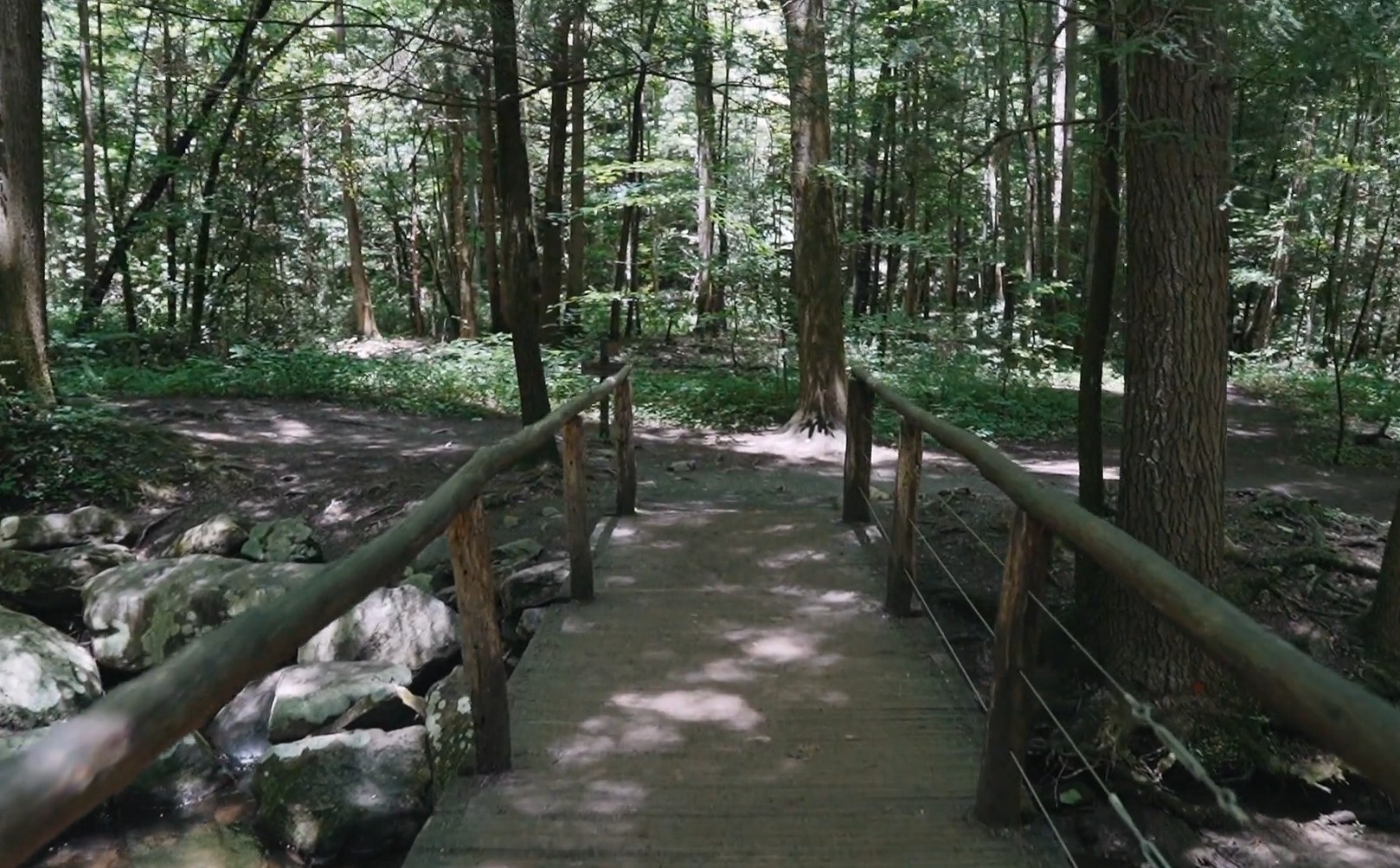
Exploring the Tremont Area in Great Smoky Mountains National Park

The Tremont area in Great Smoky Mountains National Park is a beautiful place to drive, hike, fish, swim and simply enjoy the outstanding natural scenery and the quiet. There are many destinations and points of interest within the area, each one in itself enough to make memories to take away from your visit.

Exploring the Tremont Area in Great Smoky Mountains National Park

Tremont Road begins from the road leading to Cades Cove very shortly after you leave the Townsend Wye. Look for your turn: as most traffic heads towards Cades Cove on Laurel Creek Road, you turn left. Tremont Road is paved, and leads to the Great Smoky Mountains Institute a couple of miles up the road.

But the adventure has already begun. The road follows alongside the Little River and later the Middle Prong of the Little River, and there are several pull-offs along the way to park and walk to the river. There are some great swimming holes too, so your family could actually park at the first suitable place and walk along the road or river, exploring this part of the area. There’s not much traffic on this road, since many people don’t know about it – and after you visit, you’ll hesitate to tell many people too.

If you keep on, you’ll get to the Institute. But just before you get there you’ll find the trailhead for the West Prong Trail. This trail is rated moderate and not too hard. It leads to Campsite 18, a back-country camping site that is totally gorgeous – some would call it the most beautiful campsite in the park. You can hike to the campsite and back again without needing to stay, and you’ll maybe meet a few seasoned trekkers during the hike. This could be a great taste of wilderness adventure without much exposure to the rigors of the wild.

Great Smoky Mountains Institute

At the Institute itself, there are many things of interest here, and you should visit the gift shop. Bathrooms are here also. The Institute is a residential center for young kids to learn the ways of the forest world, and the national park, with hands-on teaching. It’s an excellent place, and the people there know lots of things – it’s a place where could get a lot of good advice to save you time and expand your experience of the park.

When you get to the Institute, look for the trailhead to Spruce Flats Falls. This is a hidden gem (in an entire area of hidden gems) that you may wish to hike to – see our guide to Spruce Flats Falls: Beauty Worth Hiking For for the full story.

The entire Tremont area is a web of hiking trails leading into stunning natural scenery, and all the trails we mention here connect with numerous other trails and scenic destinations. If you’re a hiker, pick up a map and spend some time here.

You can also connect to the Elkmont campground area and Little River Trail from here, getting all the way to The Sinks at Little River Road (not to be confused with the Trail). It’s not an obvious route, but the connection is there if you’re up for some hiking. If you find Little River Road special in the same way that Tremont Road is, you may want to map out these connections.

Upper Tremont

Moving on past the Institute, we take the Upper Tremont Road, a maintained gravel road that is an old railroad grade. This goes for about 3 miles until it dead-ends at the Middle Prong Trail trailhead. There are pull offs along this stretch also, but if there’s no parking anywhere, you could always park back at the Institute and walk this way too. The road itself is a place to enjoy, and slowing down is the best way to do it.

All of Upper Tremont Road is like a journey into stillness and nature. You may see people fly fishing or wading in the many pools, exploring the creek along the way – it’s as pleasant to walk this road as it is to drive it, maybe even more so. It’s quite narrow for driving, but it’s wide open for walking, with a decent shoulder, and with little traffic (because no one tells anyone about this place).

This road is open for bicycles, by the way – NOT the trails of course. All paved roads in the park AND this 3-mile gravel stretch allow bikes. Upper Tremont Road feels like mountain biking, so feel free to get your fix here if you’ve been missing the pedals.

You can rent bikes in Townsend – see our guide to Mountain Biking in the Smokies for the lowdown on the whole region – and check out Smoky Mountain Outdoor Center in Townsend for bikes (and river tubing!). Our cabin guests get a free rental from this outfitter by the way, and Townsend is a nice place to explore, with a great network of greenways to bike on.

Middle Prong Trail

At the end of Upper Tremont Road, the richness of possibilities begins to make itself known. You could actually just walk anywhere you wanted and find a trail. But the best plan is to take the Middle Prong trail, and head for Indian Flats Falls. Not far along this trail is a turn for the West Prong Quiet Walkway, which you may want to explore also.

Exploring the Tremont Area in Great Smoky Mountains National Park

One tier of Indian Flats Falls

The Quiet Walkways in the national park are special places that park rangers have chosen as a short walk that plunges deep into nature, and many of them are very easy. See our guide to the Quiet Walkways of Great Smoky Mountains National Park for descriptions of some of them, including this one, the West Prong.

The Middle Prong Trail itself is an old railroad bed that follows alongside the Lynn Camp Prong as it tumbles down the mountain over numerous cascades. No pets and no bikes are allowed on this trail. This is also bear country, so be aware of this. There are two nice waterfalls about a half mile in and numerous smaller cascades along this trail. After about 4 miles, an unmarked spur leads off the trail to the right, but you’ll hear the rushing water of the Falls.

Indian Flats Falls comprises four tiers of waterfall, not all visible at once, and not exceptionally dramatic, but very lovely. This is the spot to explore, rest up, eat lunch, and just enjoy the surroundings. If you’re hiking on, Middle Prong Trail continues on for a mile or so and connects with other trails, all leading to worthy destinations.

Or you can start to wander back home, on the downhill slope all the way.


TIP: Also see our Insider’s Visual Guide to the National Park – and with an abundance of different cabins close to the park to choose from, check out our tips on How to Find an Affordable Gatlinburg Cabin, How to Find a Gatlinburg Cabin With Spectacular Views and How to Find a Secluded Gatlinburg Cabin.

Elkmont Campground Area – the Hub of Many Scenic Attractions

Elkmont Campground is the largest tent and RV campground in Great Smoky Mountains National Park and also the closest to Gatlinburg, 8 miles away. The campground is also beautiful, in a gorgeous setting.

With the Little River and Jakes Creek running through it, Elkmont offers some riverfront camp sites out of its 220 pads for tents and campers. The location offers a forest quiet, deep history with old cabins and buildings, and easy connection to several trails and scenic attractions.

Elkmont Campground Area - the Hub of Many Scenic Attractions

The Elkmont Area

If you’re staying in a cabin, you may want to drive to Elkmont just to see the lie of the land. You can park at the campground. It’s in the heart of some beautiful country, a great hub for day trips (and you may even want to get the taste of an overnight tent camping adventure). Little River Trail is adjacent to the campground, one of the easiest and nicest strolls through nature in the park. Also the Elkmont Nature Trail is here, which we include as one of our Easy Walks in the Smoky Mountains. Jakes Creek Trail is also right here, and connects with Cucumber Gap Trail and Little River Trail for a great hike. And the easy trail to Laurel Falls is not far away to drive to.

Elkmont is a destination to check out while touring along Little River Road with its many scenic attractions. It’s worth being familiar with where things are situated so you can plan your daily excursions from the cabin. If you’re in one of our Wears Valley cabins especially, you’re already in the immensely scenic Quiet Side of the Smokies, and the Elkmont area may be one of your designated play spaces. From here you’re close to Cades Cove and also Sugarlands Visitor Center.

The campground has no picnic area (it’s really only an overnight place) but it’s close to Metcalf Bottoms Picnic Area, which is a gorgeous place and also has a nice trail. These areas are superb during the spring wildflower profusion, and in the fall for the stunning color changes. Also, in June when the famous synchronous fireflies light up the area, the campground is right next to the prime viewing area for this unique phenomenon. All of these occasions might make it worth renting a tent for an overnight stay, and a chance to sleep with the sounds of the river in your ears.

Elkmont Campground

Elkmont is one of the several “front country” campgrounds operated by the park, with amenities such as flush toilets, running cold water, drinking water and 5-amp electrical outlets for medical equipment. You can drive into the campground and park at your site, except for 20 (very beautiful) sites that you have to walk to a short distance from the parking area. Each site has its own fire grate and picnic table.

While by contrast the “back country” campgrounds in the park need to be hiked to and offer even fewer amenities, the front country camps such as Elkmont are still very basic. The national park is a nature preserve and developed infrastructure is as minimal as possible. Those looking for a resort-style campground will find countless such places in the surrounding areas outside the park.

There’s no cell service at all in the campground – GPS and texting don’t work. There’s no dump station for RVs (Sugarlands is the closest) and no electrical above the 5-amp. There are no showers, and while you can splash in the river to your heart’s content, soap is prohibited.

The ranger station at the campground entrance offers advice on pay-showers close by outside the park, as well as maps and history literature and the latest weather forecast. The camp store sells most items you could need, including firewood – you can only bring certified firewood into the park or use local deadwood, to protect from invasive insect species, and this is a very serious concern. Similarly, this is bear country, and food storage and disposal is taken very seriously at Elkmont.

Pets are allowed at Elkmont subject to the standard park requirements of being kept on a 6-ft leash and kept off the trails. It’s good to know the rules and protocols to observe around bears and wildlife and also around flowing water in the park. The trout fishing in the Little River is excellent, by the way, in this area, as long as you have a license.

Adjacent to the campground is a the old settlement of Elkmont, which conveys a deep sense of history. Be careful around the old buildings, but enjoy this ghost town feeling, that hearkens back to an earlier age in time.

Useful Information

If you’re curious or planning to stay at Elkmont Campground, see the national park’s Elkmont Campground page and be sure to study the campground map to decide which campsite to book – many of the sites are quite close to each other. Also take note of the regulations.

Elkmont is closed for some of the winter, and offers reduced rates during part of the winter. In season, no walk0ins are allowed, and camping is strictly by reservation – go here to check availability and book online.

Generators are allowed in the campground, and there are generator quiet hours as well as camp-wide quiet hours. There are no gates and visitors are free to come and go at any hour. There are some ADA accessible sites.

Elkmont Campground Area - the Hub of Many Scenic Attractions

TIP: For more outdoor adventures in the Smokies, check out our Gatlinburg Hiking Trails, and our Smoky Mountains map page. And besides hiking, there are many fun outdoor things to do, which you can find in our Smoky Mountains Activities guide.

And wherever you target your activities in the park and the area, you can make it close to your cabin. We have rental cabins all over the area, including Wears Valley cabins, as well as our Gatlinburg cabins and our Pigeon Forge cabin rental.

Exploring the Greenbrier Area: Close Yet Deep in Nature

The Greenbrier area is a less visited part of Great Smoky Mountains National Park that offers captivatingly beautiful views, and water to play in or simply gaze at, all in a peaceful and heavily forested setting.

Greenbrier Road is an easy access from central Gatlinburg, but rapidly plunges deep into the forest silence broken only by the rushing water and the wildlife sounds.

Exploring the Greenbrier Area: Close Yet Deep in Nature

Pigeon River in Greenbrier

The road starts off paved but soon turns to gravel and becomes narrow and potholed. What’s to love about that? Well, it also runs alongside the Little Pigeon River, and while you can’t park on the roadside there are several places to pull off and venture the short walk to the river.

Not to be confused with the Little Greenbrier School and trailhead (in the Metcalf Bottoms area), Greenbrier Road starts off of Gatlinburg’s East Parkway (Hwy 321), about six miles east of the main Parkway. Go east at Light #3 and you’re on East Parkway. Greenbrier Road on the south side of East Parkway is also an entrance to the national park, possibly the least known and the least used entrance.

Greenbrier Road is six miles in length, leading past a Ranger Station at mile one, then the picnic area at mile three. About a half mile farther on is a scenic bridge across the Little Pigeon River, perfect for photographs. And then the turn onto Ramsey Prong Road leading to the Ramsey Cascades trailhead happens at about mile five. The road dead ends a little farther on at the Porters Creek trailhead. These are all names of great magic, well worth exploring.

You could park at the entrance to the park at the beginning of Greenbrier Road, and walk on in if you wanted to. Anywhere along the road you find a pull-off is a great place to stop and venture to the river. Everywhere along the river offers large rocks to clamber on or to watch the water splash over. There are places deep enough to float, and people go tubing and kayaking along here.

Just beware of slippery surfaces, and while the water depth is great for wading, the current can be fast – please be aware of how waters in the park can surge without warning, and follow the park’s guidelines on this.

The picnic area is small but very beautiful and slightly on the primitive side. It has about 12 tables and grills, and a pavilion that you can book for up to 70 people. But the only bathrooms are pit toilets, so you might not want to host a grand family reunion there. You’ll come to appreciate the lack of crowds, however. It’s a very peaceful spot.

The Greenbrier area is in old growth forest. Somehow this area escaped the massive logging that took a lot of the old trees, and so you can get a sense of the enormity of nature here. The two trails are worth knowing about also.

Ramsey Cascades features the tallest fall of water in the national park, at around 100 feet of waterfall. It’s a beautiful and spectacular waterfall, but the trail, although traversing beautiful old growth forest, is very strenuous, with some rugged terrain that calls for strong legs and good footwear, and trekking poles would be wise. The trail gains 2,000 feet in elevation, lasting about 4 miles each way (8 miles round trip). If you make it to the falls, be careful with your adventuring – people have lost their lives attempting to scale the falls.

Past the Ramsey Cascades turn, at the end of Greenbrier Road, lies a better proposition for the less accomplished hiker, the Porters Creek Trail which leads to Fern Branch Falls. This trail is moderately difficult but only 2 miles long (4 miles round trip). The trail offers wonderful natural scenery and a beautiful, 50-foot waterfall that’s perfect for a lunch break.

So this is the Greenbrier area. In springtime this is one of the best areas to see the profusion of wildflowers that explodes throughout the park, that people come from all over the world to see. The farther in and higher up you go, the more you’ll see. Also in fall, the colors of the leaves turning are lovely.

Everywhere along the Greenbrier Road is entrancing. It’s close enough to the main highway, yet deep in the woods and far away gone. If you explore this area, you’ll want to keep it to yourself – we just had to share it with you, but you get the point.

TIP: For more outdoor adventures in the Smokies, check out our Gatlinburg Hiking Trails, and our Smoky Mountains map page. And besides hiking, there are many fun outdoor things to do, which you can find in our Smoky Mountains Activities guide.

And wherever you target your activities in the park and the area, you can make it close to your cabin. We have rental cabins all over the area, including Wears Valley cabins, as well as our Gatlinburg cabins and our Pigeon Forge cabin rental.

The Cosby Area – Beautiful, Peaceful and Almost Magical

The Cosby area on the eastern side of Great Smoky Mountains National Park doesn’t get as much attention as some of the park’s more world-famous landmarks, but people who explore this scenic wonderland like it that way. Many of the star attractions of Cosby, such as the Cosby Picnic Area and various hiking trails, see less car and foot traffic in comparison and can be a great place to relax and explore.

The Cosby Area - Beautiful, Peaceful and Almost Magical

Cosby Nature Trail – photo courtesy of NPS

Enjoy a restful break at the Cosby Picnic area

One of the best reasons to check out Cosby during your next trip to the park is the Cosby Picnic area, which makes for a fantastic place to grab a bite and refresh yourself before or after your hike or drive. This picturesque picnic spot generally sees less heavy traffic than some of the others that are more centrally located, so you can usually spread out and enjoy some space while you and your family relax amidst the shady woods and peaceful sounds of the Cosby Creek. There is also a pavilion available to reserve if you plan on hosting a group gathering. (TIP: for more picnic areas in the park see our guide to Picnic Areas in the Smoky Mountains.)

Embark on the trail to Hen Wallow Falls

Driving through the Cosby area gives you an opportunity to see one of the signature waterfalls that the national park is known for without having to fight through the larger crowds around some of the more popular ones. Again, areas of the park that are located closer to Gatlinburg and Cades Cove tend to be more heavily trafficked, so you have a chance to see some quiet sights just by venturing a little bit off the most beaten paths.

The Gabes Mountain trail leading to Hen Wallow Falls is rated moderate and it’s a 4.4-mile round-trip hike (2.2 miles each way) to get a great view of this fantastic water feature. It’s possible for hikers of many different skill levels to complete this trail. The falls reach up to 90 feet in the air and there are even side trails you can take if you want to go down to the base and look at the sights from below. The Gabes Mountain trailhead to Hen Wallow Falls begins at the Cosby Picnic area.

Explore an enchanting nature trail with the kids

Another very cool feature in the Cosby environs is the magical Cosby Nature Trail that is suitable for all members of the family, especially children. This trail is a loop that is just over 1 mile long, and gives you a glimpse of the beautiful scenery of the backcountry without having to stray far from your vehicle. Expect to spot abundant wildflowers in the spring and early summer, and enjoy strolling over the charming wooden bridges that span the small creeks throughout the trail. The kids will have a blast!

See more of the beauty of the eastern side of the park

Whether you just want to stop by for a quick picnic and rest or head deeper into the woods on one of the trails, the Cosby area offers plenty of opportunities for exploration. During your next trip to the Smokies, all you need to do is plan for a quick drive from your cabin to reach Cosby, where you can get away from some of the crowds and immerse yourself in the tranquility of nature.


TIP: Also see our Insider’s Visual Guide to the National Park – and with an abundance of different cabins close to the park to choose from, check out our tips on How to Find an Affordable Gatlinburg Cabin, How to Find a Gatlinburg Cabin With Spectacular Views and How to Find a Secluded Gatlinburg Cabin.

Indian Flats Falls in the Tremont Area

Indian Flats Falls is a captivating destination, with a fairly easy hike alongside a creek, cascades and bridges along the way, and a beautiful, four-tier cascading waterfall that drops modestly a total of 60 feet across all the tiers.

Indian Flats Falls has a distinctive beauty that makes it a destination worth visiting. This is an increasingly popular waterfall in the park, so it’s best to make the trip early in the day if you want to avoid the crowds, especially during peak times.

Indian Flats Falls in the Tremont Area

One tier of Indian Flats Falls

Enjoy a creek-side trip along the Middle Prong Trail

To get to Indian Flats Falls you need to hike the Middle Prong Trail. This 4.1-mile trail each way mostly follows the Lynn Camp Prong creek, providing you with some of the quintessential forest and stream views and sounds that are so beguiling. You’ll pass two smaller cascading falls before you even make it to Indian Flats Falls, but you definitely want to go the entire way there.

The Middle Prong Trail itself is an old railroad bed that follows alongside the Lynn Camp Prong creek. There are two nice waterfalls about a half mile in, the two Lynn Camp Prong Cascades, Upper and Lower versions. The first one (at 0.4 miles) offers a bench provided by rangers especially to sit and enjoy the falls. There are numerous smaller cascades along this trail.Some people hike to this point and the next quarter-mile or so and turn back, for a roughly 1-hour excursion.

But if you continue on, after a couple of miles you’ll pass Panther Creek Trail to the left, and another mile or so will bring you to a bridge. Shortly after you cross the bridge, the trail veers away from the creek and climbs through some switchbacks – after these is where you need to listen for the falls and look for the unmarked spur leading off the trail to the right. This leads to Indian Flats Falls. If you overshoot, you’ll soon come to Lynn Camp Prong Trail – turn back about a quarter mile to reach the Falls.

At 8.2 total miles (4.1 miles each way), the hike is a significant length. However it isn’t one of the steeper mountain trails in the park, so most people should be able to accomplish it provided they have the time.

Safety tips for waterfalls and hiking trails

The Middle Prong Trail may be more flat than some, but you still need to exercise precaution when hiking it. Appropriate footwear is really sensible, because there is rocky terrain throughout the trail – your less tired feet and non-twisted ankles will thank you. Trekking poles are useful on this trail too. When you get to the falls, watch your footing and stay on the uppermost tier. You may see some people trying to descend into the lower levels, but the rocks are not easy to navigate and you risk destroying some of the vegetation surrounding the trail. This is a moss-covered area, which can be very slippery when wet. This trail is also bear country, which doesn’t pose any issues, but be aware how to deal with this situation.

Plan your trip for a day of fun

To get to the trail, take Tremont Road to the Great Smoky Mountain Institute. Here, you’re already in  magical country, but it gets even better as you travel the 3-mile gravel road known as Upper Tremont Road, to the Middle Prong Trailhead. Upper Tremont may be closed in winter. Besides the Institute – which offers bathrooms and a gift shop worth exploring – this area offers two other notable places in the vicinity to be aware of: one is another waterfall entirely to explore, and the other is a Quiet Walkway that should also not be missed.

The trailhead for Spruce Flats Falls opens up just before you get to the Institute. This waterfall is a hidden gem, and the moderate trail is worth taking to get to it – see our guide to Spruce Flats Falls: Beauty Worth Hiking For to learn all about this destination. Closer to your Indian Flats destination is the Thunderhead Prong Quiet Walkway, which splits off of the Middle Prong Trail very shortly after you embark on it. See our feature at the link for more about the relatively unknown gifts from the park service known as Quiet Walkways.

~~

For more outdoors adventures in the Smokies, see our Gatlinburg Hiking Trails, and our Smoky Mountains map page. You can find more great outdoor things to do in our Smoky Mountains Activities guide. And for even more tips, see our Things to Do in the Smoky Mountains guide, and especially Things to Do in Gatlinburg With Kids.

We have cabins all over the area, so pick your vacation headquarters from our Wears Valley cabins, our Pigeon Forge rental cabins and our Gatlinburg cabins – and if you’re bringing a pet, review our lists of pet friendly cabins in Gatlinburg and Pigeon Forge.
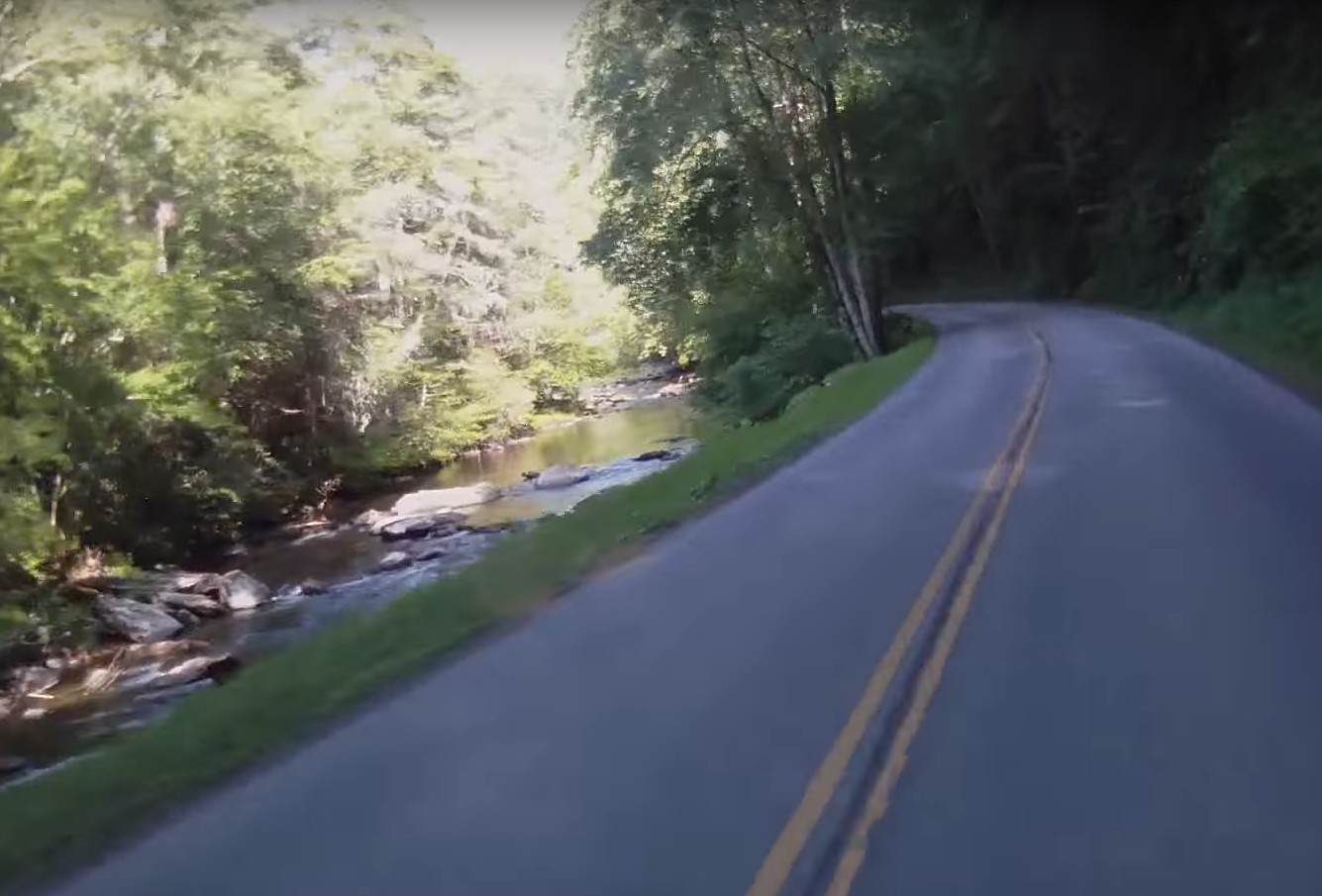
Baskins Creek Falls: A Less Visited Waterfall

Baskins Creek Falls is a less visited waterfall in Great Smoky Mountains National Park, at the end of a 1.5-mile one-way, moderate hiking trail. It’s a great waterfall to visit if you prefer avoiding crowds and are willing to do some hiking, but the trip itself requires some planning.

Baskins Creek Falls: A Less Visited Waterfall

Hike to one of the lesser known Smokies waterfalls

Every visit to the Great Smoky Mountains is made better with a waterfall, or maybe several. Most of them require a hike of some kind to get to (although two can be viewed by car). But the trails and waterfalls themselves can get crowded at times, with so many visitors to the park, so many people seek a  little more solitude. If this is you, and you’re up for a little activity without having to take a very long hike, the trip to Baskins Creek Falls might be just what you’re looking for.

The trail to Baskins Creek Falls is 3 miles round-trip, and is largely downhill on the way to the falls – which means back up the mountain on the return. These falls are one of the hidden gems of the park, and they offer a fantastic chance to see a the most compelling natural feature of the park without having to navigate through crowds.

Come prepared and hike safely

The hike itself is generally considered moderate, and most people in decent physical shape should be able to complete it without a problem. However, this is not the type of terrain that is suitable for strollers. There is some shallow water you need to cross on the trail, so bringing a pair of dry socks and a towel is always recommended. Additionally, you may want to utilize some trekking poles to help stabilize yourself on the uneven terrain. Make sure you come prepared with drinking water, because you will need it on the steep ascent.

Stop and savor the beauty of the falls

Once you’ve descended the 1.5 miles to Baskins Creek Falls, the fun is just beginning. Enjoy the views of the two-tiered, 40-foot tall waterfall that cascades down the rock face in front of you. It’s not the tallest or the most powerful waterfall in the mountains, but it is a stunning view and a beautiful spot to relax for a while.

You may want to stop for a rest, snack, or a picnic because you will need your energy to make the return, which is largely uphill. Also plan for the return to take longer than the initial descent did, because you will be traveling more slowly on the incline.

Explore as much or as little as you want

To get to the Baskins Creek Falls trailhead go you’ll need to enter Roaring Fork Motor Nature Trail and drive about 0.2 miles. The trail to the falls is connected to several other trails, including one that takes you to Baskins Creek Cemetery, and a trail that continues on to another section of the Nature Trail – which you can start from also of course.. You can customize your hiking experience by journeying on to one or several of the connected trails, or you can complete only the 3.0 miles to the falls and back.

Again, this is not a long hike by any means and will be considered easy by some, but there is some rough terrain to navigate and the uphill trek back requires decent fitness. The nice thing about this trail is that you’re already on Roaring Fork – so if the crew doesn’t feel up to it that day, you can just keep motoring along, and visit the many other wonderful sights along the Motor Trail.

There are many ways to get into nature in and outside of the national park, and if you want something that is less strenuous but still gorgeous, check our guide to the Easy Walks in the Smoky Mountains – which details numerous ways to get outdoors, sometimes without even breaking a sweat. And also see our guide to Waterfalls in Great Smoky Mountains National Park.

~~

For more outdoors adventure, see our guides to Gatlinburg Hiking Trails, and our Smoky Mountains map page, as well as more outdoor ideas in our Smoky Mountains Activities guide. Check out our Things to Do in the Smoky Mountains guide as well and the all-important, Things to Do in Gatlinburg With Kids. And remember we have cabins all over the area, so pick your vacation headquarters from our Wears Valley cabins, our Pigeon Forge rental cabins and our Gatlinburg cabins – and if you’re bringing a pet check our updated list of pet friendly cabins in Gatlinburg and Pigeon Forge.
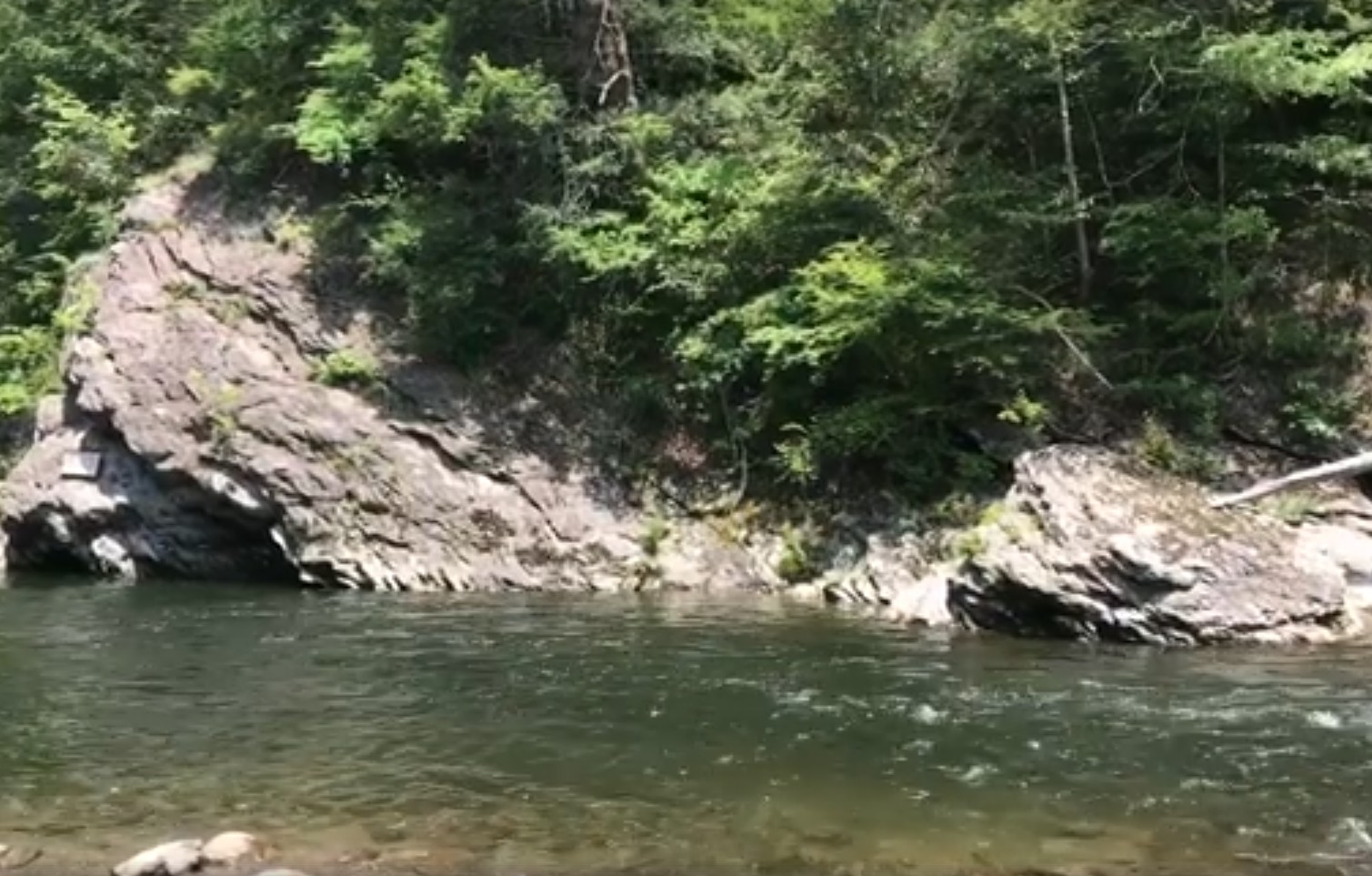
Black Bears & Wildlife in Great Smoky Mountains National Park

Great Smoky Mountains National Park is home to over 1,500 black bears in the wild. With ten million human visitors each year, the park pulls off a remarkable feat keeping the wildlife wild, and the humans tame – so we guests in the park don’t damage the animals, their well being or their habitat.

Image courtesy of NPS

Images courtesy of NPS

Everyone loves to see a bear, but the rules of the park demonstrate why cameras have zoom lenses. Federal law requires us to keep a distance of 50 yards from bear and also elk, which are equally dangerous to humans. Feeding bears or other wild animals will shorten their lives. If you ruin their wildness and show that humans are a source of food, eventually park rangers will have to euthanize them for the public safety. Don’t feed the animals!

As well as installing bear-proof dumpsters and trash cans everywhere for humans to use, park rangers have developed numerous ways that work in the background to discourage bears away from human gathering places. These practices have greatly reduced the numbers of bears that have had to be killed or taken away.

Keeping bears and humans separate is also a safety issue of course. It’s easy for us to forget that these are wild animals – unpredictable, easily aroused, and very dangerous. People get hurt in bear encounters gone wrong.

Bears seem slow and easy moving – until humans get too close, especially if those cute little bear cubs are straying too far from mama bear. Then you’ll see how quickly bears can move – they can run up to 30 miles per hour, they swim like champions, and they can climb trees higher and better than we can.

How to Behave Around Bears and Wildlife

Rule Number 1 around all wildlife you see in the park, but especially bears, is to keep a distance. If an animal stops what it’s doing, it’s because you’re too close. Back away gently and increase the distance until the animal goes back to what it was doing. If animals change their behavior, you are the cause.

Close contact with humans is detrimental to all wildlife in the park. Don’t approach animals and don’t let them approach you. Observe some of the basic guidelines of the park. Learn what 50 yards is like in mountain terrain. TIP: it’s half the length of a football field between the end zones. Picture this in your mind as you survey the terrain, and keep this distance away from wildlife.

Image courtesy of NPS, photo by Warren Bielenberg. Black bear in Cades Cove

Photo by Warren Bielenberg. Black bear in Cades Cove

If you’re hiking, consider carrying an approved pepper spray with you in case of an accidental encounter with a bear. And check the “Bear Closures” and “Bear Warnings” section of the Temporary Closures page before planning a hike in the park. This is a good reference page for all visitors before they take a trip to any section of the park.

Almost always, gradually increasing the distance between you and an animal such as a bear will result in peace all around. But if a bear starts coming closer to you, it’s important to know what to do. In the extreme, you may find yourself fighting for survival!

For all these reasons it’s worth studying the park’s website page on Black Bears, especially the safety tips.

The chances are good for spotting black bears in Great Smoky Mountains National Park. Cades Cove is one of the best places in the park to see bears, and all wildlife. But keep in mind always, don’t move in for that great photo – give it up, or be like the local photographers and have a good zoom on your camera, and view from a distance.

Here’s a great 6-minute video about how to treat bears in the Smokies – especially how to know when you’re too close, and what to do next. It’s worth saving as a reference. Thanks to Great Smoky Mountains Association.


Also see our Insider’s Visual Guide to the National Park – and with an abundance of different cabins close to the park to choose from, check out our tips on How to Find an Affordable Gatlinburg Cabin, How to Find a Gatlinburg Cabin With Spectacular Views and How to Find a Secluded Gatlinburg Cabin.

Save

Winter Hiking Trails in Great Smoky Mountains National Park

Here are some suggested trails for winter hiking in Great Smoky Mountains National Park. This offers snow and ice in comparatively mild temperatures with accessible trails ranging from dead easy to challenging, and great scenery to traverse through, with visibility enhanced from the lack of leaves on most of the trees. The park is open all year with no admission fee.

While the summer crowds are gone, there are still people about in winter, many with the same idea of hiking the trails – and especially visiting the waterfalls in hopes of seeing one frozen. As always, start early in the day for the quietest time, and in winter allow extra time for round trips and remember daylight is shorter.

Take the usual precautions and preparations for winter hiking conditions: print a map and take a compass, take an energy snack and water, wear layers and have spare (dry) socks. Trekking poles are a good idea at any time of year, and crampons or cleats are a great investment for winter conditions in the park. Check the weather and any closures before you go – some trails may close literally overnight from temporary conditions – and let someone know your itinerary and timetable.

Winter Trails

For some of the easiest ways to get outside in nature, check out our guide to Easy Outdoor Adventures. Much of the advice there will apply to winter, but of course always check ahead for seasonal closures (such as the Roaring Fork Motor Trail). The Nature Trails are especially worth checking out in winter.

Metcalf Bottoms Trail

For an easy and family-friendly hike, consider Metcalf Bottoms. A cool oasis in summer, the short and level trail (1.5 miles each way) makes a nice excursion in winter, with a picnic area to recover afterwards.

Laurel Falls

Laurel Falls is low elevation, with a short and easy trail to approach a very popular waterfall. If the waterfall is partly frozen when you see it, you’ll remember it for the rest of your life, so you can see why lots of people go there, but in winter the crowds are greatly thinned.

Do remember that when we say “easy”, you still need good footwear and to be careful, because a sprained ankle (or worse) will ruin your visit, and you can pick such a sprain up “easy” on any of the rocky and tree-root covered trails in the park.

Cades Cove

This is the most popular destination in the park, so you’ll see people at any time of year. It’s lower elevation so conditions may range from easy to muddy. If you’re in this area in winter, try the Nature Trail for an easy walk with the family. In winter, the only way into Cades Cove is via Laurel Creek Road, and if you travel this way, consider a detour along Schoolhouse Gap Trail – check a map to see where the trailhead begins.

Schoolhouse Gap Trail

This is an old roadbed with a gentle slope. It can get slippery coming back, and it’s 4.1 miles each way. This trail is great for spring wildflowers, and there are no stunning views but it’s a nice walk in the woods. This is bear country but that’s not a problem in winter. This is also a horse trail so keep your eyes on where you walk. A peaceful walk.

This is in the Tremont Area (and in any time of year you should know about the Special Areas of the National Park), and if you’ve approached Cades Cove or Schoolhouse Gap, you’re in the vicinity of Indian Flats Falls, which is beautiful and usually accessible in winter if you’re a bit of a hiker. If you’re really a hiker, and have good ice traction on your boots, you may want to consider Spruce Flats Falls also – this can be a slightly dangerous trail in places, with a steep drop-off, so it’s only for careful hikers.

Hen Wallow Falls

This waterfall could easily be frozen over in the dead of winter. Hen Wallow Falls are in a beautiful part of the park, with a relatively short (2.2 miles each way) trail that’s rated moderate in difficulty. If you decide not to take the trail, you’re still in the Cosby area, which offers some lovely attractions for the whole family to enjoy, including the nature trail.

Porters Creek And Fern Branch Falls

Staying in the eastern side of the park, check out Porters Creek Trail which leads to Fern Branch Falls – a great trail with a great waterfall. This is fairly low elevation and should be accessible in winter. This is easy to moderate to hike, but can be rocky and will be wet or icy, so be one of those careful hikers. This trail and falls are in the Greenbrier Area, a location in the park worth knowing about.

Alum Cave Trail

One of the most popular trails in the park, this hike offers fabulous views made even more captivating in winter. The hike is not that long, under five miles round trip, but the elevation gain is significant and it will take a bit of puff to climb. In summer after rain the trail can get slippery in parts, and the drop-off is steep, so be doubly careful in winter. Again, this one is best advised for the more serious hiker, but the views are worth the effort.

Mouse Creek Falls

For a waterfall trail that’s a little off the beaten path, head along I-40 across the park to the border with North Carolina and take Exit 45 to the Big Creek Trailhead. Big Creel Trail is easy and family-friendly, and leads to Mouse Creek Falls. The trail is a little over 2 miles each way, a creekside walk with much to see along the way – including a great swimming hole that you may want to remember for your next mid-summer visit. If the Falls are frozen, get out your camera.

There are many select spots to visit and hike to during winter, and this has been just a small sample. Check out our many guides to Outdoor Activities and Great Smoky Mountains National Park to study the vast range of possibilities, and to start building your own catalog of great winter hikes.

Clingmans Dome Observation Tower

Clingmans Dome is a highlight for anyone exploring the Great Smoky Mountains National Park. Standing tall at 6,643 feet, it is the highest point in the park and offers some of the most breathtaking views you’ll find in the Smokies.

Clingmans Dome Observation Tower

Why Visit Clingmans Dome?

The observation tower at the top is an iconic structure that provides a 360-degree view of the surrounding mountains and valleys. On clear days, you can see up to 100 miles across seven states. Even when it’s foggy, the mystical atmosphere and the feeling of being above the clouds make the visit worthwhile.

The Journey to the Top

Reaching the top requires a half-mile walk from the parking area. Though it’s steep, the path is paved and well-maintained, making it accessible for most visitors. There are benches along the way if you need to rest. As you ascend, the changing scenery—from lush forests to stunning mountain vistas—adds to the experience.

More Than Just a View

Beyond the observation tower, the area offers several hiking trails that cater to different levels of fitness and adventure. The Forney Ridge Trail, starting near the Clingmans Dome parking area, leads to Andrews Bald, a beautiful grassy meadow perfect for a picnic or a relaxing break. The Appalachian Trail also crosses Clingmans Dome, so you can even set foot on this famous long-distance trail.

When to Visit Clingmans Dome

Clingmans Dome is open year-round, but the road leading to it is closed from December 1 through March 31. The best time to visit is during the spring, summer, and fall months when the weather is milder. Fall is particularly spectacular with the changing colors of the leaves providing a vibrant display.

What to Bring

Make sure to dress in layers, as temperatures at the top can be significantly cooler than in the lowlands. Comfortable walking shoes are a must, and don’t forget your camera to capture the incredible views. Bringing water and snacks is also a good idea, especially if you plan to spend time exploring the trails around the dome.

Educational Opportunities

The Clingmans Dome Visitor Center, open from April to November, provides educational exhibits about the area’s unique environment and the efforts to preserve it. Rangers are available to answer questions and offer insights into the natural and cultural history of the Smokies.

A Memorable Experience

A trip to Clingmans Dome is a highlight of any visit to the Great Smoky Mountains National Park. Whether you’re there for the stunning views, the invigorating hike, or the chance to learn more about this unique environment, Clingmans Dome delivers an unforgettable experience.

Ready to see the Smokies from their highest peak? Plan your visit to Clingmans Dome and make memories that will last a lifetime.

Along the Road There

There are more than 380 miles of roads running through the Smokies, making this an ideal destination to visit by car. Many roads are paved, and the gravel roads are well maintained. You can reach the peak from either the North or South park entrances. If you want to stretch your legs during the car ride, there are many pull-offs and historical sights on the way to the Dome.

Highway 441, also known as Newfound Gap Road, rises nearly 3000 feet. Along that journey, visitors can enjoy a trip through a wide variety of forests that include hardwood, pine, oak, and spruce-fir. It has been compared to a trip from Georgia to Maine in terms of the different environments you’ll see as you go along. Keep your eyes open for can’t-miss sights including the famous Newfound Gap Overlook.

Other Attractions in the Park

If the parking lot is full or the crowds are too heavy, there’s plenty you can do after enjoying the views at the top. Consider a moderate-difficulty hike to Andrew’s Bald. This high-altitude meadow offers a different view of the mountain scenery. It’s a great place for a lunchtime picnic.

Meanwhile, if you’d like to taste the Smokies without the long drive up Clingmans Dome, check out the Spruce-Fir Trail. This hidden gem, not included on the park’s tourist map, is a great easy walk of just a 1/3 mile. The route, accessible through a small pull-out at mile marker 2.7, is a mostly flat self-guided nature trail where you can see the forests this park is famous for even if you’re short on time. Here you can see boreal fir forests similar to those found in Maine and Canada, making it one of the most unique environments in the Smokies.

Also see our guides to Gatlinburg Hiking Trails, and our Smoky Mountains map page, as well as more outdoor ideas in our Smoky Mountains Activities guide. Check out our Things to Do in the Smoky Mountains guide as well and the all-important, Things to Do in Gatlinburg With Kids. And remember we have cabins all over the area, so pick your vacation headquarters from our Wears Valley cabins, our Pigeon Forge rental cabins and our Gatlinburg cabins – and if you’re bringing a pet check our updated list of pet friendly cabins in Gatlinburg and Pigeon Forge.
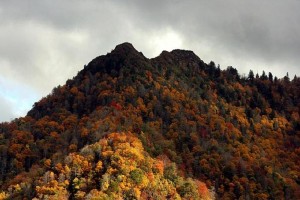
The BIG LIST: Festivals in Gatlinburg and Pigeon Forge

Festivals and festive events happen all year around in the Smoky Mountains area of Gatlinburg and Pigeon Forge. Hundreds of thousands of people plan their visits according to particular events and seasonal activities. Here’s a calendar of seasonal festivals and festivities to help you know what’s going on when you come to visit.
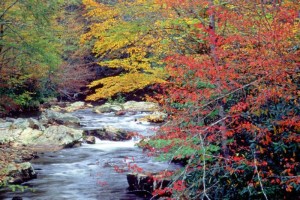
Scroll down to see events in Spring, Summer, Fall and Winter.

Back to Top

Spring Events

  • Wilderness Wildlife Week
    Jan-Feb. Every year, Pigeon Forge hosts a week of programs known as Wilderness Wildlife Week. Free and open to the public, the event offers hundreds of experts presenting workshops, seminars, children’s educational and fun activities, and guided hikes in Great Smoky Mountains National Park. It’s a celebration of the abundant diversity of the area, its wildlife, history and countless natural attractions.
  • Valentine’s Day
    February. The Smoky Mountains are a hugely romantic setting, and we see a lot of weddings and honeymoons here. For many people it all begins on Valentine’s Day, with a proposal, often in one of our romantic cabins. This is the real beginning of Spring for many a tender heart.
  • Winter Carnival of Magic
    Early March. A multi-decades long tradition, the Winter Carnival of Magic in Pigeon Forge offers evening shows, competitions and lectures. The Carnival attracts professional magicians from throughout the United States, performing and teaching. This event is great to catch out-of-town talent, and to learn more about the art of magic itself.
  • Festivals at Dollywood
    March-April. One of several festivals staged at Dollywood throughout the changing seasons each year, the spring festival opens the theme park’s year with the celebration of this season. With Dollywood, there are always wild sights to behold, along with music, performance and mouth-watering food.
  • Easter Sunrise Service
    March-April. Nothing marks spring like Easter, and Pigeon Forge is the place where the kids have fun with Easter Bunnies and hidden eggs. Meanwhile in Gatlinburg, hundreds of people take the Aerial Tramway, or drive up, very early in the morning of Easter Sunday, to see the sunrise from Ober Mountain, or take the SkyLift up to Gatlinburg SkyPark for this venue’s Easter sunrise service..
  • Easter Arts & Crafts Show
    April. Arts & Crafts are everywhere in this area, one of the most populous for independent artists. Local artisans have spent too much time indoors through the winter – come spring, they’re eager to show their new wares in this free and always happy event (also great shopping!).
  • Rod Run – Spring
    April. Pigeon Forge loves peace and quiet – except when it comes to muscle cars and hot rods! The Rod Run in spring and again in fall is a chance to see some of the best paint jobs, and hear some growling engines, in a weekend party that makes traffic, uh, congested – but never boring!
  • Wildflower Pilgrimage
    Late April-Early May. The unique biosphere of Great Smoky Mountains National Park nurtures a vast array of plant species, but the ground is mostly in shade during the growing season. In late April, 1,500 species of brilliant wildflower cover the entire forest floor and mountain slopes for a few weeks until the trees leaf out fully overhead. People come from all over the world to see this – it’s a lifetime memory.
  • Bloomin BBQ & Bluegrass Festival
    May. Just up the road from Pigeon Forge, the fun town of Sevierville holds a downtown street party every year that’s not to be missed. It’s just what it says, with bluegrass all weekend and a massive barbecue cook-off – expert chefs from all over, and drive-you-crazy aromas in the air. There’s a friendly pig character roaming the street who loves to give out hugs to kids, and the whole event is designed to include children in all the fun.

Back to Top

Summer Events

  • Synchronous Fireflies
    Early June. Every year a miracle of nature happens, as fireflies gather in a few areas in the Smoky Mountains in their thousands and light up their trailing glows in the dark – but they do it all together, in synchronized time. Science can’t explain it. Southeast Asia is the only other place in the world where this happens. Tickets to watch this in the National Park sell out daily in 10 minutes!
  • A Mountain Quiltfest
    Early June. Pigeon Forge receives 20,000 fans of quilting for some of the greatest quilts you’ll see anywhere. Many categories, and prizes totaling $20,000. Packed into 4-5 days, with many public displays as well private appraisals and registered seminars.
  • Tunes & Tales – Summer
    Mid-June to Early August. Take a stroll around Gatlinburg during summer and you’re likely to run into little groups of musicians playing bluegrass tunes, as well as characters dressed in period costume, and storytellers gathering a small crowd to lend an ear. It’s Tunes & Tales, a Gatlinburg thing – immensely popular. Don’t be surprised to see Zeno the bear giving out hugs too.
  • Free Trolleys
    Mid-June to Mid-August. Take the Gatlinburg trolley for free along Parkway to 40 stops during summer. Specially painted trolleys take you on a micro-crawl of the area, a great way to shop and see the things you might have missed.
  • Fourth of July Parade – First in the Nation
    July 4th (at 12:01 am!). Every year for 4 decades, Gatlinburg wakes up the country early with its annual “First Fourth of July Parade in the Nation”. At midnight on the 3rd, 100 floats and entries of all kinds set off down Parkway, led by a crack military band. As many as 100,000 people make it in for the event. The daytime spills over to Pigeon Forge for its own parade and celebrations. Huge fireworks displays are staged in both towns, with lots of family fun events everywhere.
  • Craftsmen’s Fair – Summer
    July. Arts and Crafts are big in Gatlinburg – see for yourself at the Craftsmen’s Fair, which happens twice each year, in July for 10 days and again in October. You can browse around 200 booths of unique artisan presentations – a vast display for buying or window shopping. It’s a super friendly occasion to mingle, watch demonstrations, listen to bluegrass, and even commission custom works from artists.

Back to Top

Fall Events

  • Rod Run – Fall
    Mid-September. Ever the motor town, Pigeon Forge shows what a strip is for, with drive-bys from muscle and custom cars in a day and night weekend party that stays in cruising mode in celebration of America’s legendary automobiles.
  • Harvest Festival
    Mid-September to October. A multitude of events bursts out across the whole area with a festive air. Every place  is suddenly decked with straw, scarecrows and pumpkins. Arts and crafts appear on display again. There are hay rides, live entertainment, food, hot cider – and the air is filled with music.
  • Dumplin Valley Bluegrass Festival
    Mid-September. This high-talent festival is a well kept secret about 25 miles from Gatlinburg. Top national performers entertain a 3,000-strong crowd in a super, super-friendly venue with lots of food and constant music focused on bluegrass, with some rocking country too. Dumplin Farm has 170 RV parking sites and some tent camping – it’s a festival village, usually booked months in advance. Many guests bring instruments, there are great jams. Day-trippers welcome, tickets at the gate.
  • Fall Colors in the Smokies
    October. To many people, this is THE event of the year, a very busy time in Great Smoky Mountains National Park as people come to witness the astonishing color changes produced by 100 different species of tree, across several thousand feet of elevation change. The colors begin in late September on the mountaintops and roll down slope over several weeks, lasting into early November. Park rangers predict the peak-color dates for different areas.
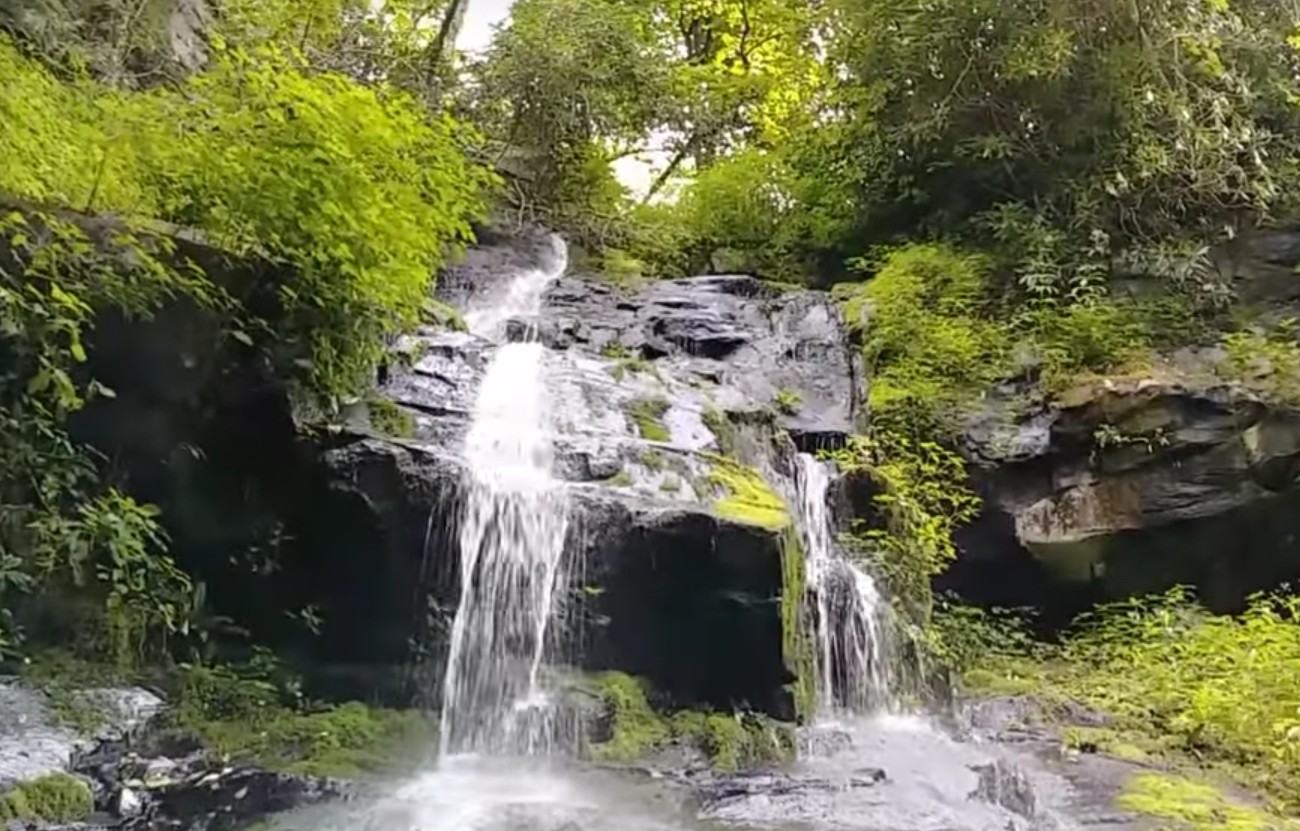
  • Craftsmen’s Fair – Fall
    October. The Fall Craftsmen’s Fair, held in Gatlinburg’s huge Convention Center each year, lasts 18 days and presents a huge assortment of unique art and craft, with around 200 booths selected for their uniqueness and quality, and representing every medium you could think of (and then some). Attracting jury-approved artisans from across the country, who join the area’s own huge community of artists, this is one of the Southeast’s “Most Popular Events”.

Back to Top

Winter Events

  • Winterfest / Winter Magic
    November-February. Winter means another season to celebrate and have fun! Watch the lights come on in Gatlinburg, Pigeon Forge and Sevierville – each town one day after the other, and each with literally millions of Christmas lights. Dollywood joins in too, with a few million more, and these are synced to music! The festivities season has begun, with multiple events all through winter.
  • Winter Tour of Lights
    November-February. The trolley systems of Gatlinburg and Pigeon Forge used to run special evening tours of the millions of Christmas lights blazing throughout both towns. These tours have evolved into self-guided tours, and the inside info on the best lights to check out remains as priceless as ever to visitor and local alike.
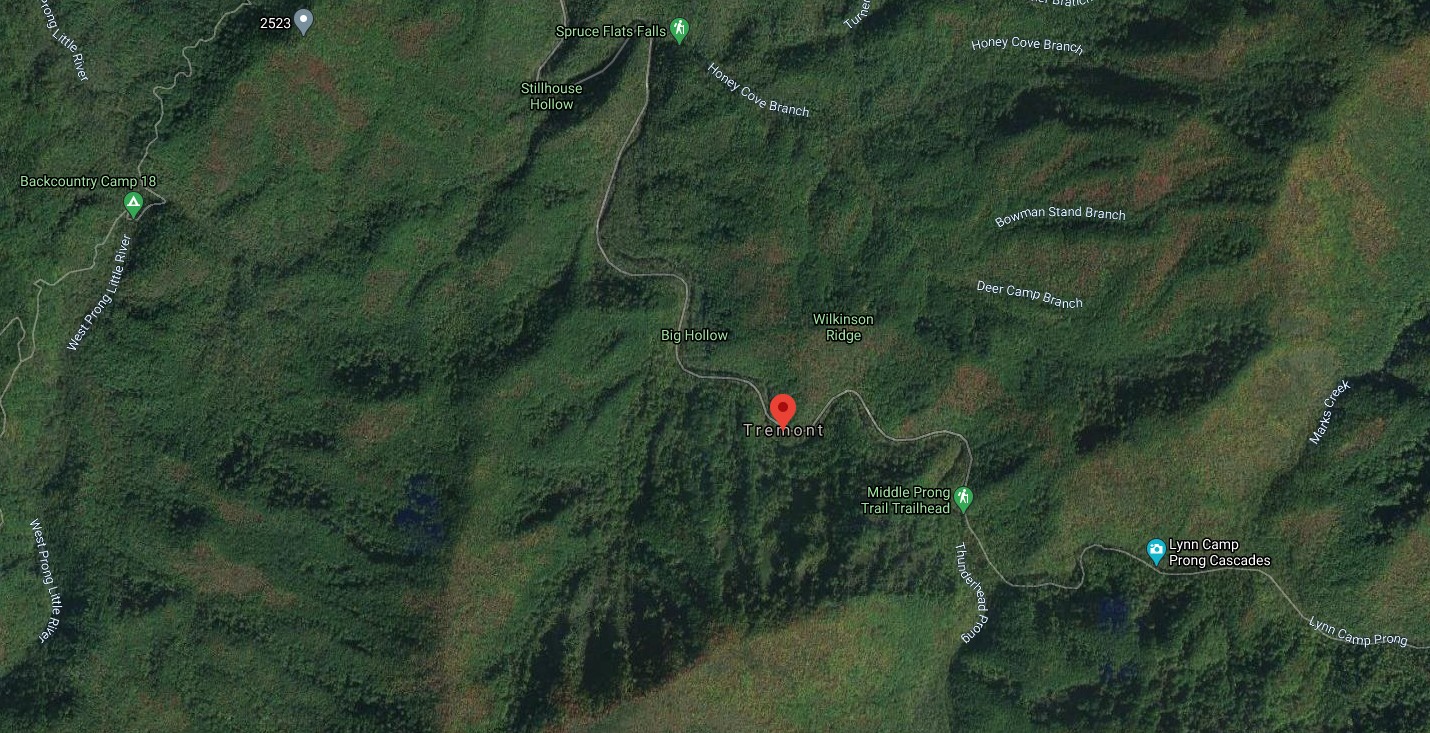
  • Tunes & Tales – Winter
    Thanksgiving-Christmas. Take a stroll along downtown Parkway in Gatlinburg on a Friday or Saturday evening during this time and fall in with some strolling carolers, stop and listen to a storyteller, or watch the various characters dressed in Dickens-style Christmas garb. It’s Tunes & Tales, the popular summer event dressed up warm for the Christmas celebrations.
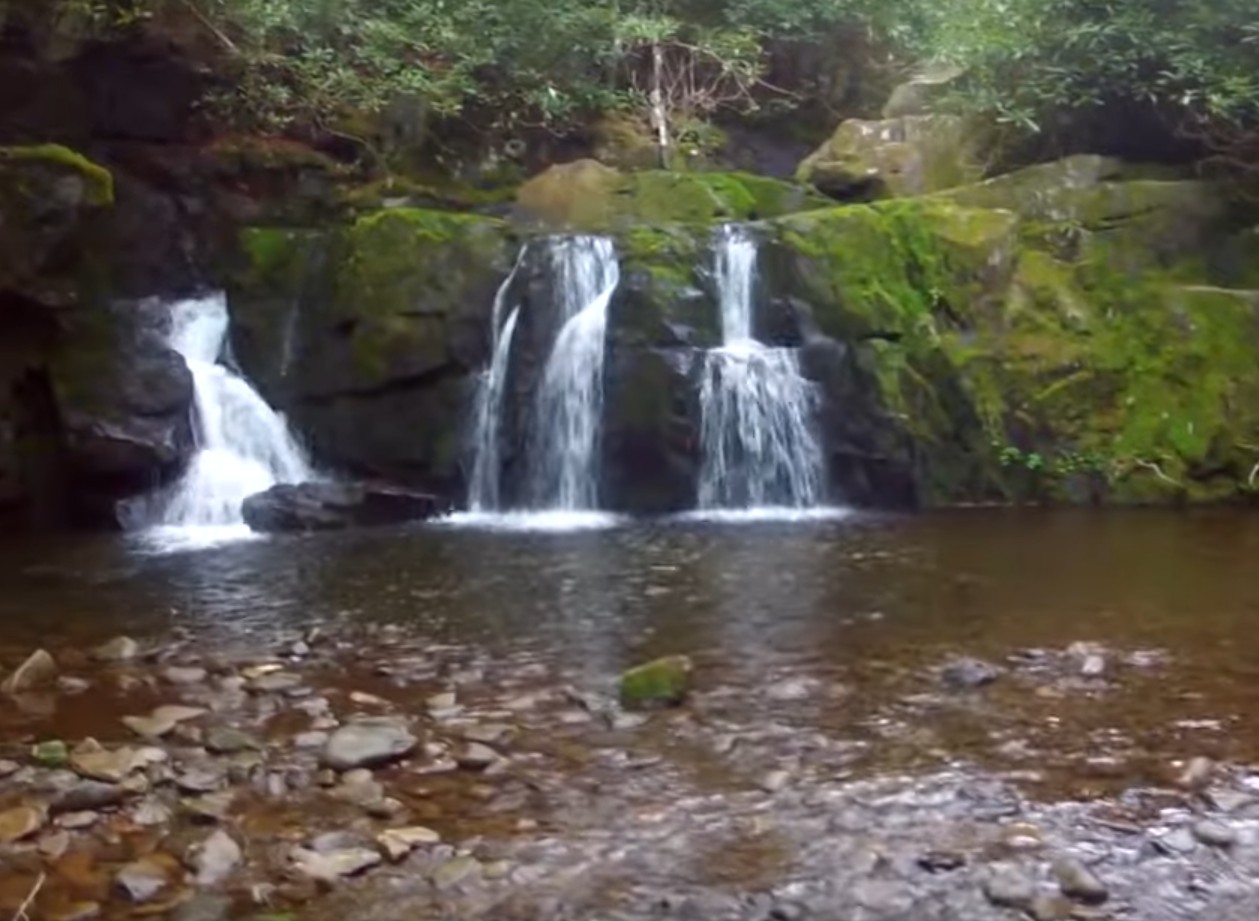
  • Ski Season at Ober Mountain
    Thanksgiving-Easter. Winter means only snow to the people at Gatlinburg’s ski resort, and it can’t come soon enough. With some formidable snow-making equipment to assist Mother Nature, Ober Mountain can run a pretty lengthy season – starting and ending with the fun and no-skills-required Snow Tubing!
  • Thanksgiving & Christmas Craft Shows
    Late November – Early December. The artisans of Gatlinburg and the area convene for the last week in November and the first week in December with two crafts shows held back to back. The Thanksgiving-themed show offers gifts perfect for home and family with that lingering touch of harvest festival. Clearing the decks for the second show, here come the unique Christmas items and gifts. It’s a shopper’s paradise with high quality and memorable gifts, including for yourself.
  • Christmas in the Smokies Bluegrass Festival
    Mid-December. Awarded and chart-topping bluegrass performers Lorraine Jordan and Carolina Road call Pigeon Forge home for the 4-day Christmas festival they headline every year. Gathering a dozen or so other highly accomplished performers for the festival each year, they offer us several shows of high-energy music through the days and evenings, with outstanding jams and a tidal wave of great music – the perfect party feel for the time of year.
  • New Year’s Eve in Gatlinburg & Pigeon Forge
    December 31. New Year’s Eve celebrations in Gatlinburg and Pigeon Forge offer two great venues bringing the long-anticipated excitement of free concerts, live and DJ music, specials in local restaurants and theaters, crowds of revelers, millions of seasonal lights and massive fireworks to ring in a brand-new year at midnight.
  • Spring Fling
    January-March. They may call it a spring thing, but up at Ober Mountain, January is deep in winter, deep in snow, and getting better every day. It’s time to enjoy some advanced moves from snowboarders and skiers along boxes, pipes and rails in the Freestyle sessions. Several events through this season.

Back to Top

Country Tonite, the “Best Live Country Show in America”

Get a Free Ticket to Country Tonite, plus over $700 in other coupons, when you book a cabin. Call 866 34 SMOKY for details.

In Pigeon Forge there’s one show you don’t want to miss and it’s Country Tonite. The spectacular show features a variety of song, choreography, comedy and costume, impressive for the sheer quality of the talented performances and the seamless flow of the fast-paced, dynamic show.

Country Tonite says it puts on the One Show you don’t want to miss, and plenty of fans make sure they don’t, even planning their annual trip to Pigeon Forge around it.

Image courtesy of Country Tonite

Image courtesy of Country Tonite

The singers, dancers, musicians and comedians of Country Tonite present a range of music from today’s country hits to old favorites, and including some rousing gospel. Country Tonite says that you don’t have to like country music to love the show, and fans agree.

But the show IS paradise for country lovers – watch for the national performers and Country Music Hall of Fame legends appearing in the Celebrity Concerts staged monthly during most of the year.

See for yourself why Country Tonite is the most awarded show in the Smoky Mountains. It’s a five-time winner of “Show of the Year” by Country Music Associations International. Readers Choice Awards calls it the “Best Show in the Smokies” and Country Music Associations of America names it the “Best Live Country Show in America”.

The family-friendly show offers great value with an affordable price and a long show, around two hours filled with non-stop entertainment.

Country Tonite is good for kids, who get in free aged 12 and under. The comedy is clean and funny and also created so kids can understand and enjoy it. Even better, and uniquely for the area, the show always includes youth performers as well.

Since 1996, Country Tonite has delighted audiences of all types in Pigeon Forge and each year promises a brand new show with new surprises for everyone.

The spectacular show takes place on the area’s largest production stage show, in a 1,500-seat multimillion dollar theater with great sound and lighting and two giant video screens. Located just off of Parkway in Pigeon Forge, the venue has good parking, which is always an asset in our bustling area.

Helpful Information

Country Tonite Theater
129 Showplace Blvd
Pigeon Forge, TN 37863
Tel: 865-453-2003 // Toll Free: 800-792-4308
(Buy tickets online and save money)
http://countrytonitepf.com/

See us for Pigeon Forge cabin rentals– we have several in walking distance to downtown! Also Gatlinburg cabins.